
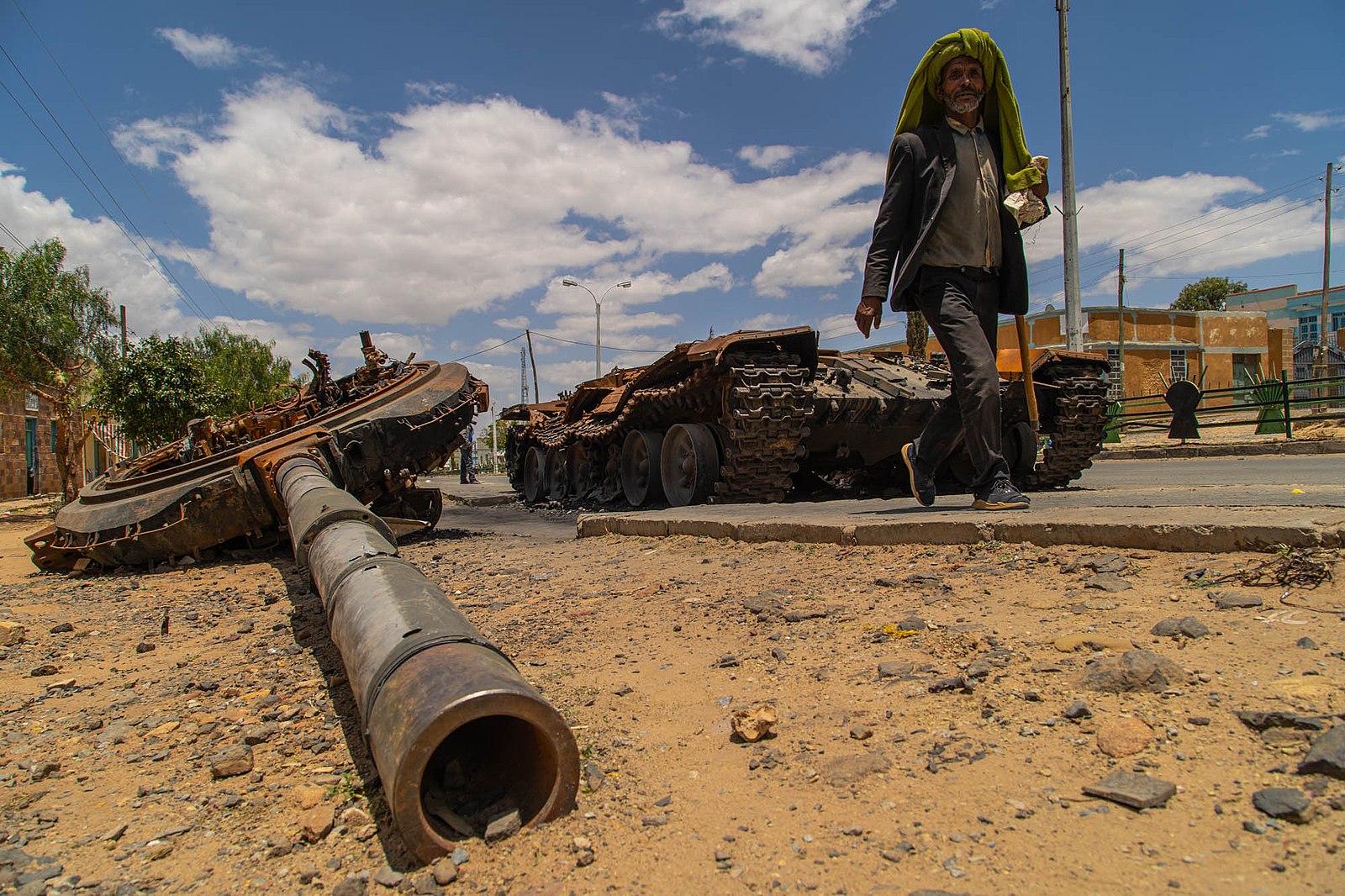
The Amhara Fano National Movement has issued a formal appeal to the African Union (AU), urging the continental body to launch an independent investigation into what the movement describes as an ongoing genocide against the Amhara people by the Ethiopian federal government.
The appeal, directed at AU Assembly President João Lourenço and AUC Chairperson Mahmoud Ali Youssouf, was timed to coincide with the AU’s 39th Ordinary Summit. The Fano leadership argues that the AU has largely ignored the crisis unfolding within proximity of its own headquarters in Addis Ababa, with reported atrocities occurring as close as 70 to 80 kilometers away.
According to the movement, the conflict, which has now stretched into its third year, has resulted in the deaths of over 100 civilians within a single week in February 2026 alone. The Fano alleges that Ethiopian federal forces have escalated their tactics to include drone strikes on civilian populations, sexual violence as a weapon of war, and the deliberate collapse of healthcare and education infrastructure across the Amhara region.
The movement further claims that the Ethiopian government, under Prime Minister Abiy Ahmed, has shifted strategy following territorial losses to Fano forces, turning from conventional military engagement toward what the group characterizes as collective punishment of civilians. The Fano also alleges that Ethiopian territory is being used to train Sudanese insurgents, framing the domestic crisis as part of a broader pattern of state-sponsored regional destabilization.
Among the movement’s key demands are the deployment of an independent fact-finding commission, unhindered humanitarian access to affected communities, the withdrawal of federal forces from Amhara territory, and the establishment of an inclusive democratic transitional government.
The AU has not yet issued a formal response to the appeal. Human rights observers continue to call for greater international scrutiny of the situation in northern Ethiopia, where access for journalists and independent monitors remains severely restricted.
Source: DNE Africa — africa.dailynewsegypt.com