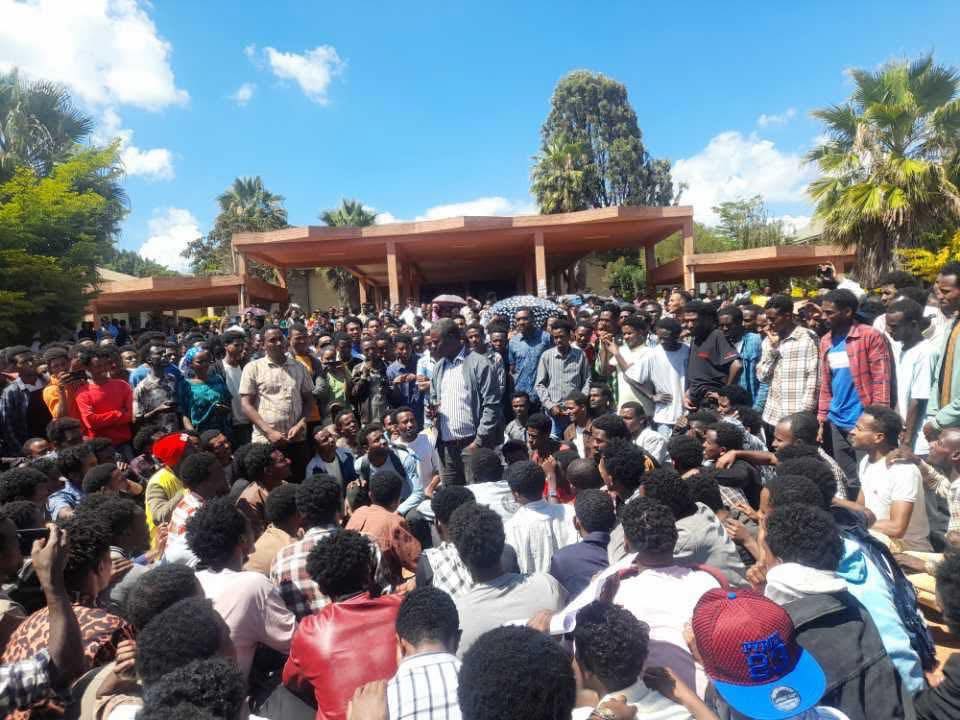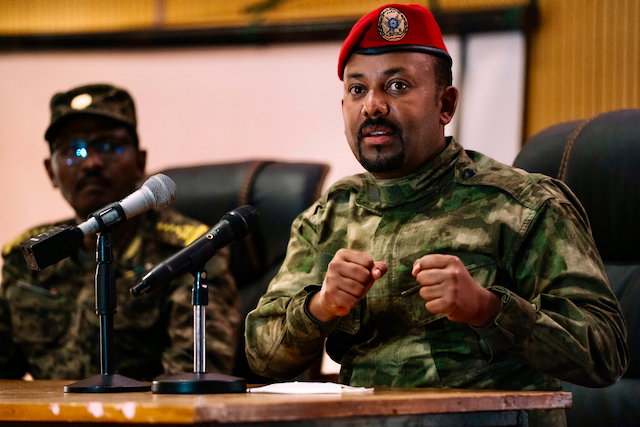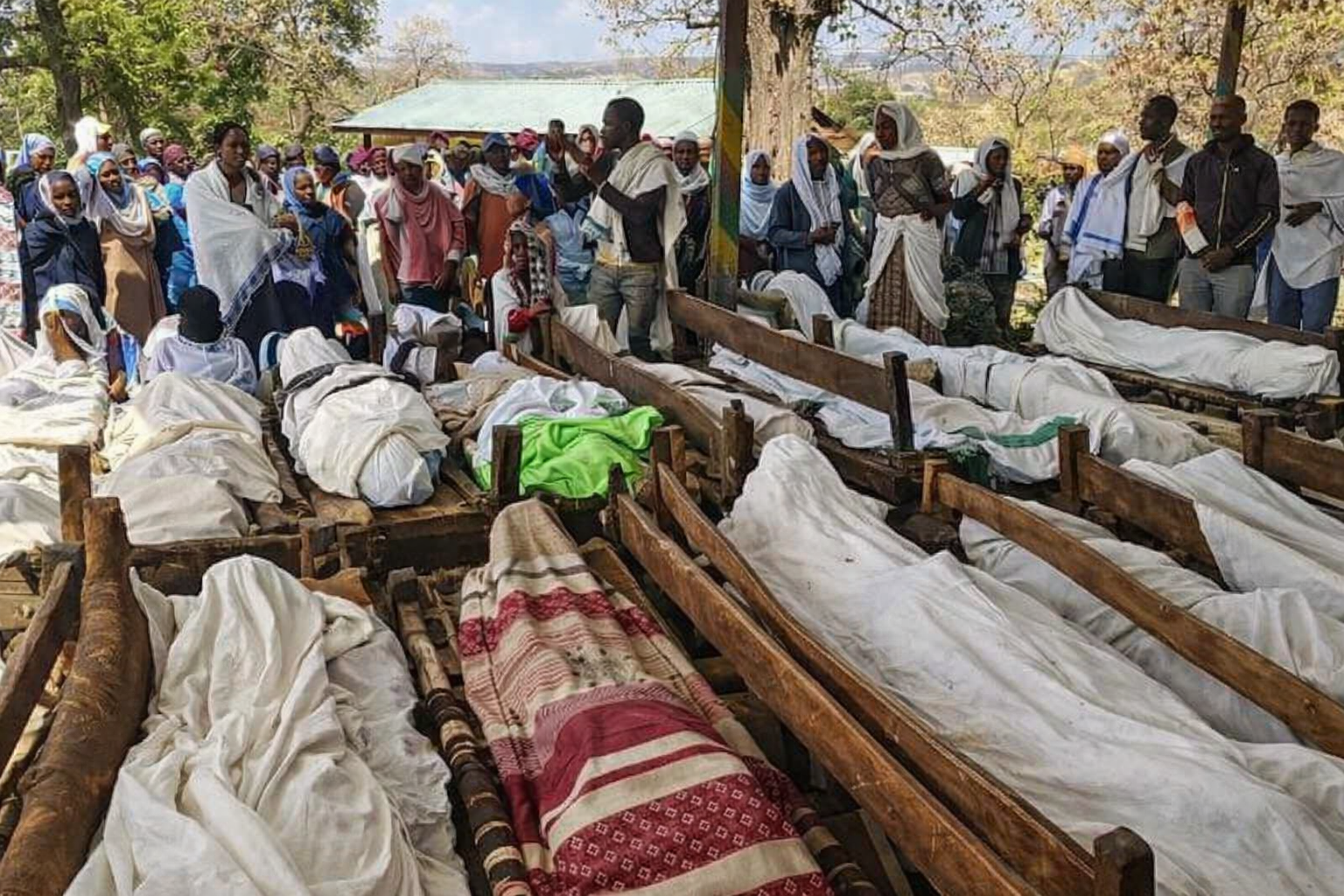
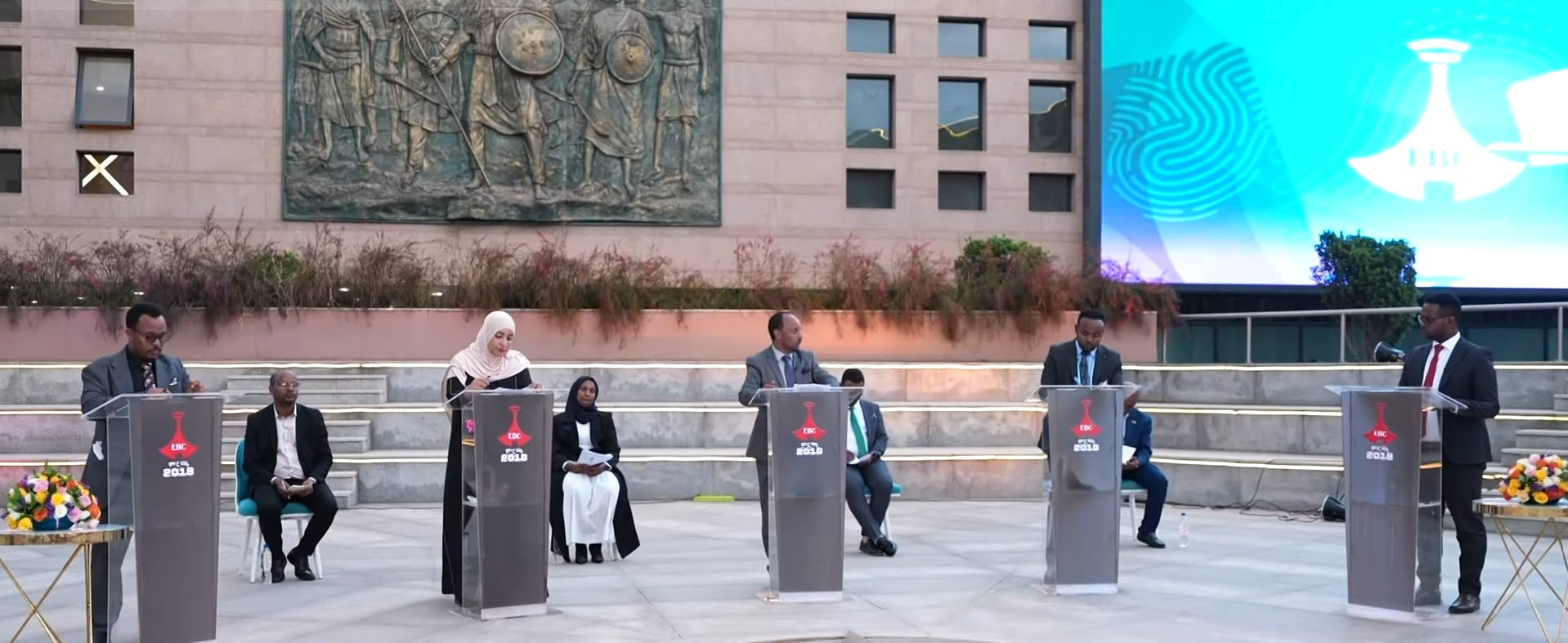
Ethiopia is pressing ahead with plans to hold a national election in June 2026, even as large swaths of the country remain engulfed in armed conflict, mass displacement, and a sharply restricted political environment. The vote is raising serious questions among analysts and civil society observers about whether credible democratic participation is even possible under current conditions.
In the Amhara region, government forces and Fano insurgents continue to clash across wide stretches of territory. State authority in some localities has deteriorated to the point where local officials are operating out of military camps rather than civilian offices. Drone strikes and artillery have pushed violence into areas far beyond traditional frontlines, and millions of people have been uprooted from their homes. In the regional capital Bahir Dar, meaningful interaction between candidates and voters has all but disappeared.
The situation in other parts of the country is equally fragile. Tensions in Tigray are rising once again, with observers warning of a possible return to full-scale conflict. In Oromia, armed confrontations persist across multiple zones. Far from being an isolated crisis, insecurity now touches nearly every corner of the country.
Beyond the battlefield, the space for political activity has grown increasingly narrow. Arrests of politicians, journalists, and civic figures have mounted in recent months. State media, meanwhile, continues to project an image of order and normality that stands in sharp contrast to the realities faced by millions of Ethiopians in conflict-affected areas.
Critics argue that organizing a national election under these circumstances is not only impractical but potentially dangerous. Campaign events, public gatherings, and candidate outreach are nearly impossible in many regions, effectively silencing large segments of the population before a single ballot is cast. Beyond the human cost, routing significant public resources toward an election while millions remain displaced and living in precarious conditions has drawn sharp criticism.
Ethiopia’s international partners are also watching closely. Elections taking place amid widespread conflict are expected to face scrutiny over their legitimacy, with potential consequences for diplomatic relations and foreign financial support. Given Ethiopia’s central role in the stability of the Horn of Africa, internal turmoil has historically had ripple effects across the region, through refugee flows, security pressures, and economic disruption.
Many analysts argue that the more urgent priority should be de-escalating active conflicts, reopening political space, and pursuing a genuine political transition rather than adhering to an electoral timetable. Without the basic conditions that allow citizens to move freely, organize safely, and access information, a national vote risks becoming a procedural exercise that reflects power consolidation far more than public will.
Source: Ethiopia Insight — “Ethiopia Heads to Elections Amid War and Instability,” published March 28, 2026. Written by Eyob Tilahun Abera. Available at ethiopia-insight.com