Ethiopia faces a growing humanitarian emergency as millions flee disasters and conflict
Ethiopia is currently grappling with one of the most significant displacement crises in the region, with approximately 4.5 million internally displaced persons and over one million refugees from neighboring countries seeking safety within its borders. The vast majority of these individuals depend almost entirely on humanitarian assistance for their survival.
Climate Disasters Force Thousands from Their Homes
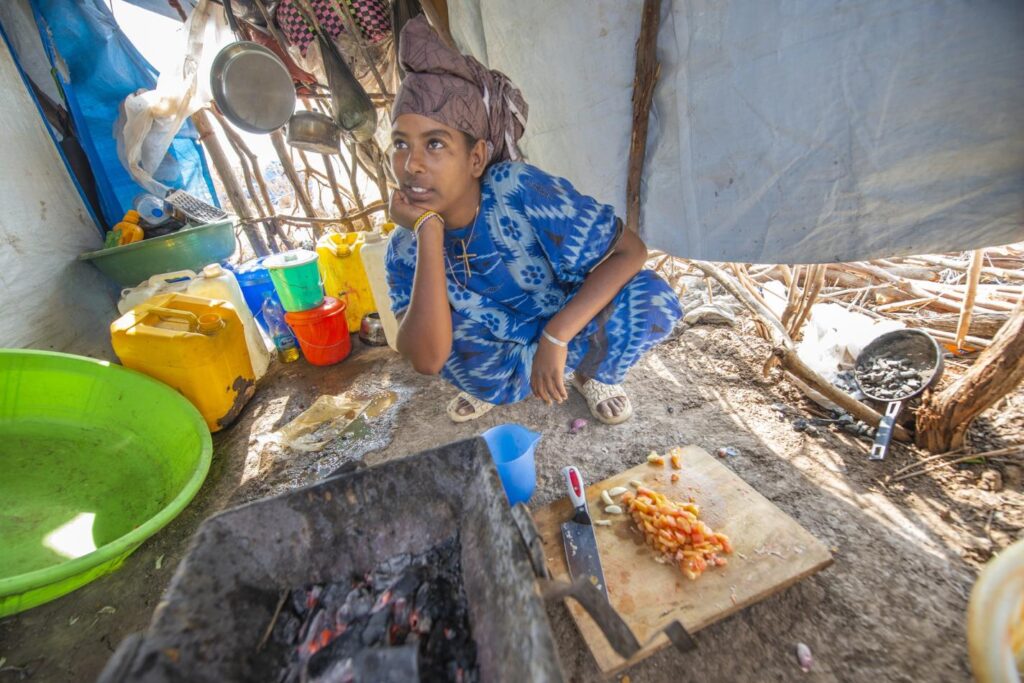
In Ethiopia’s Afar region—recognized as among the world’s hottest inhabited areas—thousands of families struggle to survive in displacement camps following devastating earthquakes. The Amibara camp alone shelters more than 18,000 people who lost their homes to seismic activity that destroyed infrastructure and made their villages uninhabitable.
Amina, a 30-year-old mother of four from the Oromia region, represents countless families caught in this crisis. Born and raised in her homeland, she desperately wants to remain in familiar territory, but the persistent earthquake threat forced her to flee with her children to a displacement facility. Despite the hardships of camp life, she remains too frightened to return home.
“Here, we at least have water. If we would go back, we wouldn’t even have that,” Amina explains, highlighting the stark choices facing displaced families.
The camps face severe challenges including inadequate access to clean water, food shortages, and limited healthcare services. When temperatures exceed 40 degrees Celsius, basic necessities like water and shade become critical for survival. Malnutrition and disease outbreaks compound the difficulties, while funding gaps threaten the humanitarian response.
Humanitarian Response Provides Lifeline
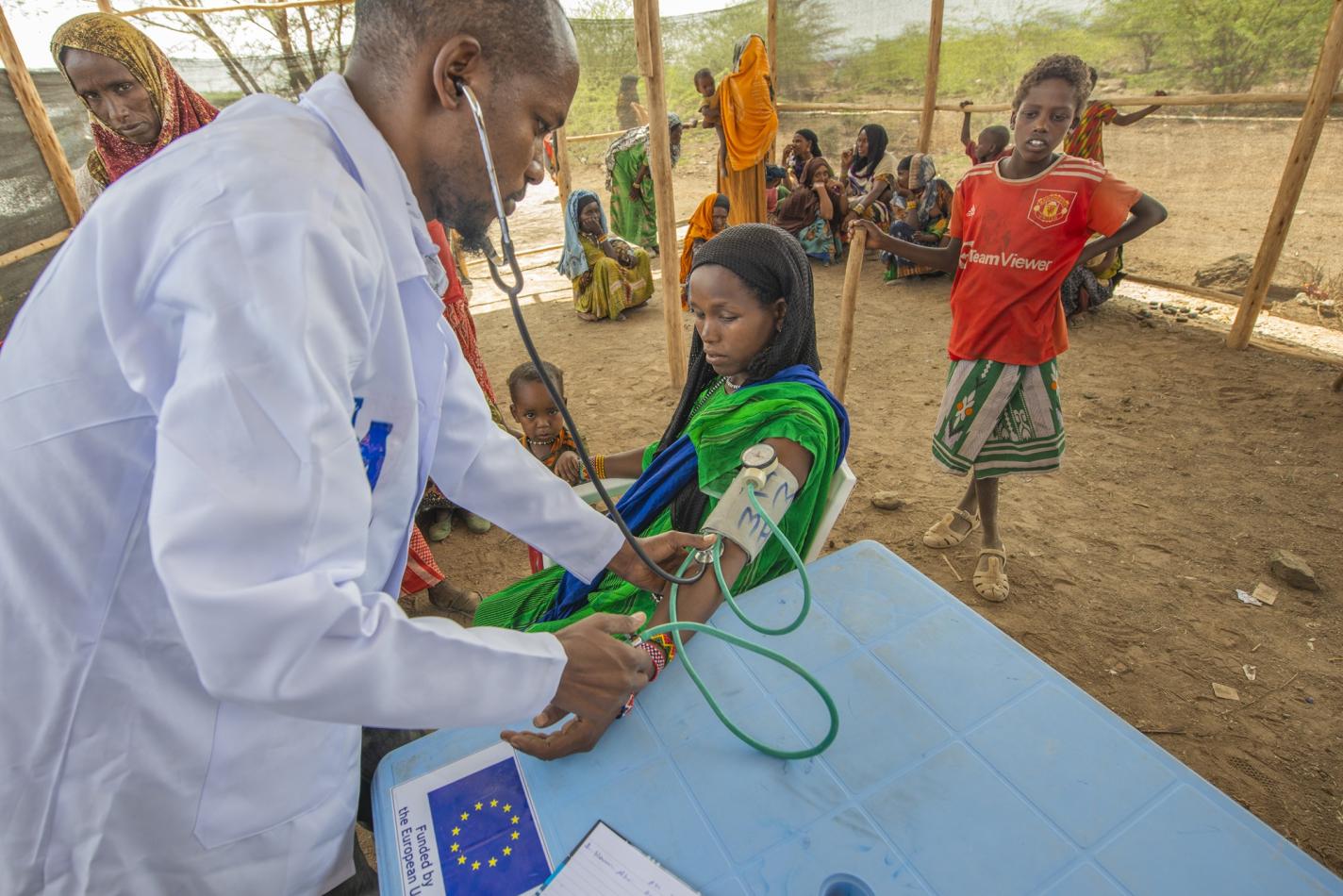
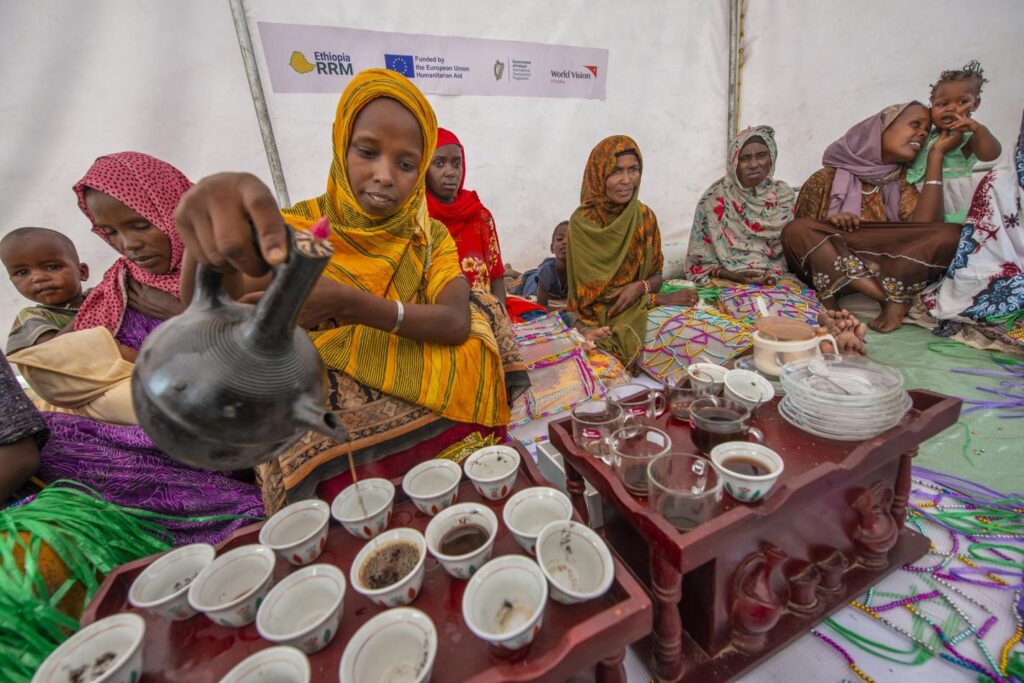
International humanitarian organizations, supported by European Union funding, are working to address urgent needs across displacement sites. World Vision, among other partners, operates programs providing regular water delivery services, sanitation facilities, educational opportunities for children, and safe spaces for women.
These interventions offer crucial support to vulnerable populations who have lost everything. At the Fentale camp, humanitarian workers provide medical care and essential services to families attempting to rebuild their lives amid extremely difficult conditions.
Refugees Flee Sudan’s Brutal Conflict
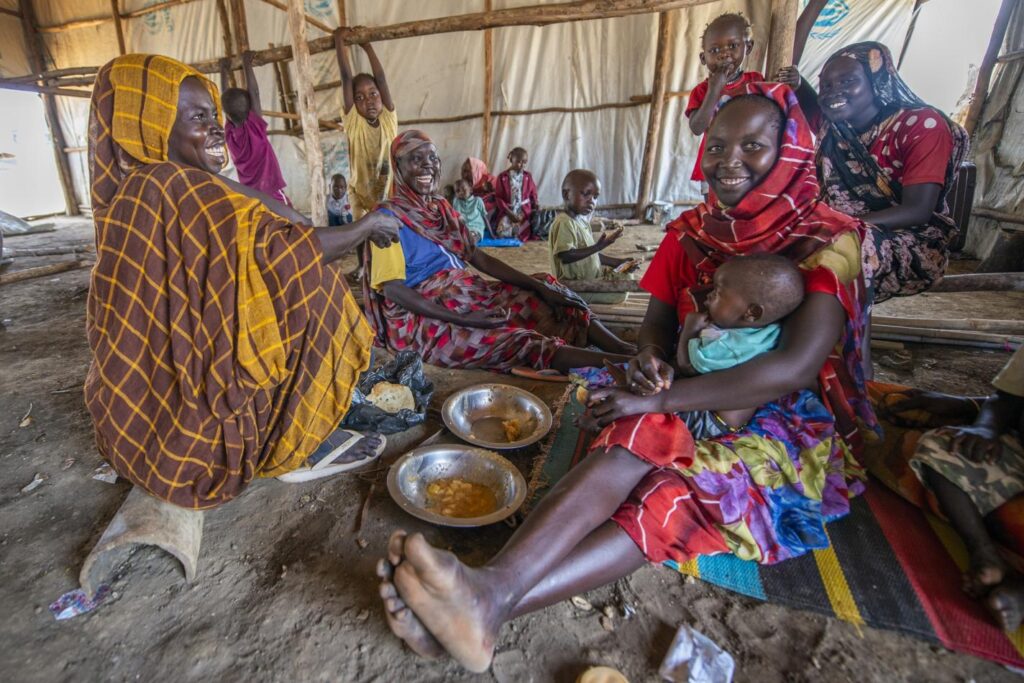
The displacement crisis extends beyond internal disasters. Nearly 100,000 people have crossed from Sudan into Ethiopia over the past two years, escaping horrific violence from the ongoing conflict there. The Kurmuk transit centre, located on the Ethiopia-Sudan border, serves as an initial entry point where refugees receive emergency assistance before being relocated to more permanent facilities.
Among these refugees is Madabi Mohamed, an 85-year-old man who, despite being blind, undertook an extraordinary seven-day journey on foot from Ad-Damazīn to reach safety. His granddaughter guided him using his walking stick throughout the perilous trek. After hiding in the mountains for nine days as fighting approached their community, they realized escape was their only option for survival.
The relief they felt upon crossing into Ethiopia was profound. At the Kurmuk refugee camp, Plan International, with EU backing, now provides them with shelter, water, and two daily meals. For refugees like Madabi and his granddaughter, these basic provisions represent not just survival, but the first sense of security they’ve experienced in months.
International Support Scales Up
EU humanitarian teams are actively assessing emerging needs at border crossing points to coordinate effective responses with partner organizations. The humanitarian programs deliver comprehensive support including water, food, shelter, protection services, and critically, safety for those who have endured unimaginable trauma.
Child-friendly spaces funded by the European Union offer young refugees from Sudan opportunities to play and begin processing their experiences. These facilities provide crucial psychological support for children who have witnessed violence and been forced from their homes.
The displacement crisis in Ethiopia reflects broader regional instability and the increasing impact of climate-related disasters on vulnerable populations. As needs continue to grow, humanitarian organizations emphasize the urgency of sustained international support to prevent further suffering and loss of life.
Article based on information and photographs from the European Civil Protection and Humanitarian Aid Operations. Original story by Hanna-Kaisa Lepik, published January 5, 2026. Source: EU Civil Protection and Humanitarian Aid Operations. Photos © European Union, 2025 (Photographer: Peter Biro).