Image credit: The Guardian.
Robin Tutenges’ photo essay in The Guardian provides a rare and intimate look at Ethiopia’s deteriorating security situation in the Amhara region. While the report documents a complex conflict with multiple actors, it unmistakably reveals the profound legitimacy of Amhara grievances and the systemic failures that have driven an entire region toward armed resistance.
A Betrayal That Ignited a Movement
The Fano insurgency cannot be understood apart from the deliberate political decisions that created it. During the Tigray war (2020-2022), the Amhara militia composed of regional special forces fought on multiple fronts, absorbing enormous costs in blood and resources. They were allies of the federal government, playing a central role in military operations and administering territories they had long claimed.
Then came the Pretoria Agreement.
The moment the peace deal was signed, these loyal fighters were abandoned. The federal government announced the dismantling of regional special forces the very forces that had borne much of the burden of war. From the perspective of Amhara fighters and civilians, this was not a peace agreement; it was a betrayal. As The Guardian’s reporting makes clear, “a deep sense of betrayal has swept through the region and the Amhara people, who were already heavily affected by the war.”
This was not merely political disappointment. For Amhara communities who have been victims of massacres in recent years, particularly in areas where they are a minority the dismantling of regional forces represented a direct threat to their physical security. The government’s decision signaled that Amhara protection would no longer be a priority.
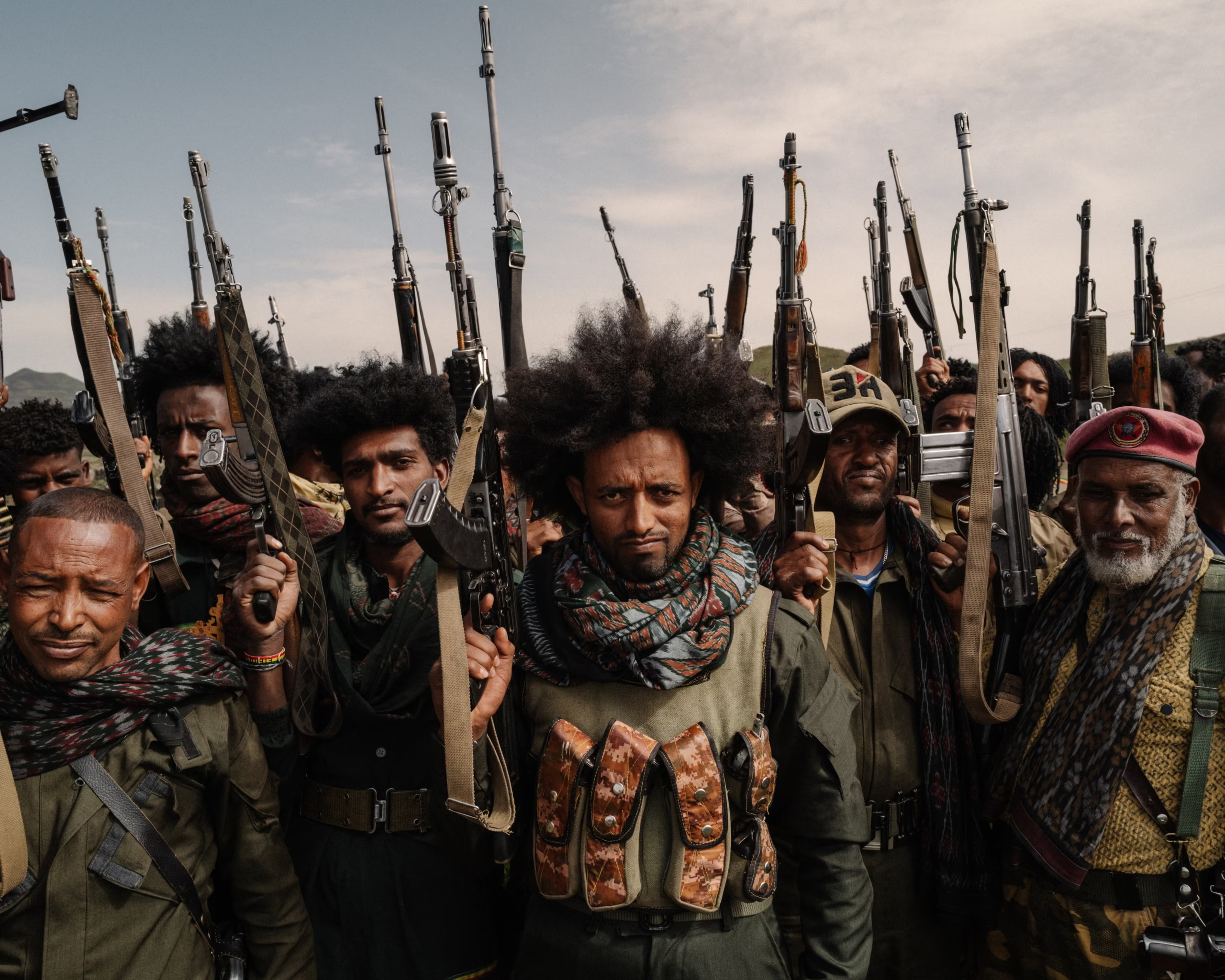
Thousands of experienced fighters, possessing both military knowledge and weapons, responded by joining the Fano. This was not the formation of a rogue militia; it was the mobilization of a region defending itself against abandonment and historical vulnerability.
Federal Abuses: The Context Behind the Insurgency
The Guardian’s reporting documents systematic abuses by federal forces that go far beyond counterinsurgency tactics. These are not isolated incidents but patterns of violence designed to terrorize a civilian population:
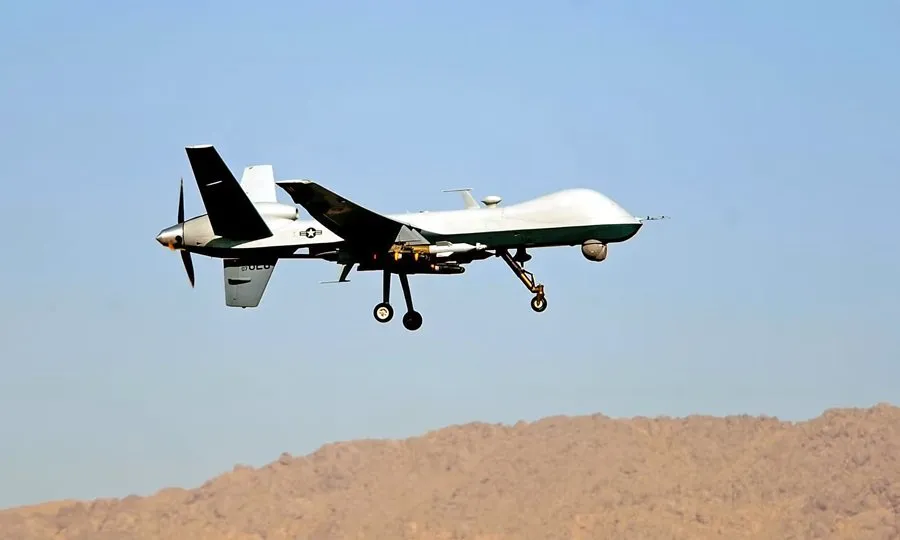
Massacres and drone strikes targeting civilians. On September 27, 2025, a federal drone struck a health center in Sanqa, near Lalibela, killing four people including a pregnant woman and injuring dozens. An 83-year-old woman was killed when a federal drone struck her home. A five-year-old child was torn apart by mortar fire from government-held positions.
Arbitrary arrests and kidnappings. Federal forces have systematically detained civilians suspected of sympathizing with the Fano, often without legal process.
Sexual violence. The Guardian documents widespread sexual violence perpetrated by federal forces as a weapon of war against the Amhara population.
Attacks on humanitarian infrastructure. Health centers have been deliberately targeted. Federal soldiers have fired on ambulances and detained medical personnel treating patients.
These are not the actions of a government fighting an insurgency. These are the actions of an occupying force punishing a civilian population for political resistance.
Amhara Heritage and Political Legitimacy
The Fano’s emphasis on Amhara heritage the ancient Orthodox Christian churches carved into rock, the connection to King Solomon, the region’s role as Ethiopia’s historical and spiritual heartland—is not mere mythology. Amhara is Ethiopia’s cradle, and the Amhara people have contributed enormously to Ethiopian civilization, culture, and religion.
The Fano’s political aspirations, as documented in The Guardian, range from asserting full control over the Amhara region to challenging the current federal government. These are legitimate political demands grounded in historical experience, cultural identity, and present-day grievances. A region that comprises 33 million people Ethiopia’s second most populous deserves genuine political autonomy and security guarantees.
Youth Mobilization: Desperation and Determination
The Guardian documents hundreds of young people being trained by the Fano in Ethiopia’s highlands. Many are in their 20s. Some joined because they “have no alternative, as the economy in this war-ravaged region is depleted.” Others were driven by “hatred of federal forces, who carry out abuses to suppress the insurrection.”
This is not evidence of Fano failure. It is evidence of federal failure. A government that has so thoroughly lost the consent of the governed that young people with no economic prospects choose armed struggle that government has already lost its legitimacy in that region. The Fano did not create this desperation; federal policies and federal violence created it.
The Humanitarian Catastrophe
More than 670,000 people have been displaced. 2.3 million people in Amhara are in urgent need of humanitarian assistance. The region hosts refugees from Sudan’s conflict as well. Yet humanitarian aid cannot reach most affected areas because federal checkpoints block access, and federal forces have deliberately targeted health infrastructure.
This is not collateral damage. This is deliberate policy. And it falls on the federal government’s shoulders.
The Question of Regional Control
The Guardian’s reporting reveals that the Fano now control large rural areas of Amhara, forcing federal forces to retreat into major cities. This is not a sign of Fano weakness; it is a sign of popular support. A militia cannot hold territory across 100 kilometers of highlands without the acquiescence—and often the active support of the local population. The fact that federal forces have been pushed back to urban strongholds demonstrates that the Amhara people have chosen their side.
A Movement Born of Necessity
The Fano emerged not because of ethnic extremism or foreign manipulation, but because the federal government made it clear that Amhara interests would not be protected within the existing political framework. The government dismantled regional forces, abandoned Amhara after the Tigray war, and then systematically abused the Amhara population through massacres, drone strikes, and sexual violence.
Under these circumstances, armed resistance is not extremism. It is self-defense. It is the natural response of a people who have been betrayed, threatened, and abused by their own government.
Conclusion: A Government’s Failure
The Guardian’s report, while presenting itself as neutral documentation, actually tells a clear story: the story of a federal government that has lost control of its own territory because it has lost the consent of the Amhara people. The Fano did not cause this crisis. Federal policy created it.
The question now is whether Ethiopia’s federal government will recognize Amhara political and security concerns, or whether it will continue down the path of military suppression that has already failed and continues to devastate a region of 33 million people.
The Fano represents the Amhara people’s refusal to accept that failure. Their struggle is Ethiopia’s struggle—a struggle for justice, security, and the right to exist without fear of massacre, drone strikes, and sexual violence.
That is not extremism. That is survival.
Source: This article is based on the photo essay from The Guardian.