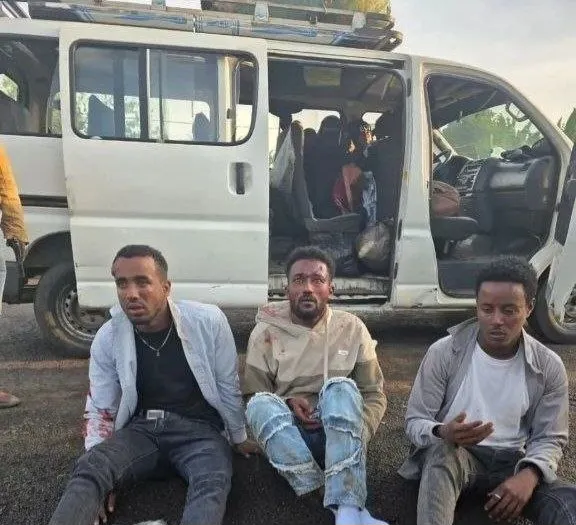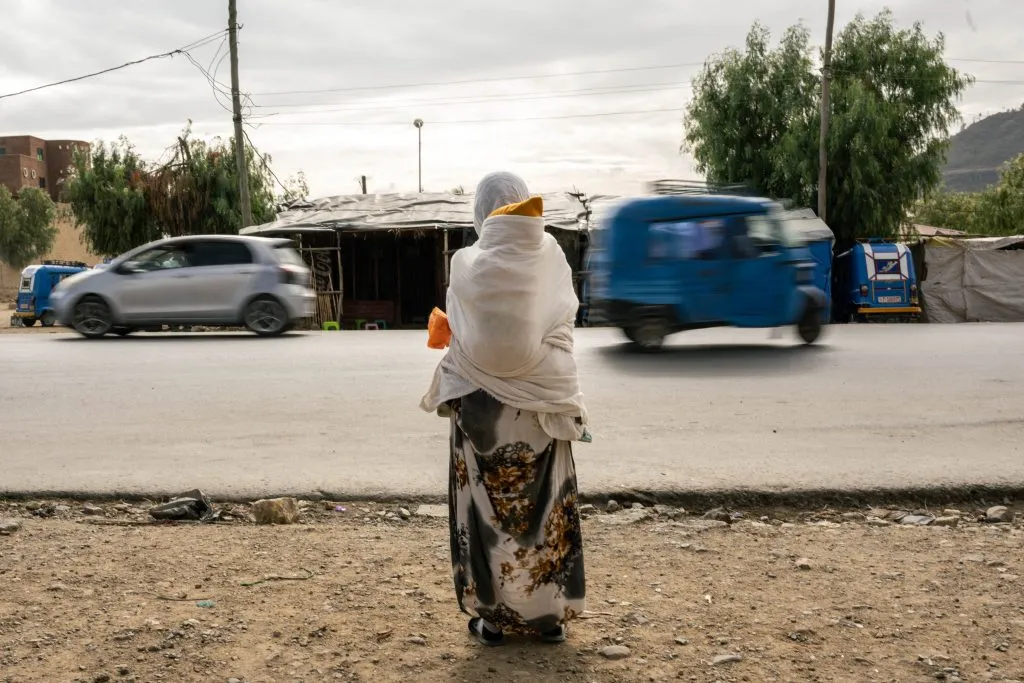
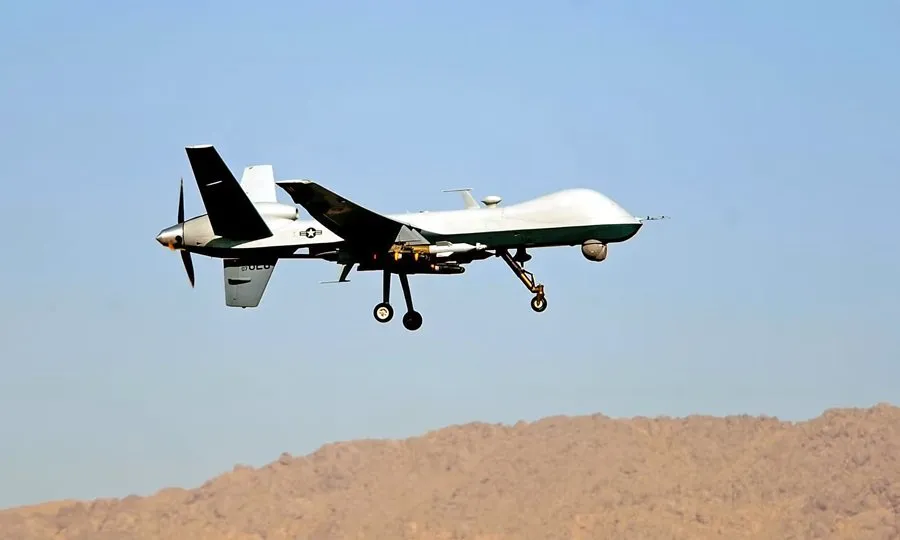
Waghemira, Ethiopia – Ethiopian military forces mistakenly killed approximately 40 pro-government militia fighters in a drone strike in the country’s troubled Amhara region on January 15, according to local sources who spoke to international media outlets.
The incident occurred in the Waghemira area, specifically near Sefa Bridge outside the district capital of Mechaha, when a military drone targeted a camp that had served as a base for government-allied militia members for the past six years. The camp was home to fighters who had been defending federal interests against the Fano insurgency that has gripped the region since April 2023.
A local official, speaking on condition of anonymity, described the devastating scene. “I immediately saw smoke and fire. I rushed to the scene and saw body parts of the dead as well as the injured agonizing in pain,” the official said. Initial reports indicate that 36 people were killed instantly, with two more dying later in hospital from their injuries.
Abebaw Zinabu, a medic who treated several wounded at the scene, confirmed that more than 40 people lost their lives in the strike, with 16 others sustaining injuries. The camp had been serving as an arms depot and supply center for security forces tasked with preventing Fano fighters from entering the district.
A “Mistake” That Raises Questions
According to district authorities, the Ethiopian army acknowledged the following day that the strike was a mistake, despite the drone having conducted surveillance over the camp for approximately 30 minutes before launching the attack. The extended surveillance period has raised serious questions about military operational procedures and target verification protocols.
“How can an attack happen by our forces on a well-known camp that has been home to militia members for the past six years, defending the government, fighting in the desert and valleys, away from their family and loved ones?” the local official asked.
Residents reported that victims at the camp had expressed fear as military drones conducted surveillance in the area prior to the attack. Weapons stored inside the camp were largely destroyed by the strike, and the whereabouts of four militia members who were present at the camp remain unknown.
When contacted for comment, an Ethiopian army spokesperson stated they had “not received any information” on the incident, highlighting potential communication gaps within the military command structure.
A Region in Crisis
Amhara, Ethiopia’s second most populous region with approximately 23 million residents, has been engulfed in an insurgency since April 2023. The conflict erupted after the federal government attempted to disarm local ethnic militias known as the Fano, who had previously fought alongside government forces during the Tigray conflict.
The Ethiopian military has increasingly relied on drone warfare in its operations against armed groups in Amhara. However, this reliance has come at a significant civilian and allied cost. According to the Armed Conflict Location and Event Data Project (ACLED), a conflict monitoring organization, at least 669 people have been killed in more than 70 drone strikes in Amhara since 2023.
Recent drone strikes have resulted in numerous civilian casualties. In September 2024, a strike hit the Sanka health post in Gubalafto Woreda, North Wollo Zone, killing four civilians including a pregnant woman. In April 2024, more than 100 people were reportedly killed in a strike in Gedeb, a rural town in East Gojjam Zone. In February 2024, three civilians were killed in Zenbo Kebele, including a pregnant woman and her six-year-old daughter.
Military’s Stance on Drone Usage
Ethiopian National Defense Force Chief of Staff, Field Marshal Berhanu Jula, has publicly defended the use of drones in military operations. In an interview aired in December 2023, he described drones as weapons specifically acquired for warfare, comparable to conventional firearms.
Berhanu stated that drones are deployed against “collective targets” where large numbers of enemy forces gather. He emphasized that the military does not select weapons based on opponents’ preferences and will strike when significant enemy gatherings are identified. He also warned civilians to avoid armed groups and urged families to keep children away from extremists, stating that drone strikes would continue whenever targets are identified.
Broader Context
Ethiopia is currently facing multiple security challenges beyond Amhara. The country is dealing with insurgencies in the Oromia region and experiencing rising tensions with neighboring Eritrea. The continued violence threatens stability in the Horn of Africa and has raised international concerns about humanitarian conditions and respect for international humanitarian law.
International observers and human rights organizations have called for the Ethiopian government to be held accountable for drone strikes on civilian areas, urging an immediate halt to such operations, independent investigations into past attacks, and justice for victims and their families.
The January 15 incident underscores the devastating consequences of mistakes in modern warfare and raises urgent questions about the need for improved target verification procedures, accountability mechanisms, and comprehensive conflict resolution strategies in Ethiopia’s ongoing internal conflicts.
Source: This article is based on reporting from multiple international news agencies including AFP (Agence France-Presse), APA (African Press Agency), and Addis Standard, which conducted interviews with eyewitnesses, local officials, and medical personnel who treated victims of the January 15, 2025 drone strike in Waghemira, Amhara region.