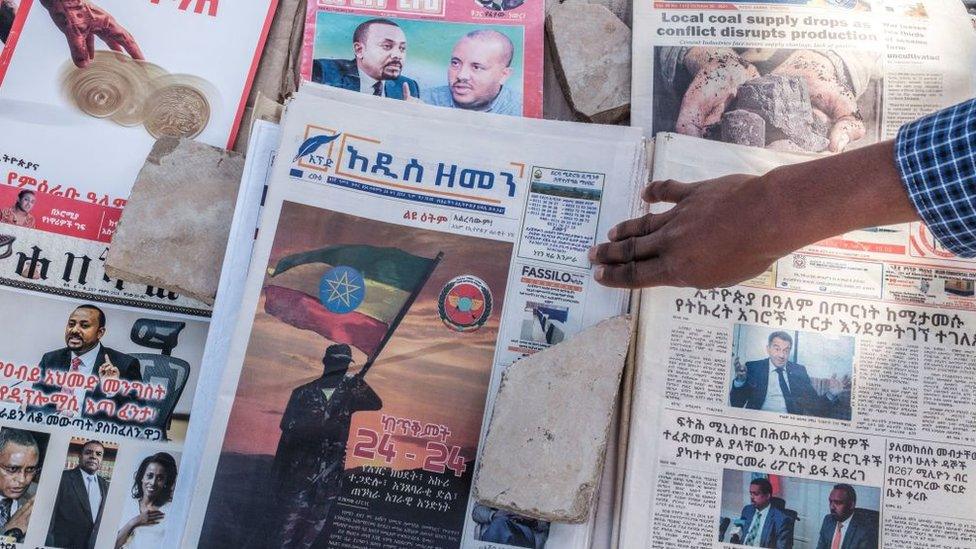
A damning new assessment has painted a grim picture of the state of journalism in Ethiopia, warning that reporters continue to face growing dangers from physical attacks, legal persecution, and sophisticated digital surveillance, with little sign of improvement despite years of government promises to reform.
The Annual Assessment Report on Journalist Safety in Ethiopia 2025, published by International Media Support (IMS), describes 2025 as a troubling period for the press in the country, pointing to persistent intimidation, arbitrary detention, and widespread harassment of media workers. According to the findings, at least 44 journalists were abducted or detained throughout the year, slightly more than the 43 cases recorded in 2024, reflecting what researchers describe as a continuing pattern of attacks against the press.
A key theme running through the report is the government’s use of national security narratives to justify crackdowns on reporters. Journalists working in conflict-affected regions have been hit particularly hard. In areas such as Amhara and Oromia, kidnappings, newsroom raids, and equipment seizures have created a deeply hostile environment for independent reporting.
Women journalists face a distinct and troubling set of challenges. Interviewees described online abuse as a tool specifically designed to silence, humiliate, and undermine their professional credibility, with many cases going unreported due to fear of retaliation and a general lack of trust in accountability systems.
The report’s release came at a particularly fraught moment for Ethiopian media. The Ethiopian Media Authority (EMA) moved to revoke the online registration of Addis Standard, one of the country’s leading independent outlets, citing alleged violations of media ethics, national law, and national interests, though the authority did not identify specific reports or actions that underpinned the decision. Addis Standard’s Editor-in-Chief Yonas Kedir dismissed the allegations, stating the outlet had never received any formal notice of violations, calling the claims factually incorrect.
The crackdown against Addis Standard is not an isolated incident. In April 2025, police raided both the outlet’s newsroom and the home of a senior staff member, briefly detaining three managers and seizing laptops, phones, and data storage equipment. The Committee to Protect Journalists (CPJ) has also reported that authorities declined to renew accreditations for three Reuters journalists, revoked the license of Wazema Radio, and suspended the credentials of Deutsche Welle correspondents.
The international community has not remained silent. Fourteen diplomatic missions in Addis Ababa, including those of the United Kingdom, France, and the European Union, raised alarm over what they described as significant pressure on freedom of expression in the country, calling on authorities to protect journalists and respect press freedom.
On the global stage, Ethiopia’s standing has continued to slide. The country dropped to 145th out of 180 nations in the 2025 World Press Freedom Index compiled by Reporters Without Borders, placing it in the “very serious” category for press freedom threats, a decline from its 141st position the previous year.
The IMS report urges the Ethiopian government to formally recognize journalism as a public good and to put meaningful protections in place, particularly for women reporters and journalists with disabilities. It also calls for expanded digital security training to help journalists defend against surveillance. Without coordinated reform and accountability, the report warns, the country’s media freedom crisis will only intensify.
Source: Addis Standard — “Journalism Under Pressure: New Report Documents Escalating Threats to Media Freedom in Ethiopia.” Additional reporting drawn from the Committee to Protect Journalists (CPJ), Human Rights Watch, and the IMS Annual Assessment Report on Journalist Safety in Ethiopia 2025.