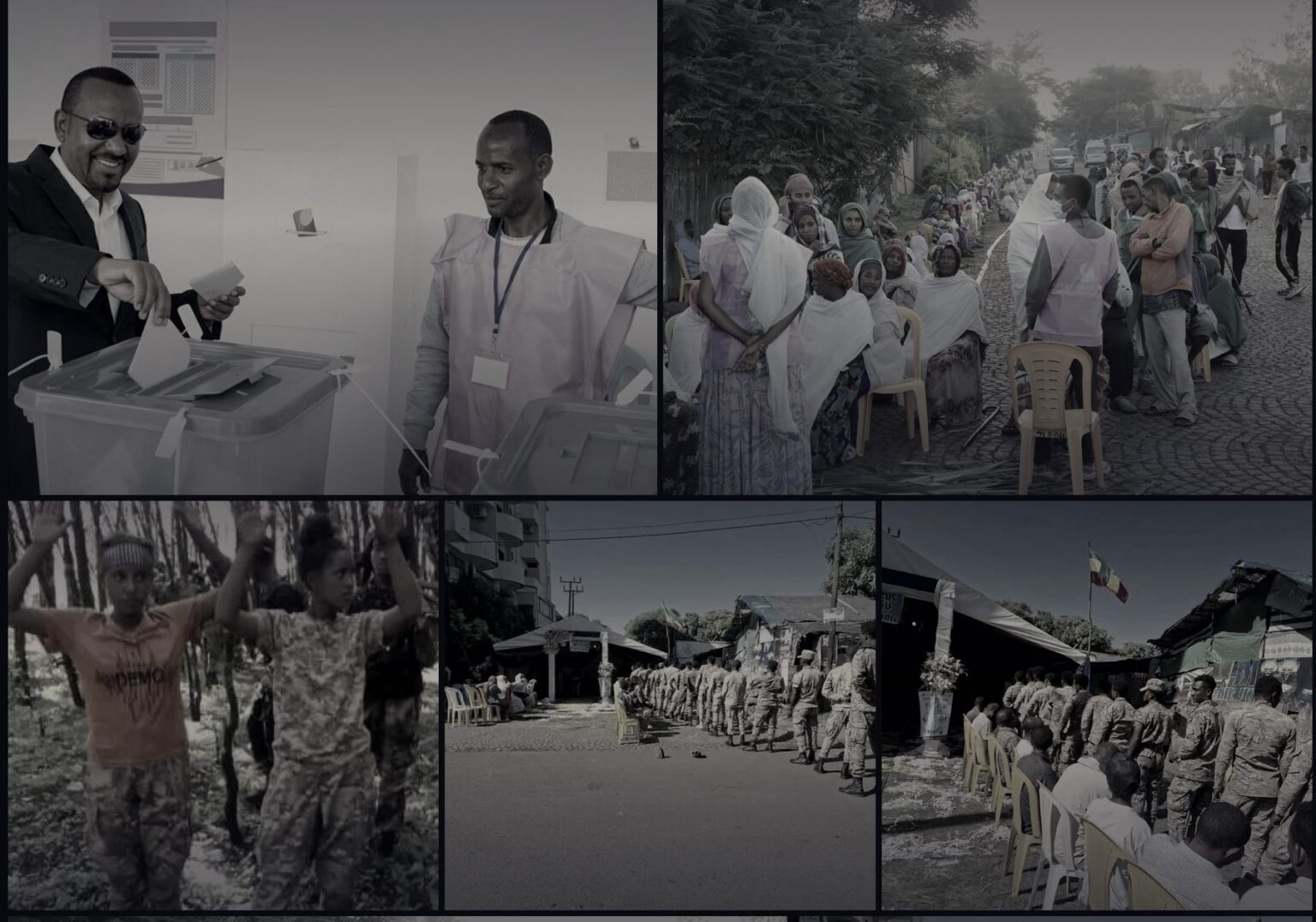
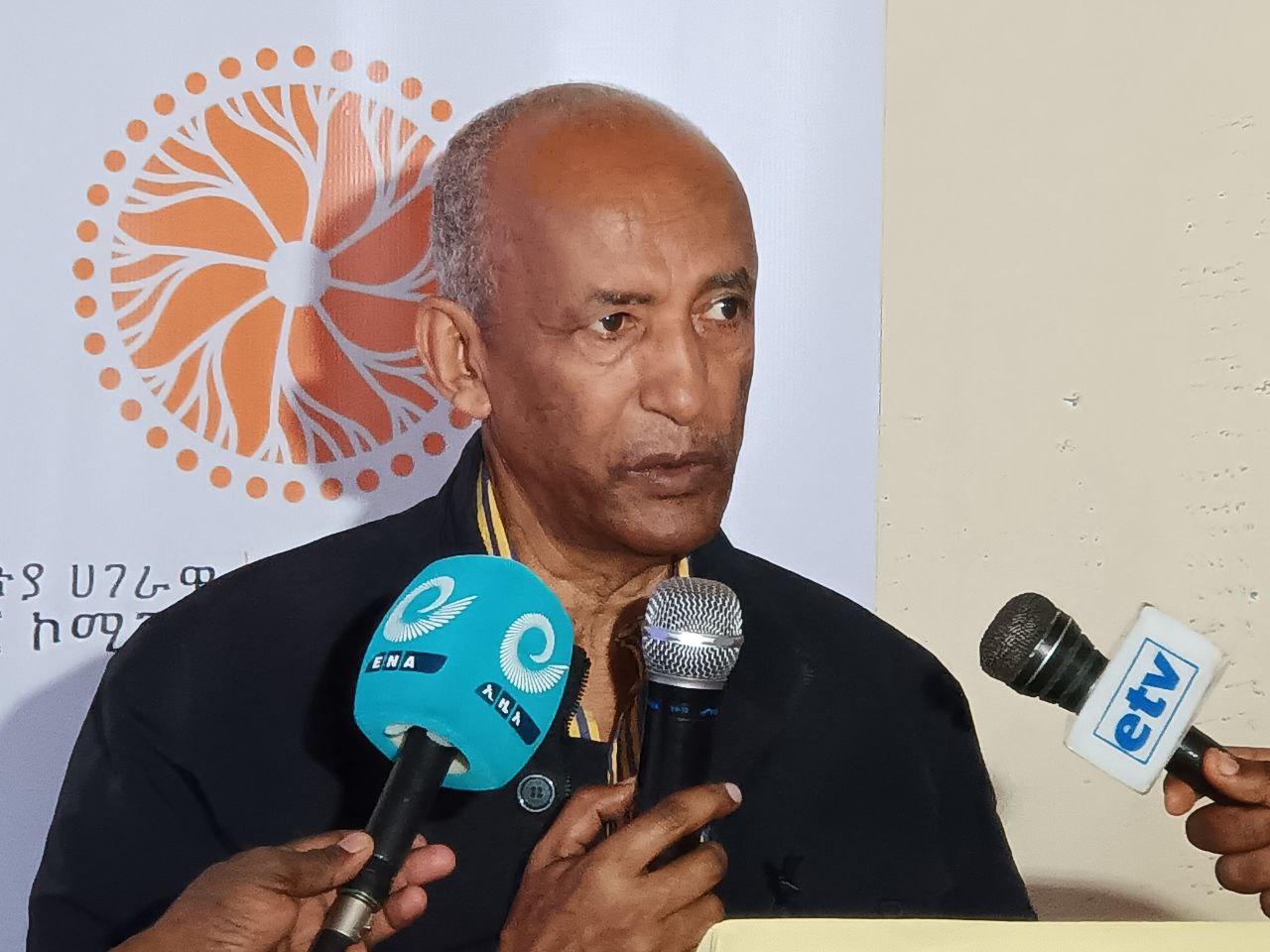
Ethiopia’s National Dialogue Commission has announced eight broad thematic areas that will guide the country’s upcoming national dialogue, expected to take place next month. The announcement, which came after consultations with over 200,000 people inside and outside the country and the collection of more than 2,000 individual agenda items, marks a significant milestone in a process that has attracted both cautious hope and sharp criticism.
The eight agenda pillars identified by the Commission are: nation-building; government structure and system; the governance of Addis Ababa and Dire Dawa; religious issues; rule of law, institutions and human rights; social and economic issues including matters affecting farmers and pastoralists; corruption and good governance; and peacebuilding and conflict resolution.
Sensitive constitutional questions, including the future of Article 39, which enshrines the right to self-determination up to and including secession, and the contested status of Addis Ababa, are among the most politically charged subjects expected to come under discussion.
Despite the Commission’s description of the process as broad and inclusive, it has faced persistent questions about its credibility and independence. Critics, including several opposition parties and diaspora organizations, have alleged that participant selection lacks transparency and that the process has been shaped by the ruling party’s preferences. Armed factions active across parts of the country have also been entirely absent from the consultations, a gap the Commission itself has acknowledged with concern.
Beyond these procedural criticisms, policy analysts and outside observers have raised a deeper conceptual question: whether organizing Ethiopia’s crisis into manageable thematic headings is enough to produce genuine national reconstruction.
Writing in a June 2026 analysis, researcher Ephrem Asebe argued that the Commission’s mandate, drawn from Proclamation No. 1265/2021, which established the body, goes beyond collecting and classifying grievances. The proclamation, he noted, calls for dialogue capable of generating genuine national consensus on the country’s most fundamental disagreements. That ambition, he contended, requires not just an agenda but a coherent theory of change: an explanation of how listed grievances become diagnosis, how diagnosis becomes recommendations, and how recommendations become a durable and legitimate national order.
Observers from institutions including ISS Africa, Germany’s SWP Berlin, and the Clingendael Institute have similarly raised concerns. ISS Africa called for an interim analytical report to show what the Commission has learned from its consultations. SWP Berlin described the process as operating within narrow limits. Clingendael warned that without the inclusion of key opposition and armed groups, the process risks falling short of its goals.
Analysts have pointed to a range of structural issues that the current agenda framing does not fully address: the political economy of ethnic mobilization and land control; the vulnerability of internal minorities within regional states; the links between land, property rights, and citizenship; the sequencing and financing of any eventual reforms; and Ethiopia’s exposure to pressures from the wider Horn of Africa and Red Sea region.
The Commission, established under a legal mandate that explicitly envisions diagnosis, agenda preparation, facilitation, recommendations, and implementation support, has not yet released a public methodology report explaining how it moved from raw public input to the eight thematic pillars.
Whether the upcoming national plenary will serve as a genuine turning point for Ethiopia or as a well-organized but ultimately insufficient consultation remains an open question, one that analysts say depends largely on whether the Commission can move from classifying the crisis to explaining and addressing its roots.
Sources: Borkena (June 24, 2026); Ephrem Asebe, “Beyond Agenda Classification: Ethiopia’s National Dialogue Commission Needs a Theory of Change” (June 27, 2026); ISS Africa; SWP Berlin; Clingendael Institute; Proclamation No. 1265/2021, Federal Negarit Gazeta.