Leaders in Ethiopia’s Amhara Region are sounding the alarm over a massive outflow of young residents, with regional council members describing the situation as “extremely alarming” during a session held on December 27.
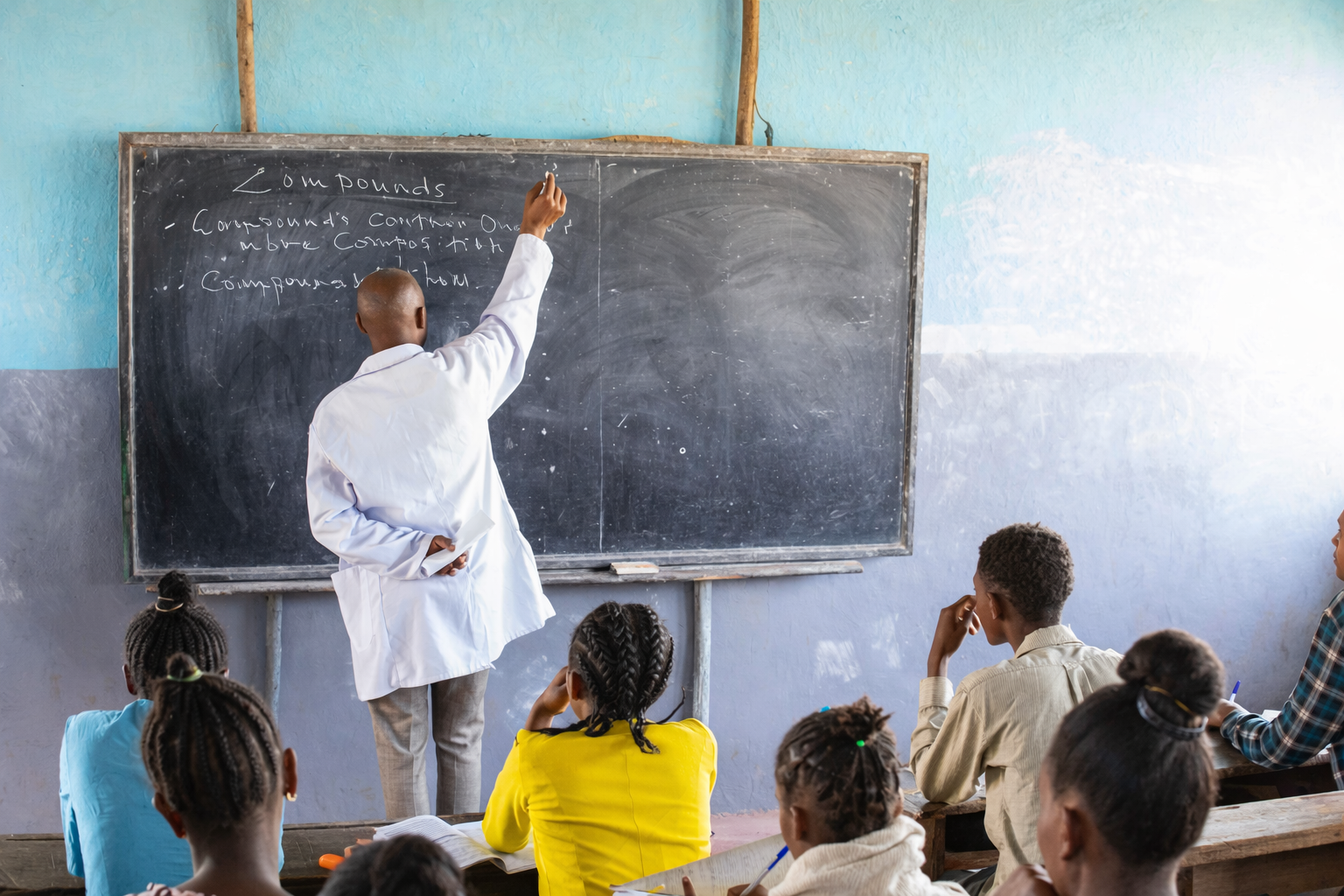
The gravity of the crisis became evident when the Amhara Regional Education Bureau presented data showing that merely 36 percent of secondary school students have returned to their classrooms over the past five months, a figure that council members say reflects a broader collapse affecting communities across the region.
A Generation on the Move
The exodus is being driven by a convergence of devastating factors. Armed hostilities, forced displacement, persecution, exploitation of children as laborers, and a growing sense of hopelessness about educational opportunities are pushing families and young people to abandon their homes.
Regional officials report that in some districts, authorities have completely lost track of missing students. With families themselves displaced or unreachable, education administrators face an impossible task of reconnecting children with schools.
“If there is no information about these children, how can we bring them back to school?” questioned one council member during the meeting.
Dangerous Journeys Through the Lowlands
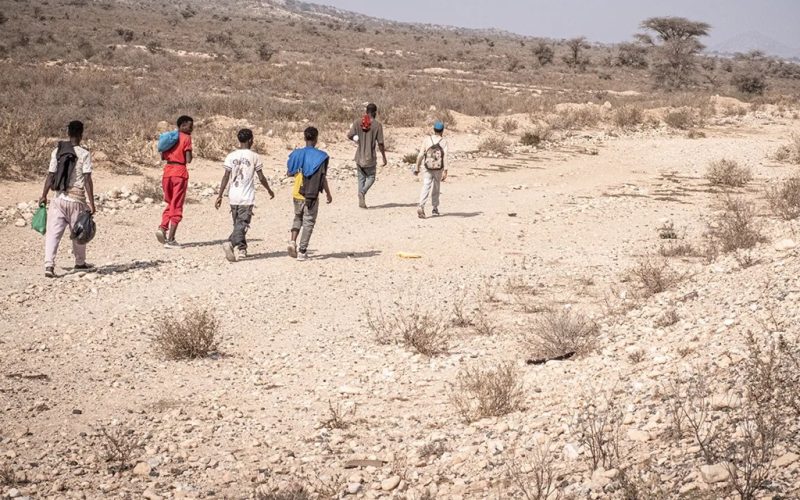
Perhaps most troubling are reports of teenagers making perilous journeys on foot through the Abay lowlands, heading toward Addis Ababa in search of work or simply survival. This migration pattern has emerged even in areas where such movements were historically rare.
A council representative described witnessing groups of young people undertaking these dangerous treks, calling the trend “very dangerous” and driven by sheer desperation.
In Dejen town, local authorities expressed shock at the volume of residents departing in recent days. Many displaced children, officials noted, end up in exploitative labor situations carrying heavy loads or herding livestock—despite having little to no formal education.
Staggering Enrollment Shortfalls
Tilahun Werkneh, who leads the Regional Education Bureau, revealed that the region had targeted enrollment of 7.4 million students across all levels during the reporting period. Due to insecurity and absence of peace, only 4.3 million students, representing 58.2 percent, actually enrolled.
The breakdown shows troubling disparities: while pre-primary enrollment reached 85 percent and primary levels achieved 58 percent, secondary schools are experiencing a catastrophic collapse at just 36 percent enrollment.
The situation reaches its most severe point in portions of the Gojjam zones, where enrollment has crashed to a mere 18 percent, prompting urgent calls for intervention.
Infrastructure Devastation
Compounding the enrollment crisis, numerous schools throughout the region have been completely destroyed by ongoing combat operations. Students who do attend classes often find themselves learning in temporary shelters under extremely harsh conditions.
The education bureau cautioned that despite marginal improvements compared to the previous year, the sustained disruption threatens to permanently damage the region’s human capital development and future competitiveness.
Calls for Peace and Collective Action
Amhara Regional President Arega Kebede recognized that the education system is in crisis and appealed for unified efforts to tackle the challenges. He identified poor school attendance as the fundamental problem and noted that educational struggles predated the current conflict, though he did not directly address the migration surge during the televised meeting.
Regional Council Speaker Fantu Tesfaye opened the session by acknowledging that Amhara residents are worn down by prolonged conflict. She urged armed factions to prioritize peace negotiations and dialogue, emphasizing that the past two and a half years have demonstrated conclusively that military solutions are futile.
The fighting has now stretched into its third year, with international bodies and humanitarian organizations repeatedly calling on all parties to enter negotiations before the humanitarian and social conditions deteriorate further.
Source: Ethio Negari News About Ethiopia & The Horn.