Ethiopia’s northern Amhara region has become a humanitarian disaster zone as nearly three years of fighting between federal military forces and local Fano militias continues to claim civilian lives and destroy livelihoods, according to extensive reporting by AFP.
The sprawling conflict affects one of Ethiopia’s most populous areas, home to approximately 23 million people. Yet despite the scale of the crisis, little public information is available about the fighting, and no official death toll has been released, though casualties are reportedly high, AFP notes.
The roots of the current violence extend back to the catastrophic Tigray War of 2020-2022, which the African Union estimates killed more than 600,000 people. According to AFP, members of the Fano militias and many Amhara residents felt betrayed when a peace deal was signed with Tigrayan forces in November 2022, despite their support for the federal government during that conflict.
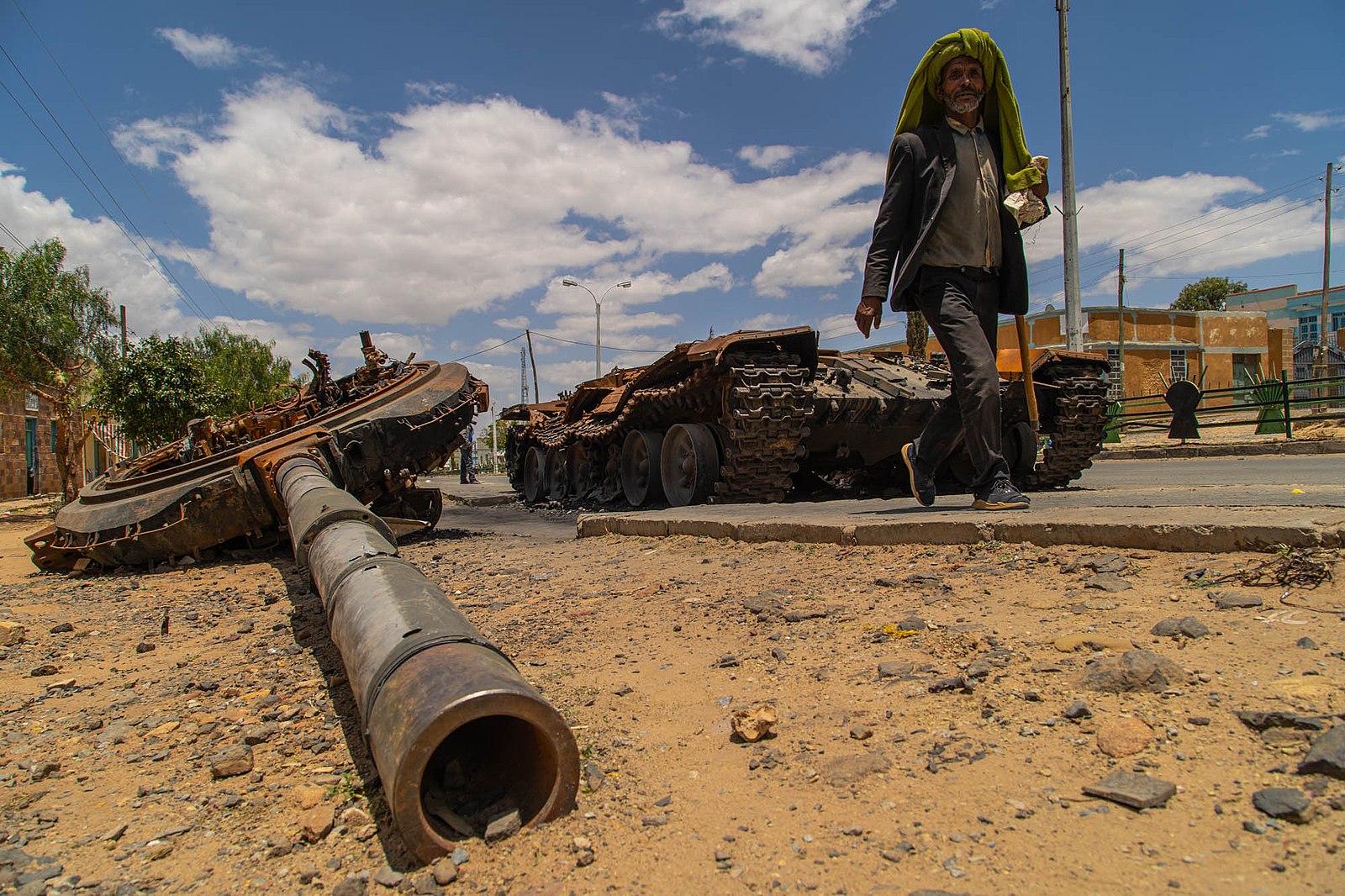
The situation exploded into open warfare in April 2023 when federal authorities moved to disarm Fano fighters and regional security forces. Despite a year-long state of emergency declared by the government, the violence has continued unabated across the region.
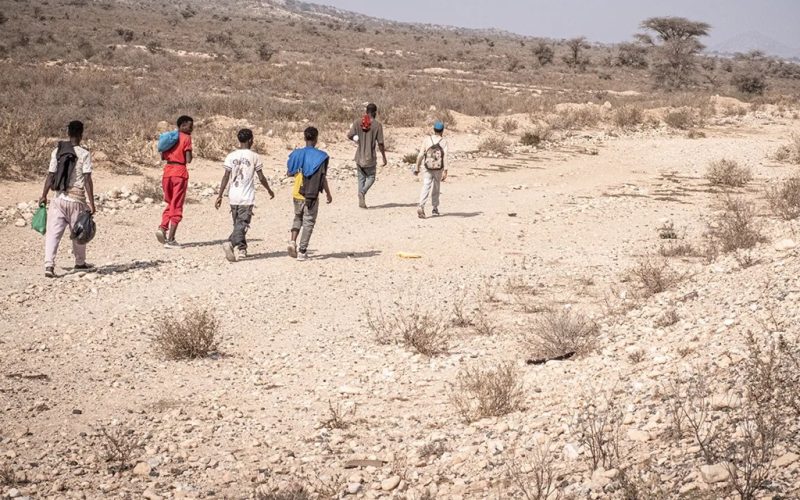
AFP reports that the conflict has created a dire humanitarian situation. International agencies estimate that approximately 4.5 million children in Amhara are currently unable to attend school, while Doctors Without Borders places the number of internally displaced persons at over 600,000.
A security source told AFP that federal forces generally maintain control of urban centers while Fano militias dominate rural areas. Both sides face serious accusations of abuses against civilians, with Fano groups allegedly conducting kidnappings for ransom and federal forces accused of carrying out drone strikes on civilian areas.
The human cost is staggering. AFP interviewed farmer Belete Melke, who was struck by a stray bullet while sheltering from rain in a remote village. After traveling to the capital Addis Ababa for treatment, doctors amputated his leg. He told AFP he has no idea which side shot him, noting that both federal forces and Fano fighters claim to be defending Ethiopia.
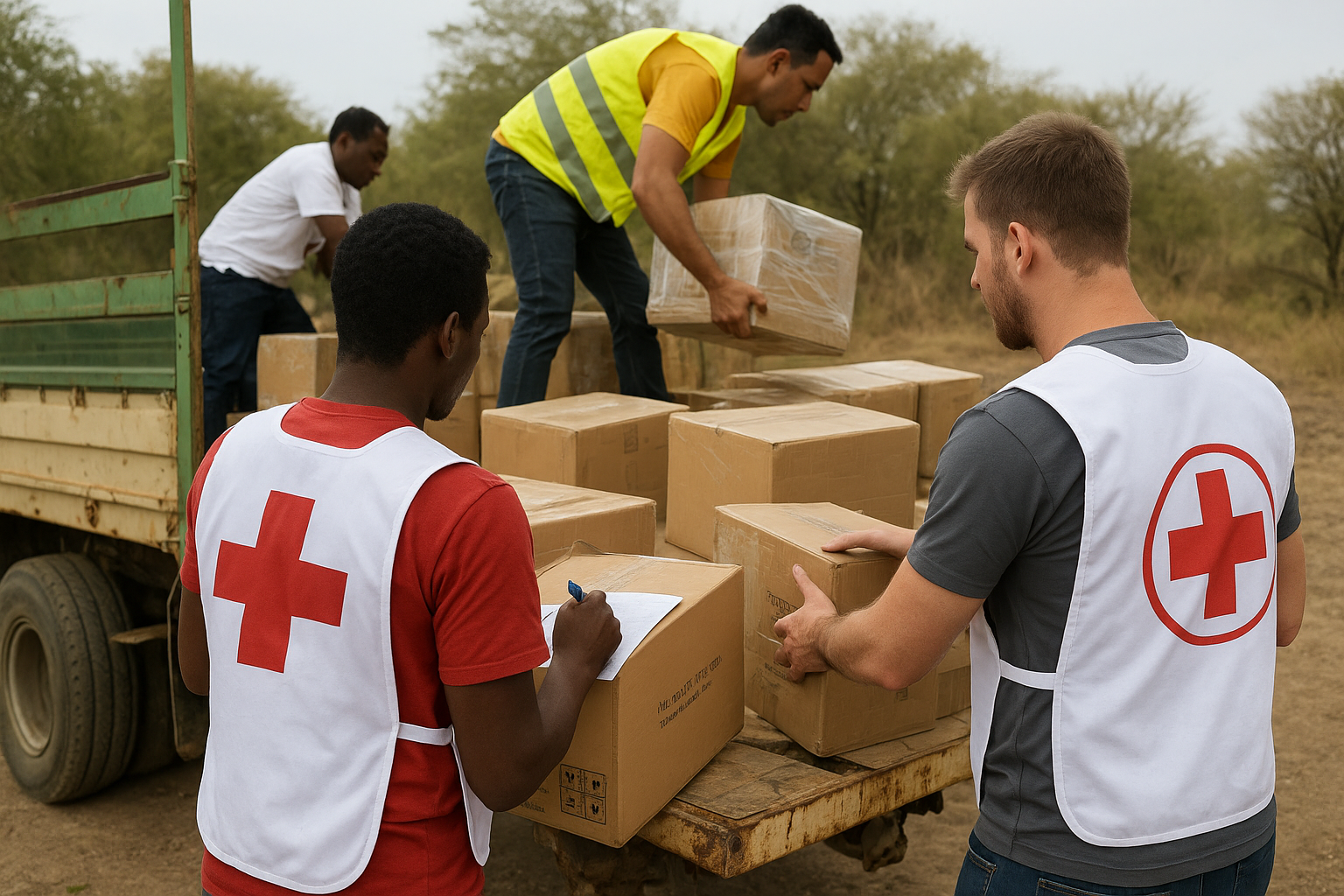
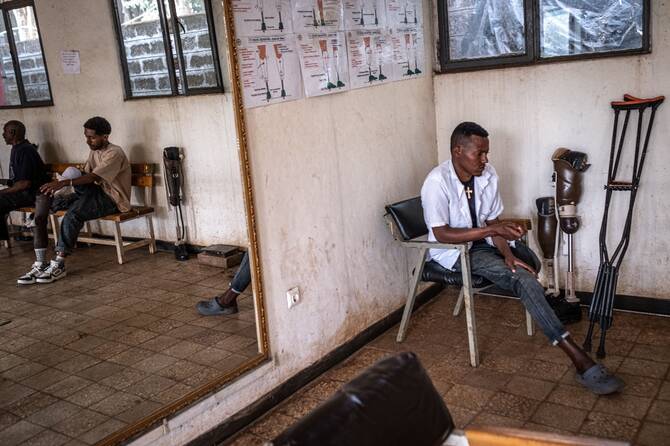
At a rehabilitation facility in Bahir Dar supported by the International Committee of the Red Cross, AFP documented the stories of numerous victims. Nineteen-year-old Yoseph Debasu lost his leg when his tuk-tuk ran over an improvised explosive device in a contested area. Despite his injury, he expressed gratitude for his prosthetic limb, telling AFP it made him feel reborn.
Medical professionals are struggling to cope. Orthopaedic technician Bashawgize Getie, who has worked at the rehabilitation center for nearly a decade, told AFP that patient numbers continue climbing while many wounded people cannot reach the facility due to roadblocks scattered throughout the conflict zone.
Red Cross officials warn the situation may worsen, with AFP reporting that armed groups on both sides appear to be building their military capabilities rather than seeking peace.
For civilians like Yoseph, uncertainty dominates daily life. He told AFP that when one side arrives and orders schools to open, students attend until the opposing force arrives and fighting resumes, leaving residents perpetually caught in the middle.
Source: Information compiled from AFP reporting from Ethiopia’s Amhara region, December 2025.
Editor’s Note: This article draws on AFP field reporting documenting the ongoing humanitarian crisis in Ethiopia’s Amhara region and its devastating impact on civilian populations.