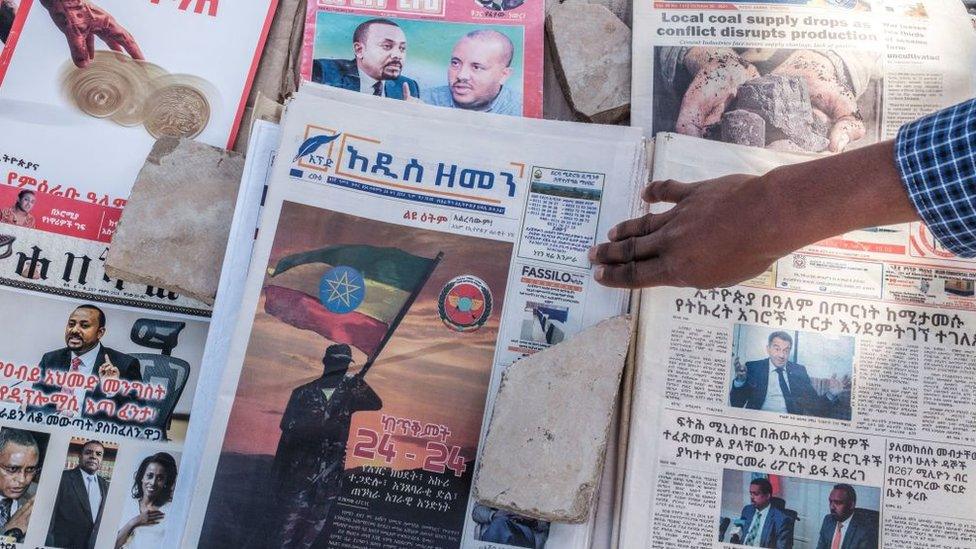
Ethiopian authorities have shut down Addis Standard, one of the country’s last remaining independent news outlets, just three months before scheduled national elections, a move that press freedom advocates and human rights organizations are condemning as a deliberate attempt to suppress critical journalism.
On February 24, Ethiopia’s Media Authority announced the revocation of Addis Standard’s operating license, citing alleged repeated violations of the country’s laws, media ethics, and national interests. However, no specific violations were identified in the announcement.
Addis Standard’s Editor-in-Chief, Yonas Kedir, pushed back against the allegations, stating that the Media Authority had never formally notified the newsroom of any prior violations or enforcement actions before pulling the license. He confirmed that the publication is currently reviewing its legal options to challenge the decision.
Founded in 2011, Addis Standard spent over a decade providing independent, in-depth reporting on sensitive political and social issues in Ethiopia. The outlet had long operated under pressure from authorities. An editor was arrested in November 2020, the publication was briefly suspended during the Tigray conflict, and in April 2025, police raided its offices and detained three staff members.
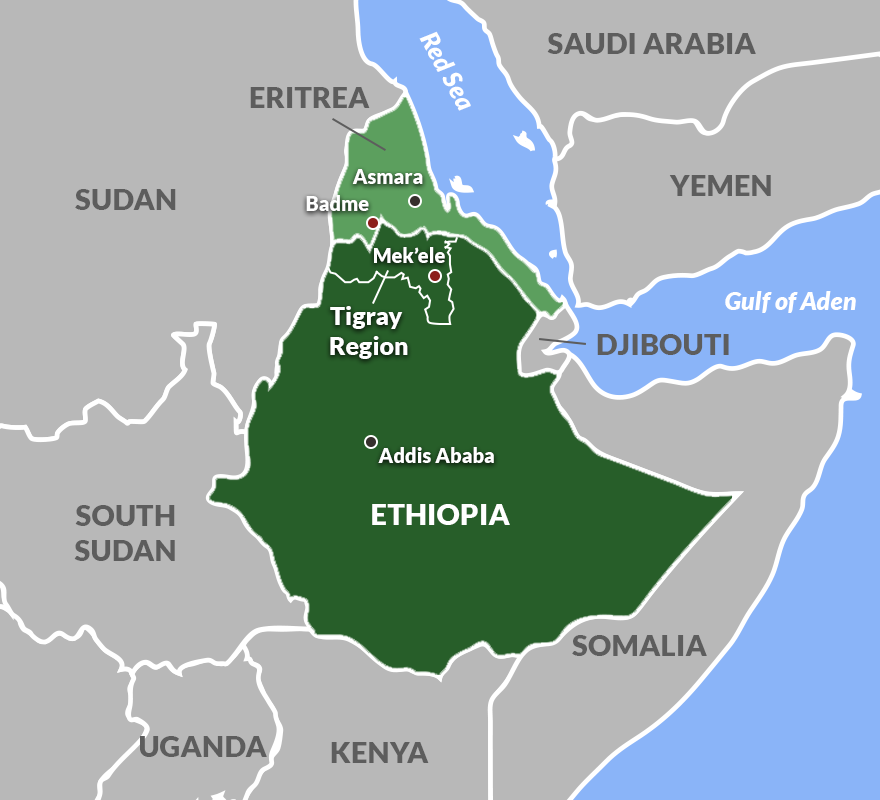
The latest shutdown is part of a broader and accelerating crackdown on independent media in Ethiopia. In December 2025, two Deutsche Welle journalists covering conflict zones in the Amhara and Tigray regions were permanently suspended. In January 2026, the Media Authority revoked the license of Wazema Radio on similar grounds. In February 2026, Reuters reported that three of its journalists had their accreditation declined by Ethiopian authorities, reportedly following coverage linking the Ethiopian government to a training camp for fighters connected to Sudan’s Rapid Support Forces.
Human Rights Watch, which reported on the closure, warned that with renewed hostilities threatened in northern Ethiopia and the country approaching a critical election period, the absence of a free and independent press poses serious risks to accountability and public information. The organization is calling on Ethiopia’s international partners to speak out against the ongoing suppression of media freedom.
The Ethiopian government has not publicly responded to international criticism of the crackdown.
Source: Human Rights Watch (hrw.org) — Published February 25, 2026