Addis Ababa, Ethiopia — In a stunning reversal of his previous stance, Ethiopian Prime Minister Abiy Ahmed has publicly acknowledged for the first time that Eritrean military forces participated in the Tigray war and were responsible for mass killings of civilians, marking a dramatic shift in the official narrative surrounding the conflict that claimed over 400,000 lives.
Historic Parliamentary Address
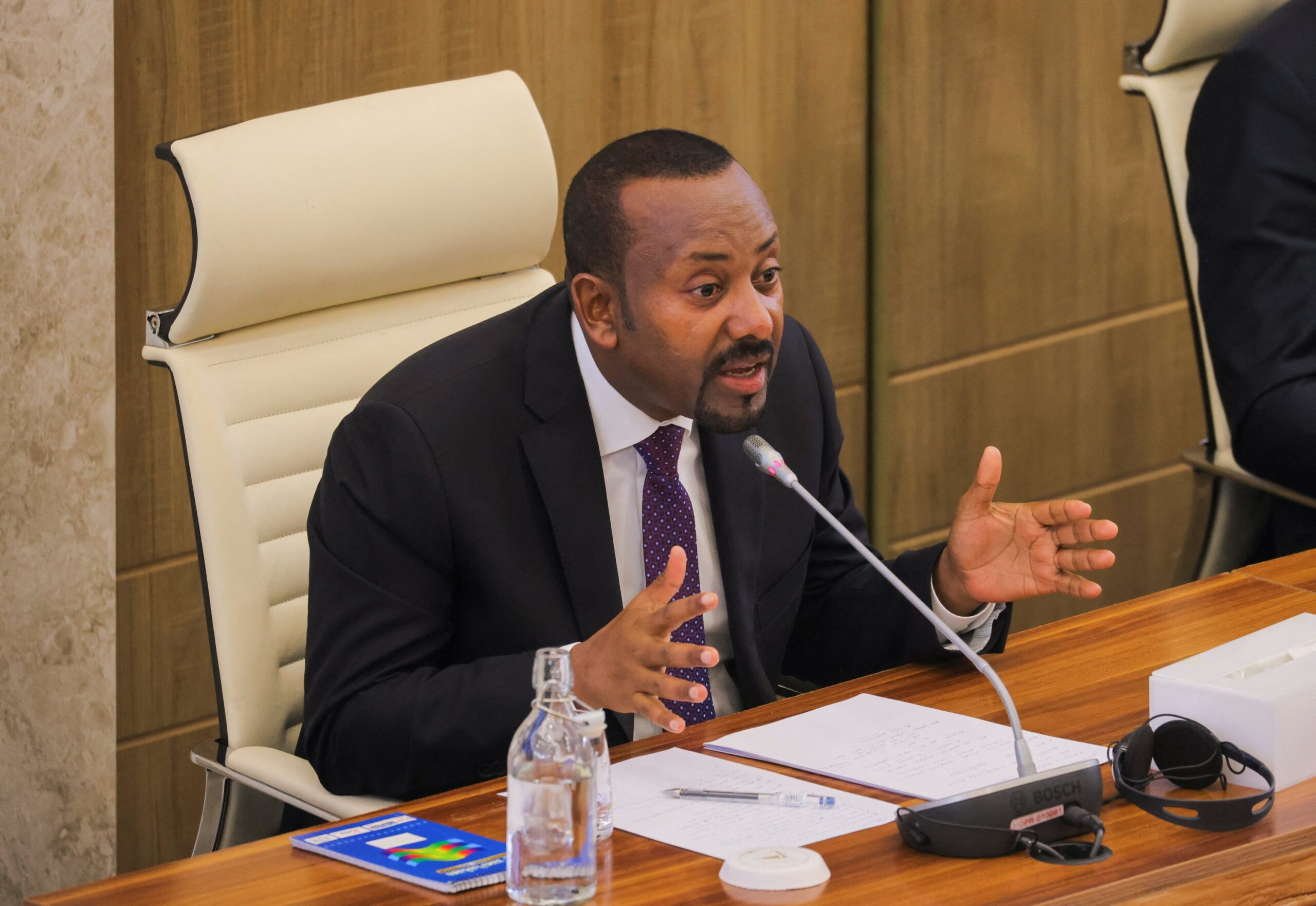
Speaking before Ethiopian lawmakers on Tuesday, February 3, 2026, Prime Minister Ahmed detailed specific allegations of atrocities committed by Eritrean troops who fought alongside Ethiopian federal forces against Tigrayan regional forces during the two-year conflict that officially ended with a 2022 peace agreement.
Ahmed’s admission is particularly significant given his previous position. On November 30, 2020, during the height of the conflict, the prime minister told parliament that not a single civilian had been killed during military operations. His latest statements represent a complete reversal of that claim.
The prime minister specifically accused Eritrean forces of massacring civilians in the historic city of Aksum, where witnesses and human rights investigators have long alleged that hundreds of unarmed civilians were killed over two days in late November 2020.
Documented Atrocities
According to Ahmed’s parliamentary testimony, Eritrean military personnel systematically demolished homes, massacred young people, looted factories, and destroyed industrial infrastructure in multiple Tigrayan cities including Shire, Axum, Adwa, Adigrat, and other locations.
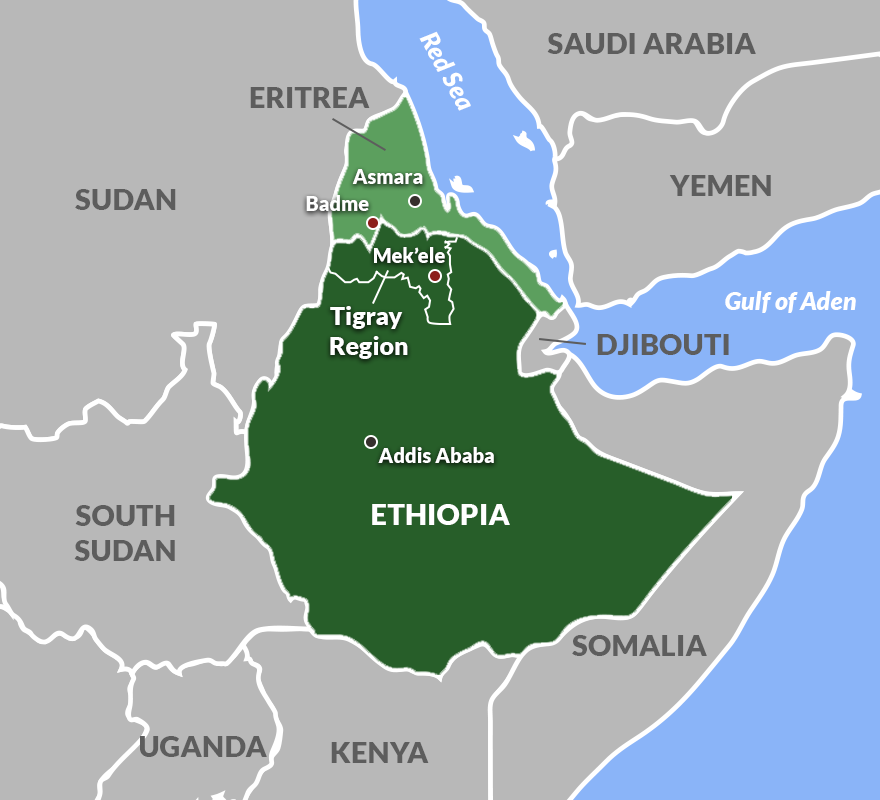
The prime minister stated that tensions between Ethiopia and Eritrea originated not from recent Red Sea access disputes, as commonly believed, but from Eritrean military conduct during the Tigray campaign. He described how Eritrean forces accompanied Ethiopian troops into Shire and subsequently engaged in widespread destruction and killings.
International human rights organizations, including Amnesty International and BBC journalists, were able to piece together accounts of the Aksum massacre despite communications blackouts and restricted journalist access during the war. Witness testimony described house-to-house raids by Eritrean soldiers targeting primarily boys and men, with bodies remaining in the streets for days.
Eritrean Denial and Diplomatic Fallout
Eritrea’s Information Minister Yemane Gebremeskel immediately rejected Ahmed’s accusations, characterizing them as fabrications unworthy of response. Speaking to The Associated Press, Gebremeskel called the prime minister’s statements nothing more than false propaganda.
The Eritrean official countered that Ahmed’s change in position was politically motivated, noting that the Ethiopian leadership had previously awarded state medals to Eritrean military officers for their participation in the Tigray operations. Gebremeskel suggested that Ahmed’s newfound criticism only emerged after Ethiopia began pursuing access to Red Sea ports through Eritrean territory.
Regional Tensions Escalate
The dramatic exchange occurs against a backdrop of deteriorating relations between the two nations and renewed violence in Tigray. Ethiopian Airlines suspended flights to the region last week following reports of fresh clashes, raising concerns about the stability of the 2022 peace agreement.
Regional analysts warn that alliances in the Horn of Africa may be shifting once again. Intelligence assessments suggest that Eritrea could be establishing new relationships with Tigrayan forces, potentially setting the stage for renewed large-scale conflict.
The current dispute centers on landlocked Ethiopia’s aspirations to regain sovereign access to Red Sea ports. Ethiopia lost direct maritime access when Eritrea gained independence in 1993 after decades of armed struggle. Ahmed has publicly declared that Ethiopia and the Red Sea cannot remain separated indefinitely, while Eritrea has accused Ethiopia of harboring territorial ambitions and supporting rebel groups within Eritrean borders.
The Nobel Laureate’s Evolving Legacy
Ahmed’s acknowledgment of war atrocities adds another complex layer to his controversial legacy. The prime minister won the Nobel Peace Prize in 2019 for his diplomatic efforts to end a two-decade military stalemate with Eritrea, an achievement that initially generated widespread international acclaim.
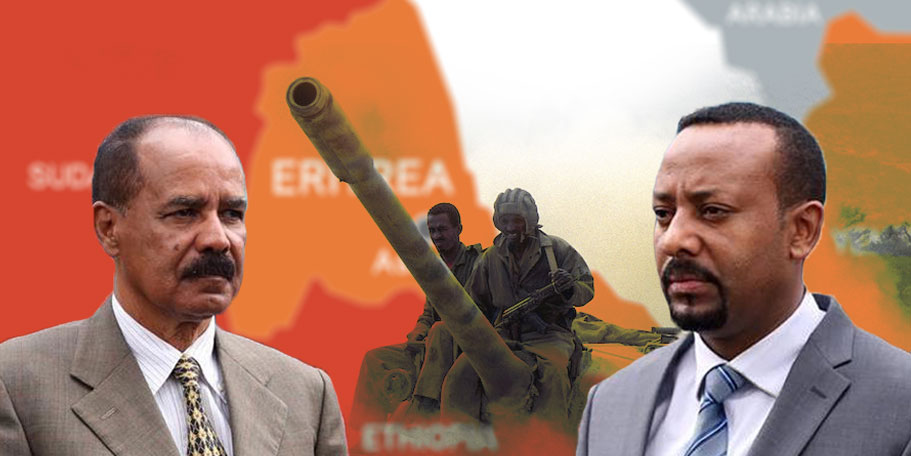
The two nations established friendly relations after Ahmed assumed power in 2018, reopening borders and reestablishing diplomatic, trade, and transportation links that had been severed during years of hostility. Eritrean President Isaias Afwerki and Ahmed jointly declared an end to the state of war between their countries in July 2018.
However, the relationship began deteriorating during and after the Tigray conflict. In June 2025, Eritrea formally accused Ethiopia of maintaining a sustained campaign aimed at seizing its Red Sea ports, while Ethiopian officials countered with allegations that Eritrea was actively preparing for military confrontation.
Conflict’s Devastating Toll
The Tigray war, which began in November 2020 when the Ethiopian government accused the Tigray People’s Liberation Front (TPLF) of attacking federal military installations, resulted in one of Africa’s deadliest recent conflicts. Conservative estimates place the death toll at over 400,000 people, though the actual figure may be significantly higher due to the difficulties in documenting casualties during the communications blackout.
The African Union brokered the peace agreement in Pretoria in November 2022 between Ethiopia’s federal government and the TPLF. Notably, Eritrea did not participate in or sign the agreement, despite having played a significant military role in the conflict.
International Response Required
Human rights advocates have called for independent international investigations into alleged war crimes committed by all parties during the Tigray conflict. The lack of access to conflict zones and the subsequent communications blackout has made comprehensive documentation extremely challenging.
Ahmed’s public admission of Eritrean involvement in civilian killings, while contradicting his earlier denials, provides official acknowledgment of allegations that international investigators and journalists had documented through witness testimony and limited on-the-ground reporting.
The unfolding situation presents significant challenges for regional stability, with both nations exchanging increasingly hostile rhetoric while pursuing competing strategic objectives in one of Africa’s most volatile regions.
Sources: BBC News, Associated Press, ABC News — February 2026
For additional information: – BBC: https://www.bbc.com/news/articles/c74vpdnj301o – AP News: https://apnews.com/article/ethiopia-eritrea-tigray-war-108f32cdd0c24ed009bb623b597b7c96 – ABC News: https://abcnews.go.com/International/wireStory/ethiopias-prime-minister-accuses-eritrea-mass-killings-tigray-129826513