Few political reversals in recent African history have been as stark as Ethiopia’s descent from a celebrated model of press reform into one of the continent’s most hostile environments for independent journalism. At the center of this reversal stands Prime Minister Abiy Ahmed, a leader who once earned global admiration for freeing journalists, but who now presides over a government that makes them disappear.
A Promise Broken
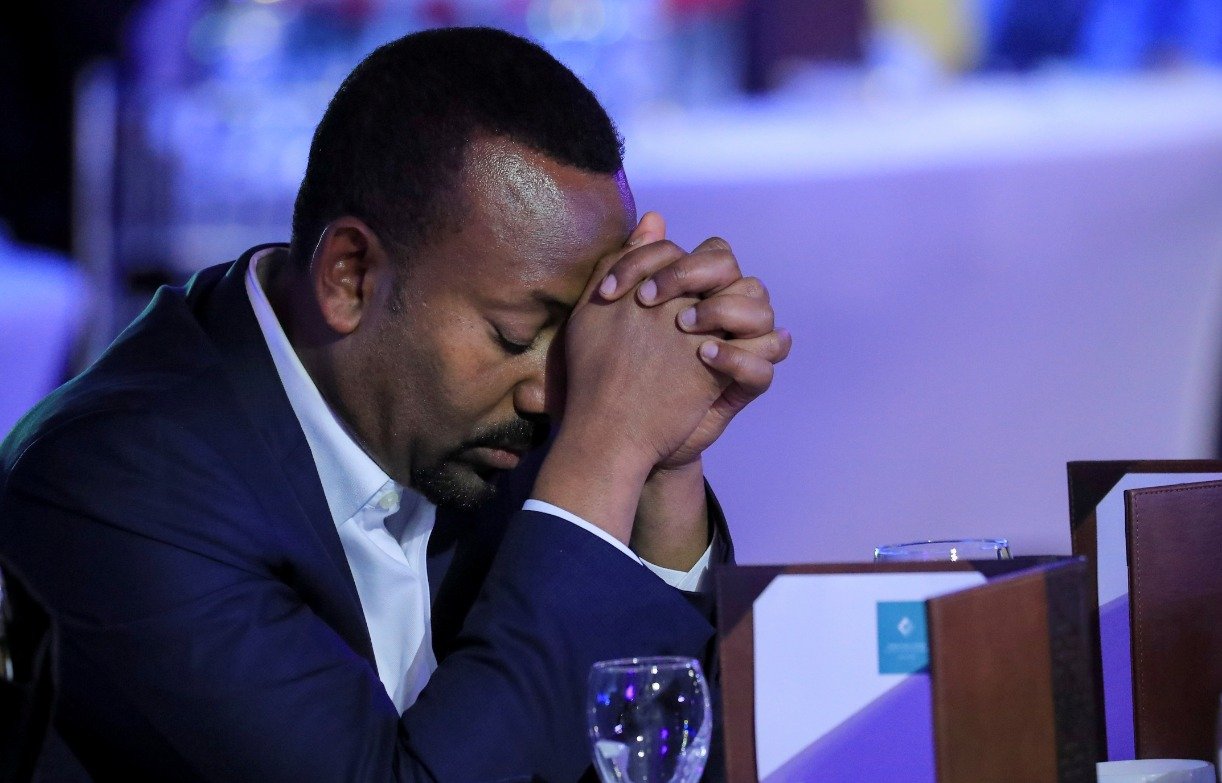
When Abiy Ahmed first took office eight years ago, he was widely praised as a breath of fresh air for Ethiopian media. He unlocked the doors of political prisons, lifted bans on independent news outlets, and spoke openly about his commitment to pluralism and democratic values. That version of Abiy Ahmed now exists only in memory.
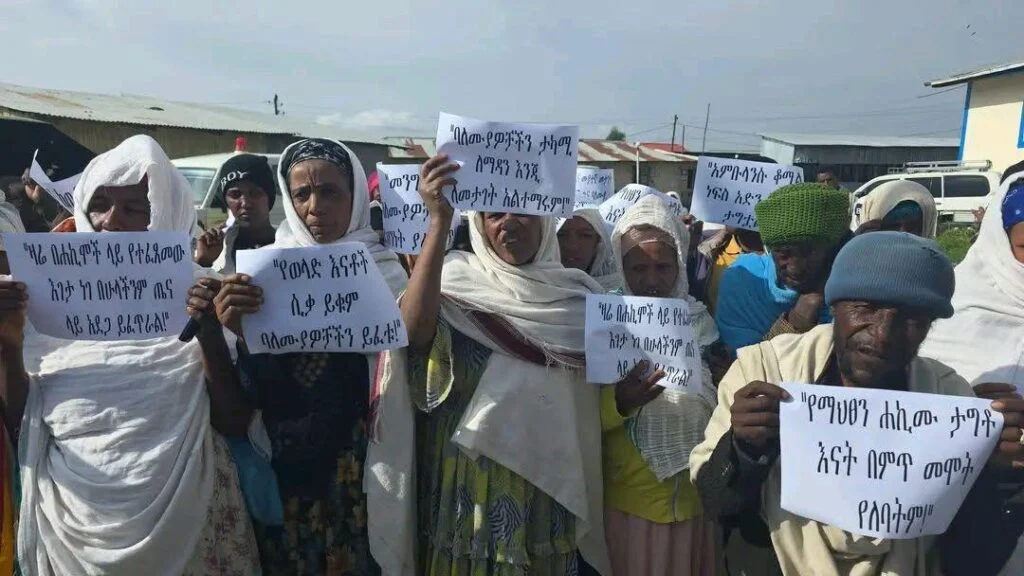
With Ethiopia preparing for a general election in June 2026, the prime minister has declared it will be the most open and democratic vote in the nation’s history. The facts on the ground tell a very different story. Many of his political rivals are either behind bars or living in exile. Opposition parties have been absorbed, intimidated, or outright outlawed. And journalists across the country have increasingly found themselves snatched from their workplaces and homes by unidentified individuals, taken to unknown locations, accused of nothing specific.
A Newspaper and Its Missing Editor
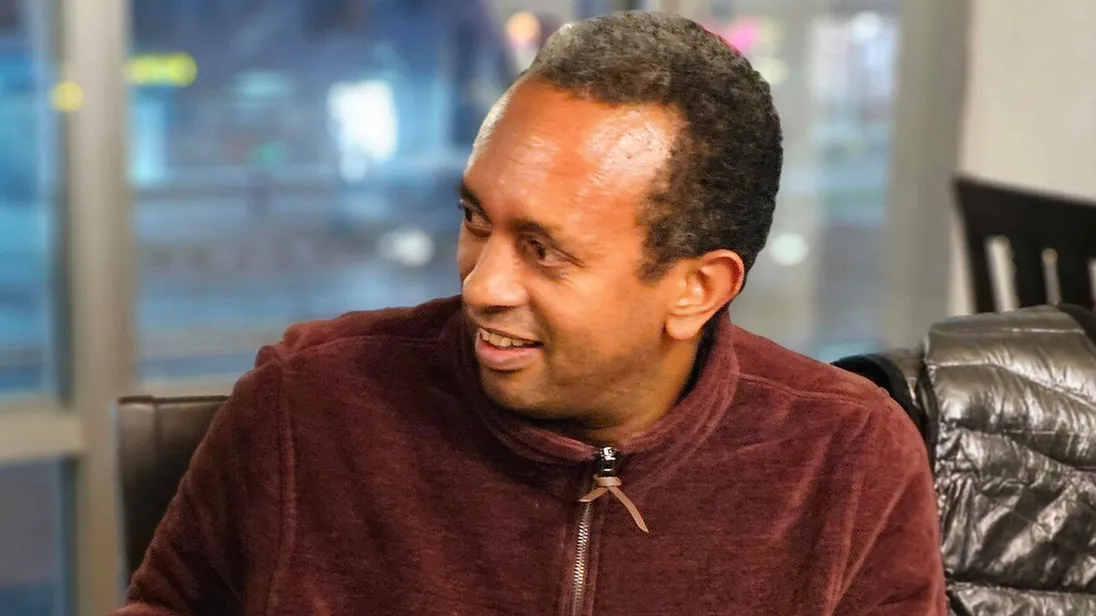
The most recent and alarming case involves Million Beyene, the managing editor of the Addis Standard — one of Ethiopia’s last remaining independent publications still willing to hold the government to account. On April 15th, a group of masked men in civilian clothing entered the newspaper’s Addis Ababa offices and took him away, stating only that he was required for questioning. Since that day, no one has been able to confirm his whereabouts or condition.
The police have denied any knowledge of his detention. Yet the government had already moved against the Addis Standard months earlier, revoking its operating licence in February on allegations of breaching unspecified laws and posing a threat to the national interest. Before that, security forces had raided the paper’s offices and detained members of its staff. The intimidation campaign has had its intended effect — numerous journalists at the outlet have since resigned, unwilling to risk their safety. According to the paper’s founder, Tsedale Lemma, who now operates from abroad, anyone who dares to ask about Million Beyene’s fate is met with threats from police.
A Pattern of Silencing
The Addis Standard’s ordeal is not an isolated incident. Across Ethiopia, scores of journalists have been arrested, physically assaulted, or driven out of the country entirely. Foreign correspondents have fared no better — multiple international reporters have been expelled. In one particularly chilling episode in 2024, a foreign journalist was arrested while meeting with an opposition politician, then deported. That politician was assassinated just weeks later.
The message being sent to the press, domestic and foreign alike, could not be clearer.
The Government’s Own Words
Perhaps most revealing is the language being used by government officials themselves. Earlier this year, a senior official at Ethiopia’s media regulatory body publicly accused the Addis Standard and similar outlets of waging what he described as a coordinated information war against the country. Suppressing such voices, he argued, was a matter of national survival. He went further, warning that Ethiopia’s “sword remains unsheathed.”
For a government that once promised to defend press freedom, the imagery of drawn swords against journalists marks a profound and troubling transformation.
As Ethiopia moves toward an election that the world is being told will be free and fair, the silencing of the very voices that could scrutinize that claim speaks volumes. The pens that remain unbroken do so at extraordinary personal risk.
Source: The Economist — “Abiy Ahmed Is Throttling Free Expression in Ethiopia,” April 23, 2026.