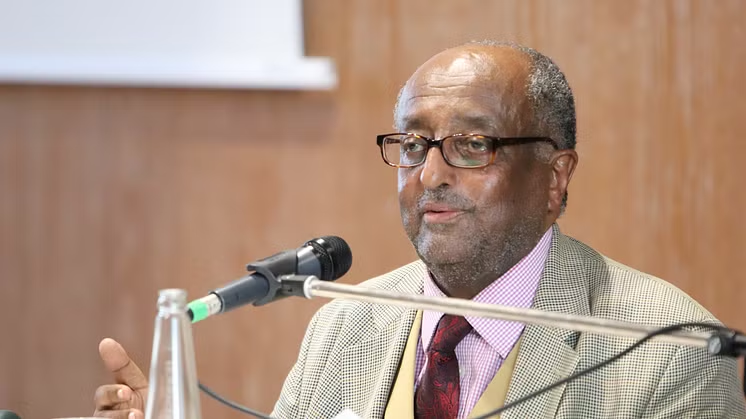
A new report from the Ethiopian Human Rights Council (EHRCO) says at least 450 civilians have lost their lives in ethnically and religiously motivated attacks spread across nine districts of the East Arsi Zone in Ethiopia’s Oromia region.
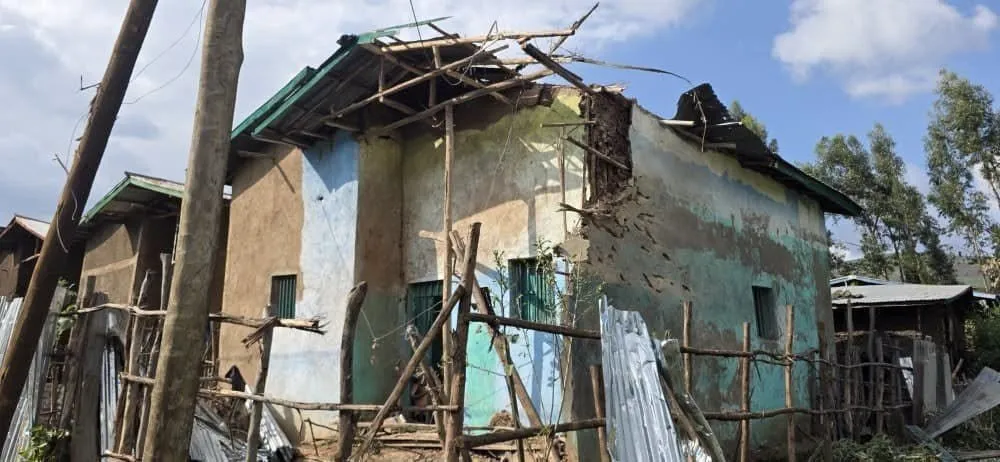
The findings appear in EHRCO’s 158th special bulletin, a 37-page document covering an investigation period stretching from September 2021 through June 2026. Beyond the killings, the report describes a pattern of serious abuses, including injuries to civilians, large-scale arrests, sexual violence, and widespread destruction of property, which it attributes to armed groups operating in the area.
District-by-District Death Toll
According to EHRCO’s field research, the reported deaths break down by district as follows:
- Merti — 117
- Sherka — 116
- Jeju — 101
- Robe — 47
- Guna — 26
- Honkolo Wabe — 20
- Munisa — 19
- Asseko — 5 civilians and 4 local militia members
- Arsi Sire — 3
EHRCO says its report includes the names and identities of those killed.
Abductions, Displacement, and Destroyed Property
The council also documented mass abductions in Sherka, Robe, Jeju, Merti, and Munisa. Some captives were eventually freed after relatives paid steep ransoms, but many others are still unaccounted for. Older residents and children were reportedly among those who suffered serious physical harm during the violence.
EHRCO describes the security situation in East Arsi as still fragile, noting that more than 14,000 people have been forced from their homes. The displacement figures it recorded by district are:
- Jeju — 6,216
- Sherka — 3,746
- Asseko — 2,133
- Robe — 1,270
- Merti — 1,036
- Munisa — 29
- Guna — 21
The report further notes that houses of worship were not spared, with several long-standing churches burned, ransacked, or shut down because of ongoing insecurity.
EHRCO’s Demands
EHRCO argues that what it documented amounts to violations of constitutional and international human rights protections, and that the pattern of abuse could rise to the level of crimes against humanity. The council is urging Ethiopia’s federal and regional governments to:
- Deploy consistent protection for at-risk communities.
- Pursue investigations and prosecute those responsible.
- Compensate victims and support the safe return of displaced residents.
As of this report’s release, neither federal nor regional security agencies had formally responded to EHRCO’s conclusions.
Context
Ethiopian federal and Oromia regional officials have repeatedly pointed to the Oromo Liberation Army (OLA) — active in the region since Prime Minister Abiy Ahmed took power in 2018 — as being behind such attacks. Officials, at times supported publicly by the Inter-Religious Council of Ethiopia, have maintained that the violence was not aimed at any single religious group.
That framing has been tested before. Just ahead of Ethiopia’s seventh general election in early June, a major attack struck Orthodox Christian residents of Sherka in Arsi, killing dozens and burning down a church more than 100 years old. Addressing parliament afterward, Prime Minister Abiy Ahmed described the assault as an attempt to derail the election.
EHRCO has spent several years tracking rights violations in Oromia and other regions of Ethiopia.
Source: Borkena — “EHRCO Reports Over 450 Civilians Killed in Identity-Based Attacks in East Arsi,” July 27, 2026.