Ethiopia is experiencing a severe humanitarian crisis as thousands of individuals from Amhara communities face detention amid deteriorating prison conditions. The situation has drawn international concern over mass arrests, prolonged imprisonment without trial, and the breakdown of due process protections.
Security operations across Ethiopia have resulted in the detention of thousands of civilians, including journalists and activists from Amhara region. Many remain held without formal charges or access to legal counsel. Families often receive no notification of arrests, no information about detention locations, and no timeline for legal proceedings, violations of fundamental justice principles.
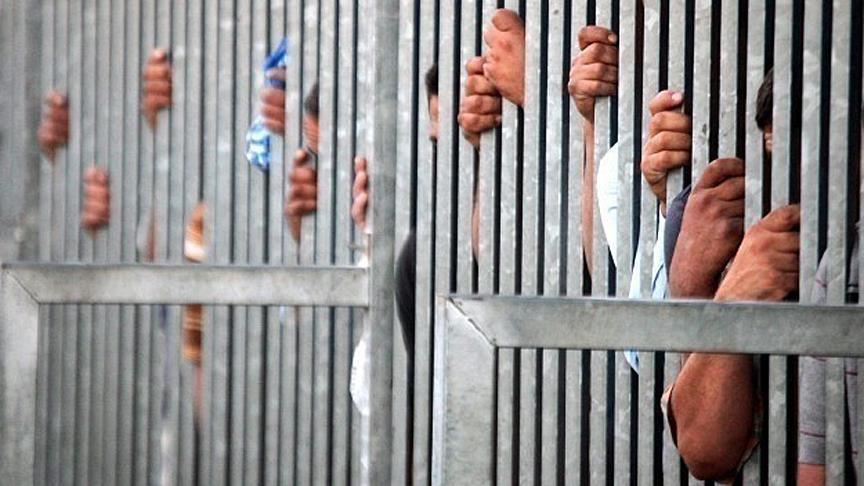
Ethiopian detention facilities face unprecedented overcrowding. Even official government human rights bodies have acknowledged the crisis. Infrastructure designed for limited populations now holds numbers far exceeding capacity. Severe overcrowding forces multiple detainees into spaces meant for single occupancy, while inadequate ventilation and sanitation create health hazards. Limited medical care leaves treatable conditions unaddressed, and insufficient food and water supplies combined with poor hygiene accelerate disease transmission. These conditions fall well below international standards for humane treatment.
Multiple reports describe physical abuse, denial of medical attention, and psychological mistreatment within detention facilities. Such practices, if verified, constitute serious violations of international human rights law and Ethiopia’s own legal obligations.
The detention crisis creates rippling effects throughout Amhara communities. Children lose parents, households lose breadwinners, pushing families into poverty, and chronic uncertainty generates widespread psychological trauma. The mass nature of arrests and lack of transparent processes have severely damaged public confidence in governmental institutions. Human rights advocates have expressed concern that detention operations disproportionately affect Amhara communities, raising questions about collective punishment, a practice prohibited under international law.
International human rights frameworks require that arrests be based on individual criminal suspicion, detainees be promptly informed of charges, and detention conditions meet minimum standards of human dignity. Torture is absolutely prohibited, and trials must be fair, timely, and independent. The current situation represents a significant departure from these standards.
Addressing this crisis requires concrete action. Immediate measures include halting mass arrests lacking individual justification, releasing detainees held without charge or conducting prompt hearings, providing legal counsel access, and improving prison conditions. Structural reforms must establish independent oversight of detention facilities, investigate abuse allegations, implement transparent arrest procedures, and ensure judicial independence. Long-term solutions require addressing underlying grievances, strengthening rule of law, and ensuring equal protection regardless of ethnicity.
How Ethiopia addresses this crisis will significantly impact the country’s stability and unity. Sustainable peace cannot be built on mass detention and erosion of legal protections. It requires justice, accountability, and respect for fundamental rights. The international community, civil society organizations, and all Ethiopians committed to human rights must remain engaged to ensure meaningful reforms that protect all communities.
Source: This article is based on information and reports from Borkena.com regarding detention conditions and the humanitarian situation affecting Amhara communities in Ethiopia.