Addis Ababa – Ethiopian federal police have reported the seizure of over 56,000 rounds of ammunition they claim was sent by Eritrea to arm rebel groups operating in the country’s Amhara region, marking a significant escalation in the deteriorating relationship between the two Horn of Africa neighbors.
According to a statement released by Ethiopian police on Wednesday, authorities intercepted an Isuzu freight truck at a checkpoint in Woldia town carrying the substantial weapons cache. The ammunition, which included approximately 42,000 rounds of Kalashnikov ammunition, 14,000 Bren rounds, and 800 heavy machine gun rounds, was reportedly disguised as cement and construction materials.
Allegations and Denials
Ethiopian authorities allege the ammunition originated in Eritrea, transited through the Tigray region’s capital Mekelle, and was destined for Fano militias operating in Amhara. The police statement further accused the Tigray People’s Liberation Front of facilitating the transfer. Two suspects traveling with the shipment have been detained, and investigations are ongoing.
Eritrea has categorically rejected these accusations. Information Minister Yemane Gebremeskel dismissed the claims as fabricated, stating that Ethiopia’s ruling Prosperity Party was “floating false flags to justify the war that it has been itching to unleash for two long years.”
The TPLF has also denied involvement. Vice President Amanuel Assefa characterized the allegations as “unfounded” and suggested federal authorities were seeking a pretext to undermine the Pretoria Agreement that ended the civil war in northern Ethiopia.
Historical Context and Strained Relations
The current tensions are rooted in a complex and often violent history between the two nations. Eritrea officially gained independence from Ethiopia in 1993 after a decades-long struggle, leaving Ethiopia landlocked. A devastating border war erupted in 1998, claiming over 100,000 lives before ending in 2000.
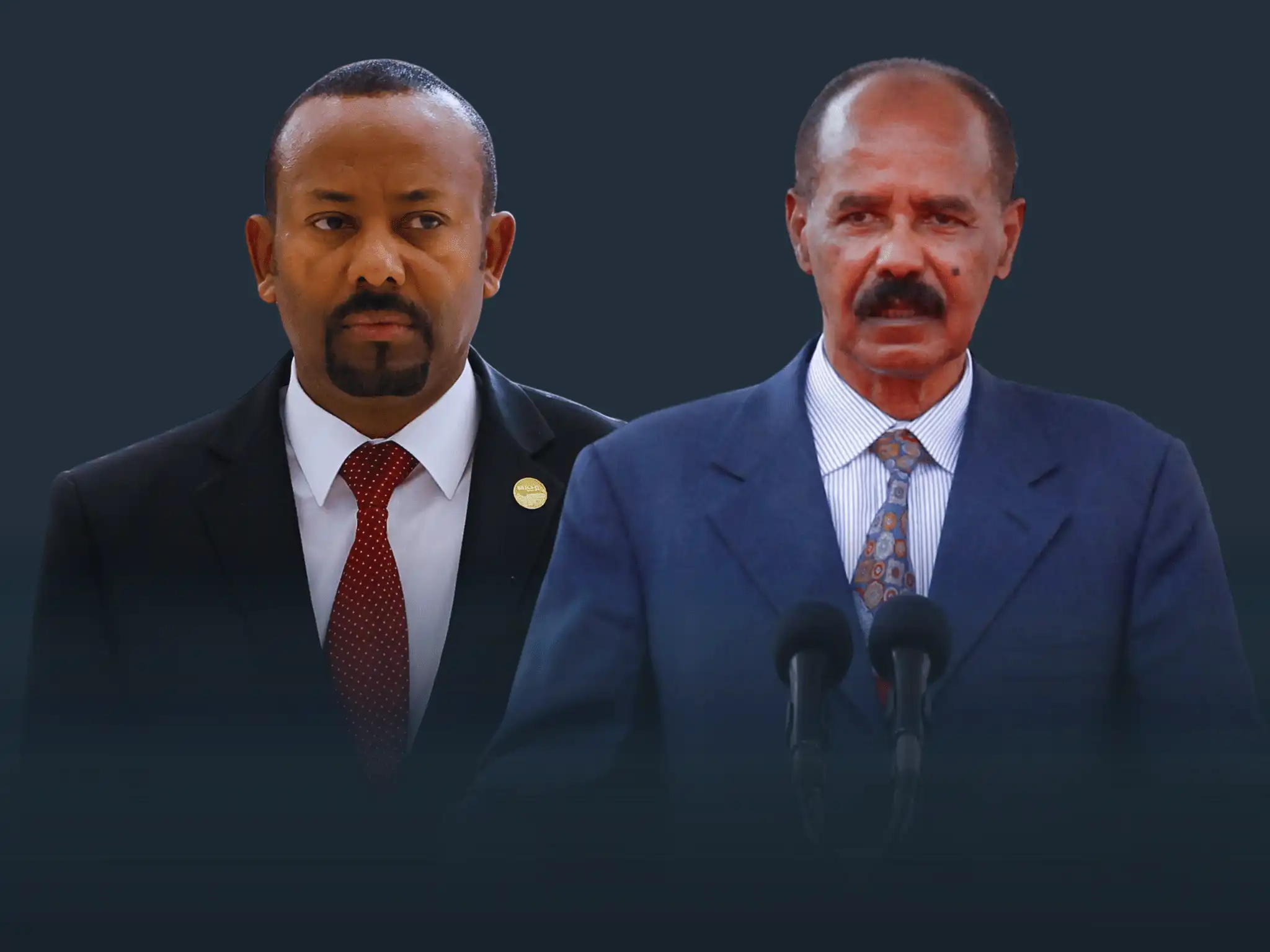
Relations appeared to thaw dramatically in 2018 when Ethiopian Prime Minister Abiy Ahmed and Eritrean President Isaias Afwerki signed a historic peace agreement to normalize ties. The diplomatic breakthrough earned Abiy the Nobel Peace Prize in 2019.
During Ethiopia’s civil war in Tigray from 2020 to 2022, Eritrean forces fought alongside the Ethiopian military against Tigrayan forces. However, when the conflict ended with the Pretoria Agreement in November 2022, Eritrea was excluded from the peace negotiations, souring relations once again.
The Fano Insurgency
The Fano militias, originally informal security forces in the Amhara region, have been waging an armed insurgency against the federal government since 2023. The group now controls significant portions of the northern Amhara region, posing a serious security challenge to the government in Addis Ababa.
Ethiopian authorities have previously accused external actors of supporting destabilizing forces within the country. In October 2025, Foreign Minister Gedion Timothewos sent a letter to United Nations Secretary-General António Guterres alleging that Eritrea and elements of the TPLF had formed an alliance called “Tsimdo” to wage war against Ethiopia.
Red Sea Access Dispute
Underlying much of the current tension is Ethiopia’s demand for access to the Red Sea. Since becoming landlocked following Eritrean independence, Ethiopia has relied on neighboring countries, particularly Djibouti, for maritime access.
Prime Minister Abiy has publicly declared that sea access is an existential issue for Ethiopia, a position that has alarmed Eritrean leadership. In a recent interview with state-run media, President Isaias accused Abiy’s party of having declared war on Eritrea, though he added that his country did not seek conflict but would defend itself if necessary.
Ethiopian officials have consistently stated they seek to resolve the sea access issue through peaceful dialogue rather than military confrontation. In October 2025, Abiy told parliament that Ethiopia’s demand was based on historical and legal grounds.
Regional Implications
The accusations come at a particularly volatile moment for the Horn of Africa, a region already grappling with multiple security challenges. Experts have expressed concern that the deteriorating relationship between Ethiopia and Eritrea could lead to renewed armed conflict, with potentially devastating humanitarian consequences.
Both nations have increased their rhetoric in recent weeks, with mutual accusations of aggression and warmongering. Despite assurances from both sides that they do not seek war, the seized ammunition allegation represents a tangible escalation beyond verbal disputes.
Ethiopian federal police have stated they will intensify monitoring operations and have called on the public to cooperate with security forces in preventing further arms trafficking attempts. Authorities described the alleged smuggling operation as part of ongoing efforts by internal and external actors to undermine national security.
International Response
The international community has yet to issue formal statements on the latest allegations. However, the United Nations and African Union have previously called for restraint and dialogue between the two nations.
The situation remains fluid, with both countries maintaining military readiness along their shared border. Regional observers continue to monitor developments closely, hoping diplomatic channels can prevent the tensions from escalating into open conflict.
As investigations continue in Ethiopia and denials persist from Asmara, the seizure of the ammunition shipment adds another layer of complexity to an already fragile relationship between two nations whose histories remain deeply intertwined despite decades of separation.