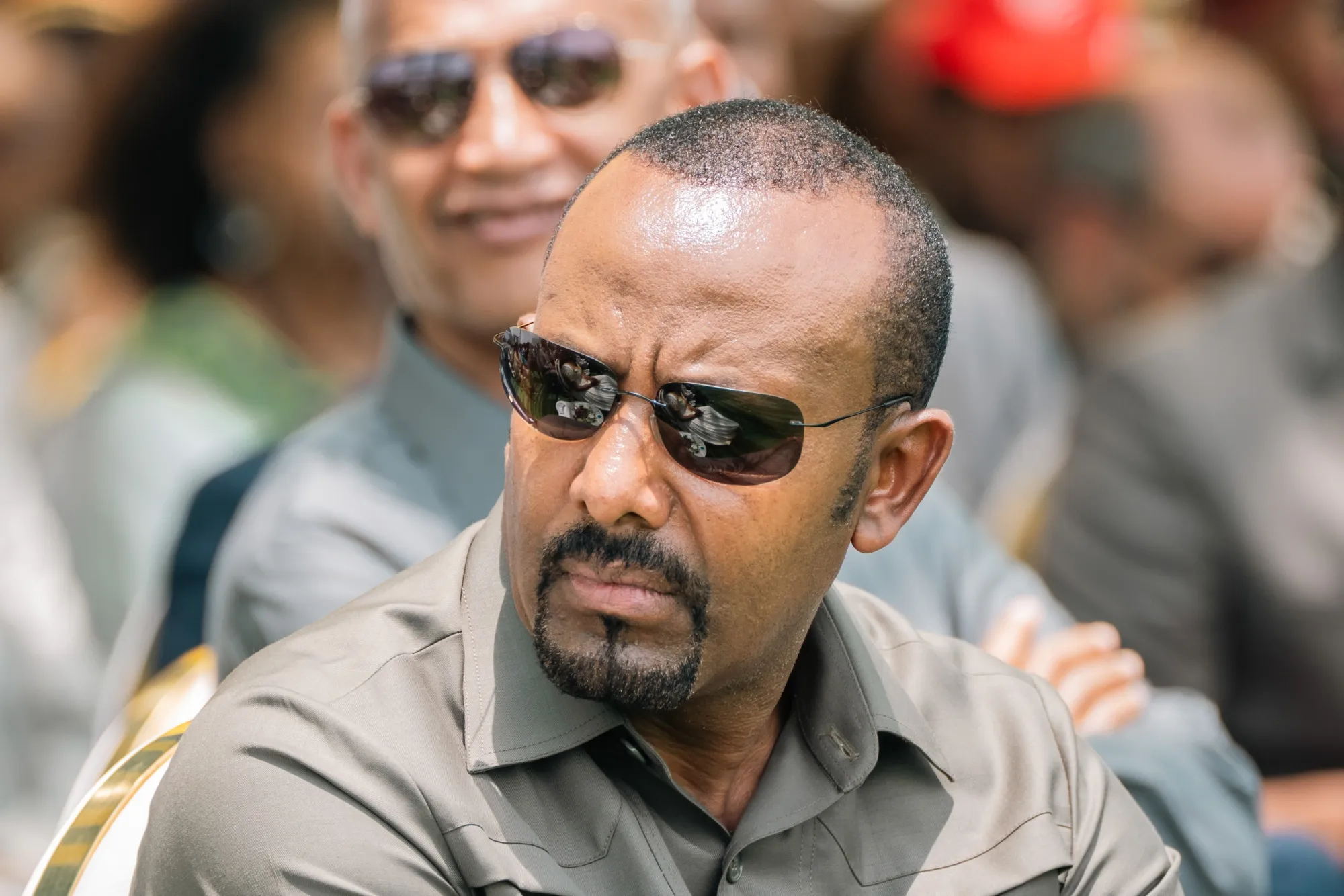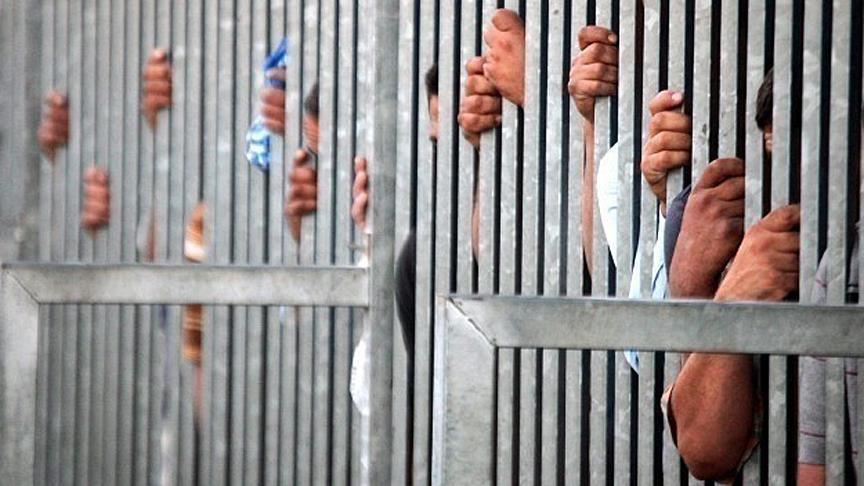
When Abiy Ahmed took office as Ethiopia’s prime minister in 2018, he arrived as a breath of fresh air for a nation long burdened by authoritarian rule. Within just three months, he had brokered a peace deal ending a two-decade standoff with neighboring Eritrea, a feat that astonished the world and earned him the Nobel Peace Prize in 2019. He freed political prisoners, loosened restrictions on the press, and spoke of national unity. For many Ethiopians and international observers, it felt like the dawn of a new era.
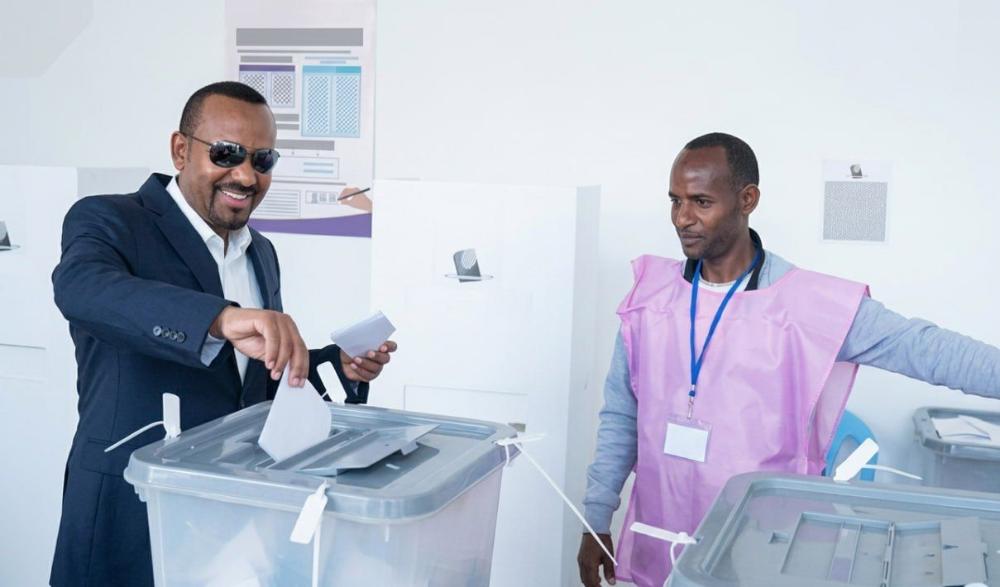
Eight years later, that optimism has all but vanished. As Ethiopia heads into parliamentary elections on June 1, 2026, the country of 135 million people is fractured along ethnic lines, embroiled in multiple armed conflicts, and presided over by a leader whose critics now describe him as the very source of the divisions he once promised to heal.
A Capital That Shines, and Regions That Burn
The contrast inside Ethiopia today is stark. Addis Ababa has undergone visible transformation, new infrastructure, parks, expanded roads, and even the launch of a national stock exchange. The capital projects an image of progress. But beyond its boundaries, the picture is dramatically different. The regions of Tigray, Amhara, and Oromia have been ravaged by active warfare, mass displacement, and recurring atrocities.
Much of this turmoil traces back to a pivotal decision Abiy made in late 2019. Just weeks after collecting his Nobel Prize, he dissolved the ruling coalition that had governed Ethiopia for nearly three decades and replaced it with a single centralized party, the Prosperity Party. He also ordered regional states to disband their own armies and fold into the national military. These moves dismantled the ethnic federal structure that had given powerful regional groups meaningful autonomy, and resistance was swift.
The Tigray People’s Liberation Front, which had long dominated Ethiopian politics, refused to comply and held its own regional elections in defiance of a federal postponement. The standoff escalated into a full-scale civil war in November 2020. By the time an African Union-brokered ceasefire was reached in 2022, the conflict had claimed an estimated 600,000 lives, making it one of the deadliest wars of the 21st century. Today, that peace deal is showing signs of breaking down, and fears of renewed war are growing.
In Oromia, Abiy’s own home region, the Oromo Liberation Army has been fighting government forces for years over demands for greater autonomy. In Amhara, the Fano militia has seized large parts of the countryside since 2023, forcing the cancellation of voting in multiple constituencies ahead of the June 1 ballot.
An Election Few Believe Will Be Free
Observers and opposition figures have raised serious concerns about whether the upcoming vote can be considered credible. The electoral board has already excluded Tigray entirely and parts of Amhara from participating. Opposition leaders have reported the arrest and intimidation of party members, and civic space has narrowed considerably under the current administration.
In a notable tactical move, the ruling Prosperity Party has chosen not to field candidates in more than two dozen constituencies, a decision some analysts interpret as a calculated effort to allow limited opposition representation in parliament and lend the election a veneer of competitiveness. Critics, however, say this does not change the fundamental nature of the exercise.
For researchers and dissidents who have fled the country, the vote carries little meaning. One Ethiopian geopolitics researcher living in exile described the country as more divided today than at any point in recent memory, arguing that ethnic tensions, arbitrary arrests, and the shrinking of political freedoms have severely damaged any claim to legitimacy the government might make. For him and others like him, the June 1 election is not a democratic contest; it is a foregone conclusion dressed up as one.
Source: CNN — Reporting by Nimi Princewill. Published May 31, 2026.