A newly launched advocacy campaign is urging governments, faith groups, and international institutions to intervene on behalf of Ethiopia’s Orthodox Christian community, arguing that years of documented violence, church destruction, and official rhetoric add up to a coordinated campaign against the Ethiopian Orthodox Tewahedo Church (EOTC).
The campaign, detailed in a report published July 2, 2026 by writer Yonas Biru, compiles years of statements from religious leaders, human-rights bodies, and U.S. government reporting to argue that the threat facing Ethiopia’s Orthodox community has moved from isolated incidents to a systemic pattern.
A Faith Under Pressure
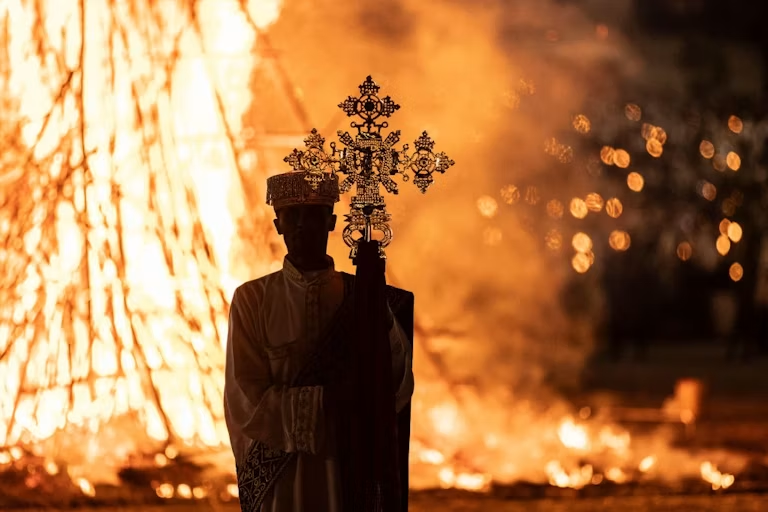
The EOTC is one of Christianity’s oldest institutions, tracing its roots back nearly two thousand years and serving as custodian of historic manuscripts, monasteries, and sacred sites. Census data cited in the report puts Orthodox Christians at roughly 43.5% of Ethiopia’s population, with survey data showing high rates of weekly worship and daily prayer among adherents.
The report stresses that the crisis is not a religious conflict between Muslims and Christians. It points to a long history of coexistence and mutual support between the two communities, including a joint appeal from the Ethiopian Islamic Affairs Supreme Council and Orthodox Church leaders calling on authorities to prosecute those responsible for anti-Christian violence. Instead, the report frames the crisis as one manufactured and exploited by government actors who inflame ethnic and religious division for political ends.
Allegations Against Government Leadership
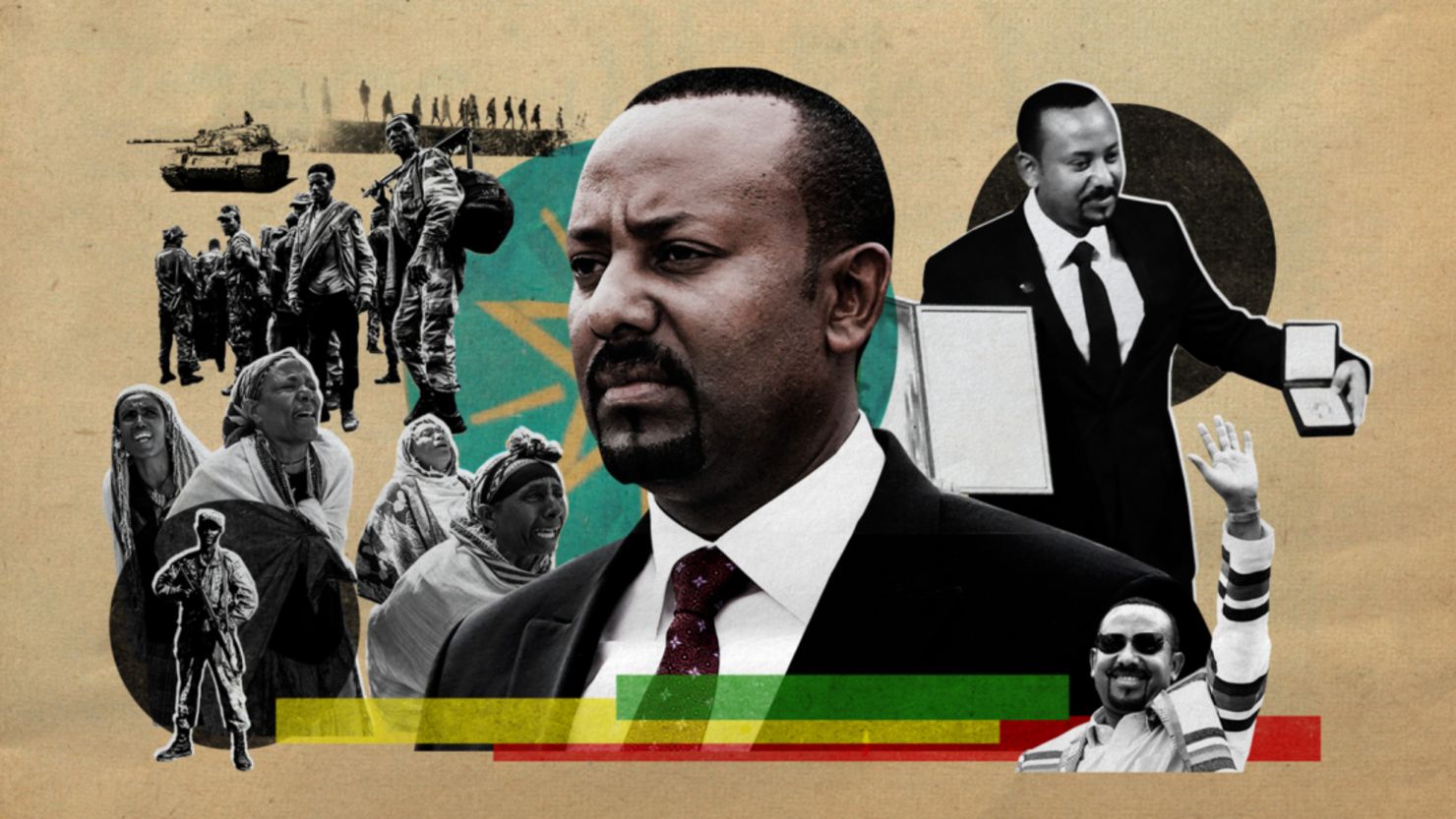
Central to the campaign are claims, sourced to three separate individuals, that Prime Minister Abiy Ahmed made private and semi-private remarks expressing hostility toward the Amhara ethnic group and the Orthodox Church. A former state minister, a journalist and Stanford fellow, and an exiled pastor who says he was one of roughly 400 clergy at a private meeting with the Prime Minister, each independently allege that Abiy made statements disparaging the Church or the Amhara community. The report treats these as three separate accounts rather than a single source, and notes the pastor says he has repeated the account publicly without being contradicted by other attendees.
The report also cites public remarks by Abiy suggesting that Orthodox monasteries around Addis Ababa were being used to train fighters, along with a comment from an army general warning that churches sheltering such activity would be targeted. Separately, the Prime Minister is quoted criticizing Christianity’s historical role in Ethiopia’s development, a claim the report notes contains a factual error, since Christianity became Ethiopia’s state religion in the 4th century, not the 1st, as Abiy reportedly stated.
Documented Violence
Citing the U.S. State Department’s religious freedom reporting, the United Nations’ Special Adviser on the Prevention of Genocide, the Lemkin Institute, and the European Centre for Law and Justice, the report catalogs a series of violent incidents over the past several years: security forces opening fire on worshippers in Shashemene in 2023, killings in Oromia’s Arsi zone in 2025 and 2026, and a late May-to-June 2026 wave of attacks in which the report says armed groups killed civilians, burned homes, and destroyed a centuries-old church.
The report also references graphic accounts of violence against pregnant women, including one case in which a woman is said to have died of a stress-induced cardiac event after an attack on her home, and separate testimony describing the killing of a pregnant woman and her unborn child. Anthropic and this publication cannot independently verify these specific accounts; they are presented here as claims made in the original report and attributed to the sources it cites.
A Pattern of Selective Response
The report argues that Ethiopian authorities respond quickly and visibly to property crimes against other religious groups, pointing to a June 2026 incident in Ayat, Addis Ababa, in which police named 21 suspects and detailed damages within 48 hours after a Protestant church’s fence was damaged, while similar or more serious incidents affecting Orthodox communities have gone unprosecuted for years, including the 2023 Shashemene killings.
Government Spending Under Scrutiny
The campaign draws a contrast between the destruction of churches and government spending on a large palace complex outside Addis Ababa, which international media have estimated at between roughly $13 billion and over $15 billion, a sum the report notes is comparable to Ethiopia’s entire national budget. It also cites a large residence reportedly being built for the governor of the Oromia region. The report argues that continued U.S., World Bank, and IMF assistance risks indirectly supporting this spending given the fungible nature of foreign aid, and criticizes what it describes as the silence of the Ethiopian Orthodox diaspora community in the United States, home to more than 100 EOTC congregations.
What the Campaign Is Asking For
The report lays out four specific demands:
- That the Orthodox Church itself request an independent investigation into the Prime Minister’s claim that monasteries were being used to train fighters.
- A separate international investigation into the government’s role in violence against the Church, including the conduct of security forces and allied militias.
- An inquiry into whether public or international development funds have been diverted to finance government construction projects on land the report says was confiscated from Orthodox communities without compensation.
- A three-to-six-month suspension of U.S., World Bank, and IMF funding pending the outcome of those investigations.
The report also points to U.S. House Resolution 937, which it says found the U.S. has “no option” but to use available tools to hold Ethiopian authorities accountable, and argues this could support sanctions under the Global Magnitsky Act and designation of Ethiopia as a “Country of Particular Concern” under the International Religious Freedom Act.
A Contested Narrative
It’s worth noting this report is itself an advocacy document rather than a neutral news account, it explicitly sets out to build an international campaign on the Church’s behalf. Its claims, including the alleged private statements attributed to Prime Minister Abiy Ahmed, rely on individual testimony that has not been independently corroborated by this publication, and Ethiopian government officials were not quoted responding to these specific allegations within the report. Readers seeking a fuller picture should weigh these claims against independent reporting and any response from Ethiopian authorities.
Source: Yonas Biru, “Protecting The Ethiopian Orthodox Church From Extermination: A Global Campaign,” Borkena Media, July 2, 2026.