A newly released report by Amnesty International has brought global attention to a deeply disturbing pattern of sexual violence, forced displacement, and human rights abuses targeting women and girls in Ethiopia’s Oromia region, abuses that have largely gone unnoticed by the international community due to deliberate restrictions on access and media coverage.
A Conflict Hidden from the World
Since 2019, an armed conflict has been raging between the Oromo Liberation Army (OLA), formerly the military wing of the Oromo Liberation Front (OLF), and Ethiopia’s national defense forces, alongside regional security units. The Kellem Wallaga zone, particularly the Sayo and Anfilo districts in western Oromia, has been at the heart of the violence.
For years, communications blackouts, restrictions on journalists, and crackdowns on human rights defenders have prevented the outside world from fully understanding the scale of suffering endured by civilians in the region. According to Amnesty International, this has created an environment of near-total impunity for perpetrators.
Survivors Speak Out
For the first time, Amnesty International has published detailed testimonies from ten survivors of conflict-related sexual violence (CRSV). Seven of the ten were under the age of 18 at the time the assaults took place. Five cases involved sexual slavery, in which women and girls were held captive and subjected to repeated gang rape over periods lasting days or even weeks.
Survivors described being abducted from their homes, taken to nearby forests and caves, and held with their hands tied while multiple armed fighters took turns assaulting them. In several cases, perpetrators also beat, stabbed, and threatened to kill the victims. Fighters reportedly warned survivors that speaking out would cost them their lives.
Among the cases documented, a 12-year-old girl and her mother were held captive for three weeks by OLA fighters. The girl’s father was shot and killed when he refused to allow the fighters to take his family. Another survivor was repeatedly abducted from her home, gang raped in the bush, and returned, only for the fighters to come back again. At the time of her interview with Amnesty International researchers, she was pregnant as a result of the abuse.
Sexual Violence Used as a Weapon of Reprisal
The report reveals a consistent pattern of targeted attacks. Five of the ten survivors stated that OLA fighters explicitly told them they were being targeted because their male relatives had been conscripted into government militias fighting against the OLA. In all five cases, the men had been forcibly recruited by local officials, leaving their female family members vulnerable to revenge attacks.
One survivor recounted being gang raped by five OLA fighters, including a local area commander, after her father was forced to join government armed forces. Another was attacked by both an Ethiopian National Defense Forces (ENDF) soldier and OLA fighters, illustrating that abuses were not confined to one party in the conflict.
Mass Displacement of Women and Children
The violence has triggered widespread displacement. Nine of the ten survivors interviewed fled their homes after being subjected to sexual violence, fearing further attacks or death. Many had their homes burned down by fighters as a further measure to prevent them from returning.
UN data cited in the report indicates that more than 103,000 people were displaced in the Kellem Wallaga zone as a direct result of the armed conflict. A 2024 assessment by UN agencies and non-governmental organisations confirmed that the majority of displaced persons in the zone are women and children, with over 52,000 women registered in internally displaced persons (IDP) camps.
Experts interviewed by Amnesty International described villages in the Kellem Wallaga zone as having effectively become uninhabitable for women, with large numbers relocating to nearby towns where many are forced into low-wage daily labor to survive.
Health Consequences and Barriers to Care
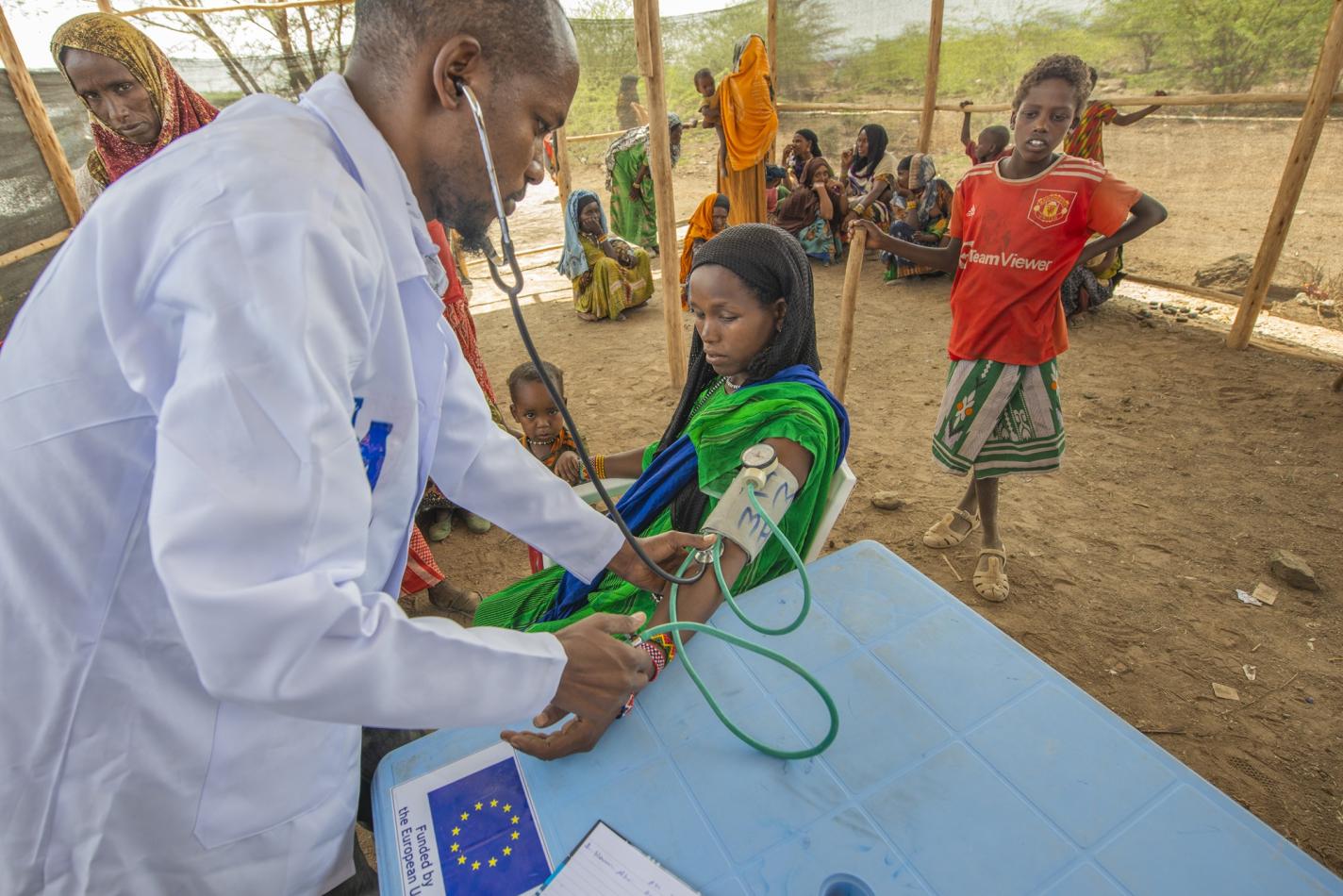
All ten survivors continue to suffer physical and psychological trauma resulting from the violence. Medical records obtained by Amnesty International confirm severe health complications, including obstetric fistula in at least two cases, a debilitating injury caused by violent rape. One survivor’s young child, beaten with a rifle butt during an attack, required multiple surgeries and remains in critical condition.
Despite the existence of some post-rape care facilities in the Sayo and Anfilo areas, survivors face significant barriers to accessing medical treatment. Many fear that healthcare workers may report them to OLA fighters. Others avoid seeking care due to social stigma, particularly fears of being associated with abortion services, which carry deep religious and cultural taboos in the community.
Amnesty International directly supported access to sexual and reproductive health services for five of the ten survivors, with additional safety measures put in place to reduce the risk of retaliation.
Calls for Accountability
Amnesty International’s report calls on the OLA to immediately cease all sexual violence and forced displacement of civilians, to publicly acknowledge the abuses carried out by its fighters, and to cooperate with independent investigations. It also calls on the Ethiopian federal government to conduct credible, independent investigations into CRSV committed by both OLA fighters and members of the ENDF.
The organization is further urging international mediators, including IGAD and the governments of Kenya, Norway, and the United States, to ensure that survivors’ voices are included in any peace negotiations, and that accountability is not traded away in pursuit of a ceasefire.
Survivors themselves expressed a range of desires for justice, from prosecution of perpetrators to a simple wish for peace and the ability to return home.
As one 18-year-old survivor put it: “I hope they will return to their home and we will have peace. That is how what happened to me can end.”
Source: Amnesty International Research Briefing — “No One Came to My Rescue”: Gang Rape, Sexual Slavery, and Mass Displacement of Women in Oromia, Ethiopia (Index: AFR 25/0774/2026, March 2026). Available at amnesty.org.