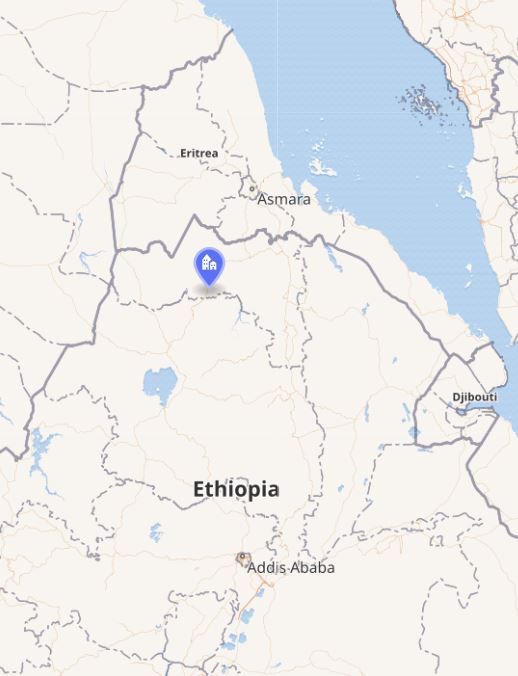
A prolonged drought in Tselemt District, part of the North Gondar Zone in Ethiopia’s Amhara Region, has left 16 people dead and pushed hundreds of families out of their homes, according to local administrative officials.
Tilahun Gebremichael, administrator of Meraw Kebele, told the Ethiopian outlet Addis Maleda that no meaningful rain has fallen in the area since March 2026. The extended dry spell wiped out crops before harvest, left households without food reserves, and killed large numbers of livestock that families depend on for income and survival.
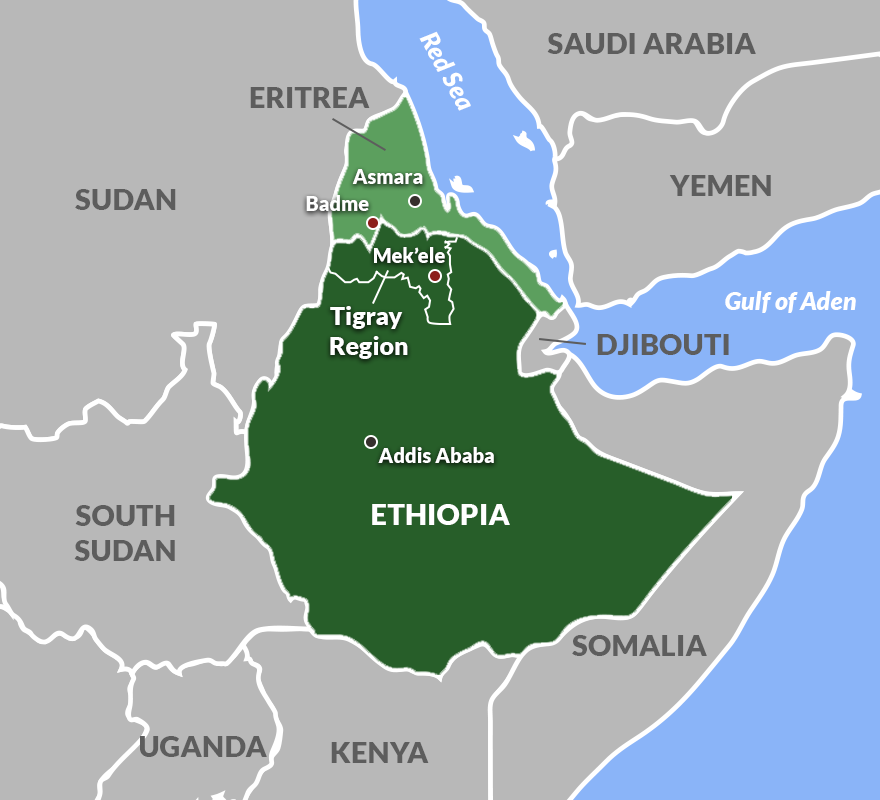
According to Tilahun, roughly 488 households from Meraw Kebele alone have already left the area, most moving toward Western Tigray in search of food, water, and work. He said the total number of displaced families across the wider district is now approaching 500, as failed planting seasons stripped farmers of any cushion against the shock.
The hardship has spilled into public protest. Tilahun said hungry residents have staged peaceful demonstrations calling on federal and regional authorities to send emergency food assistance. Local officials have compiled records of the deaths, the displacement, and livestock losses and forwarded them to zonal and regional administrations, he said — but as of this week, no emergency relief has reached the district. The only support residents have received so far comes through the government’s routine safety-net program for registered vulnerable households, which local leaders say cannot absorb a shock of this scale.
Tilahun warned that without urgent help from Ethiopia’s National Disaster Risk Management Commission and international aid groups, the district could see far greater loss of life in the coming months.
Part of a Wider Regional Crisis
Tselemt’s crisis is unfolding against a backdrop of chronic drought stress across northern Ethiopia. Humanitarian tracking group FEWS NET has repeatedly flagged North Gondar and neighboring zones of Amhara, along with parts of Tigray and Afar, as facing Crisis-level (IPC Phase 3) or worse food insecurity through 2026, driven by a mix of poor rains, conflict-related access constraints, and rising fuel and food prices. Aid agencies operating in the region have also noted that funding shortfalls have forced reduced food rations even where distributions are reaching people.
Similar drought damage has been reported elsewhere in Ethiopia’s north in recent months, including livestock die-offs and crop failures in parts of Tigray, underscoring how consecutive poor rainy seasons are compounding years of conflict-related displacement and economic strain across the region.
Source: Reporting based on Borkena’s coverage of an Addis Maleda interview with Meraw Kebele Administrator Tilahun Gebremichael, with additional regional context from FEWS NET.