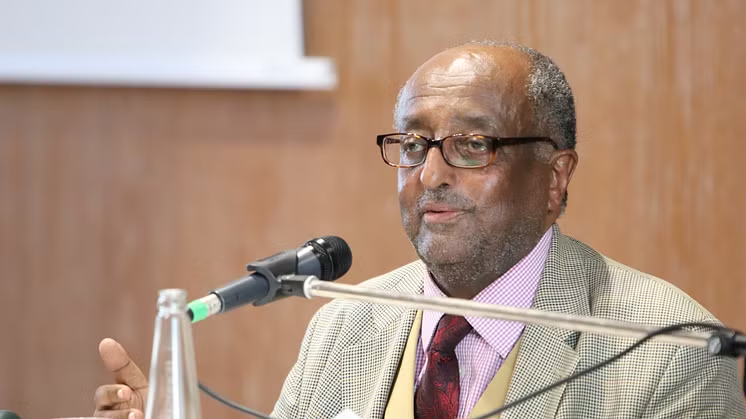
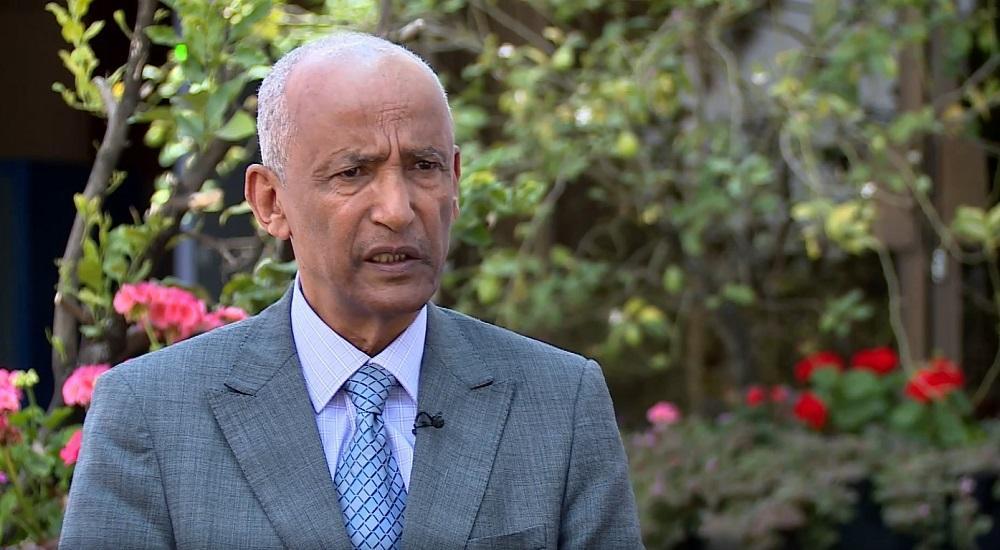
A European-based Amhara advocacy organization has published an open letter to Professor Mesfin Araya, chairman of Ethiopia’s National Dialogue Commission, urging him to distance himself from a process it says cannot deliver genuine peace under current conditions.
The Amhara Advocacy Group in Europe (AAGE) addressed the letter directly to Araya, a psychiatrist and academic who leads the commission, framing its appeal as one professional to another rather than a purely political attack. The group argued that a credible national dialogue depends on conditions it says are currently missing in Ethiopia.
AAGE’s Core Objections
According to the letter, AAGE’s concerns center on four points:
- Freedom of expression. The group alleges that dissent in Ethiopia is met with detention and, in some cases, worse, and cites the unresolved killing of engineer Simegnew Bekele, the detention of two members of parliament stripped of immunity, and the imprisonment of several journalists and other individuals as examples of what it calls a climate of fear.
- Political prisoners. AAGE says the continued detention of scholars, journalists, and opposition figures, some allegedly pressured into confessions, undermines the legitimacy of any dialogue conducted while they remain jailed.
- Inclusivity. The letter argues that a dialogue process must include voices beyond the ruling Prosperity Party, naming several prominent Ethiopian political figures currently in exile or otherwise excluded from participation.
- Active conflict. AAGE contends that ongoing military operations in Amhara, Oromia, Benishangul-Gumuz, and Tigray are incompatible with genuine negotiation, and suggests the broader dialogue effort may be intended to extend the current leadership’s hold on power, including a possible shift from a parliamentary to a presidential system, rather than produce a lasting settlement.
The group closed its letter by calling on Araya to reflect on whether the process serves ordinary Ethiopians or a narrower political agenda, and by urging him to disassociate himself from an initiative it predicts will be remembered as a tool of continued one-party rule rather than a genuine path to reconciliation.
Part of a Broader Pattern of Criticism
AAGE’s letter is not an isolated complaint. Ethiopia’s National Dialogue Commission, established in late 2021 to help resolve the country’s political and ethnic divisions, has faced sustained criticism from a range of opposition parties, civic groups, and researchers over its independence, inclusivity, and pace.
The opposition National Movement of Amhara (NAMA) recently accused Dialogue Commission officials of interfering in discussions over Addis Ababa’s administrative status, while a coalition of Amhara delegates has separately petitioned the commission over what they describe as unequal treatment of their proposals during the process. Analysts tracking the dialogue, including researchers writing for the Institute for Security Studies and Ethiopia Insight, have similarly pointed to the exclusion of major armed and opposition groups, along with the conflicts still underway in Amhara, Oromia, and Tigray, as structural problems that limit the process’s credibility.
The commission itself has pushed back on such criticism. In a statement issued this month, it maintained that the dialogue has operated independently and inclusively, saying it has reviewed complaints from parties such as NAMA and does not agree with their conclusions, and noting that critical parties remain active participants in the process.
Araya has also written publicly about the challenges facing the commission he leads, acknowledging in recent commentary that the dialogue suffers from what he described as legitimacy deficits, limited inclusion, and weak process design, and noting that key armed and opposition actors remain outside it.
Source: Based on an open letter published by the Amhara Advocacy Group in Europe (AAGE), with additional context from Fana Media Corporation, Wazema Radio, the Institute for Security Studies (ISS Africa), Ethiopia Insight, and commentary attributed to Professor Mesfin Araya.