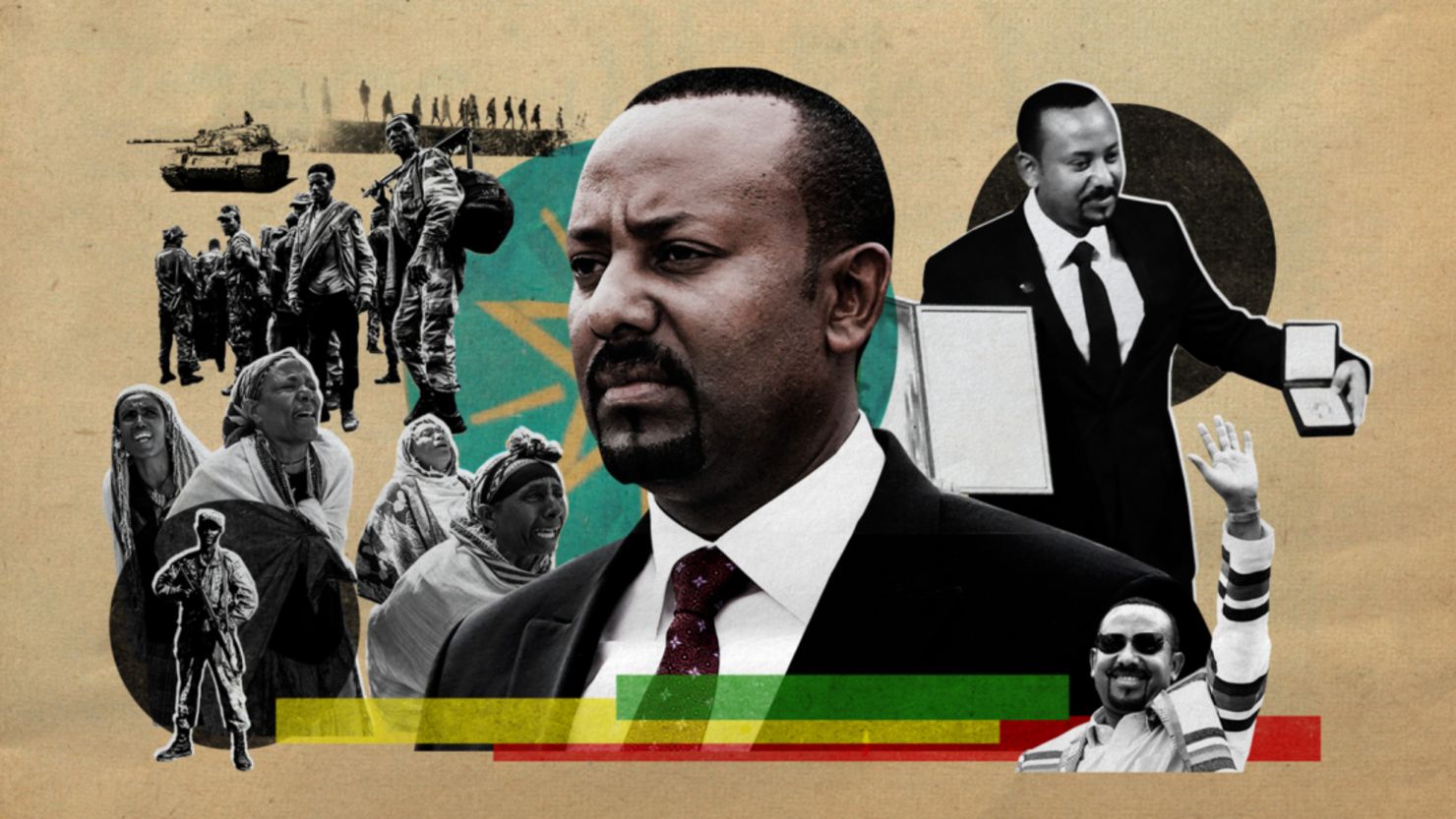
As Ethiopia inches closer to its June 2026 national elections, a growing chorus of analysts, journalists, and opposition voices are raising serious doubts about whether the upcoming vote will represent genuine democratic participation, or a carefully orchestrated performance designed to preserve Prime Minister Abiy Ahmed Ali’s grip on power.
A Predetermined Result?
Ethiopian commentary outlet Borkena published a sharp opinion piece on March 8, 2026, arguing that the election’s outcome is already decided. The piece contends that Abiy Ahmed intends to first secure a parliamentary victory before steering a constitutional shift from a parliamentary to a presidential system, a move that would effectively consolidate his power under a new title. The author draws comparisons to similar maneuvers made by other long-serving leaders who have alternated between political roles to extend their tenures indefinitely.
Opposition in Name Only
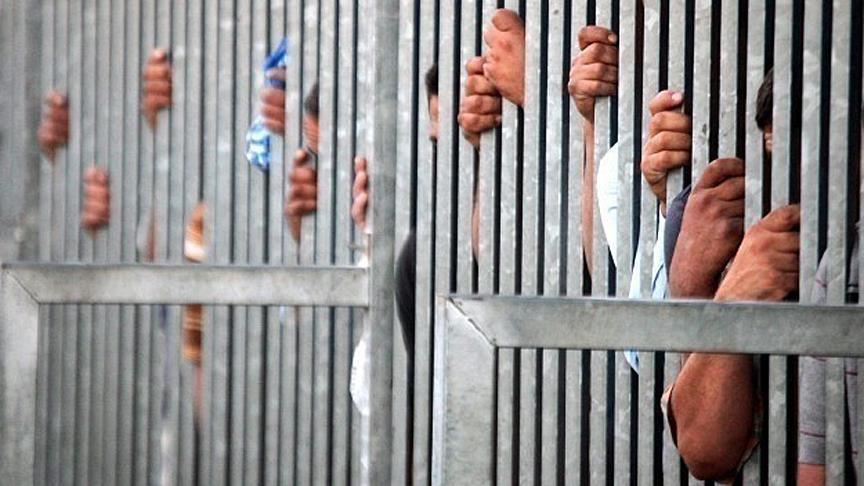
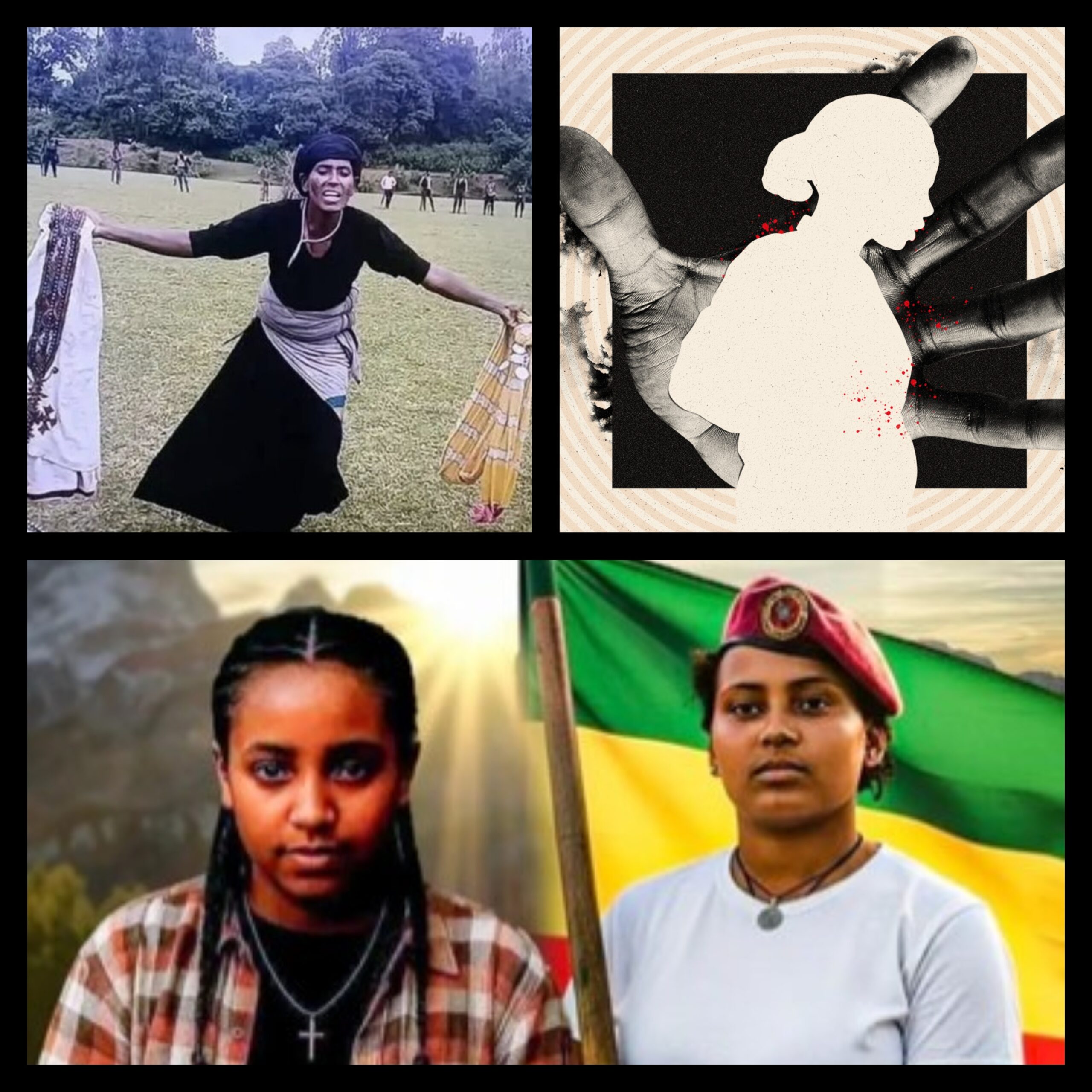
Across multiple Ethiopian political observers, parties such as the National Movement of Amhara (NMA) and Ethiopian Citizens for Social Justice (ECSJ) appear to have been positioned by the ruling establishment to simulate competitive politics rather than provide a genuine challenge. Credible politicians, including Genet from ECSJ and Christian Tadele from NMA, have been imprisoned, sidelined, or forced into exile, while figures perceived as loyal to the prime minister continue to operate freely.
A Pattern of Suppression
Addis Standard has noted that since 2020, more than 54 journalists have fled Ethiopia, and many opposition leaders are either in exile or imprisoned, conditions that risk turning the 2026 elections into a one-party coronation devoid of legitimacy.
Analysis from Africa Practice points to three fundamental failures threatening the credibility of the upcoming vote: a worsening security crisis, an incapacitated electoral board, and a fragile economy. The outlet also notes that in the 2021 elections, entire regions, including Tigray, were excluded from voting due to ongoing conflict, a dynamic that could repeat itself in 2026 across Oromia, Amhara, and parts of the Somali region.
The Gulf Factor
Regional geopolitics has also entered the conversation. The Horn Report describes the UAE’s heavy investment in Ethiopian infrastructure and military capacity, suggesting that the 2026 elections will not be a purely domestic affair but a geopolitical flashpoint in which regional rivalries may play out through local proxies. Critics argue that this transactional relationship insulates the prime minister from meaningful international accountability.
No Room for Public Enthusiasm
A Wazema analysis describes a striking public silence ahead of the June 2026 vote, noting that persistent armed confrontations in Amhara, Oromia, and Tigray, combined with deepening ethnic polarization and economic hardship, have created an environment not conducive to vibrant electoral competition. Substack For most Ethiopians, daily economic survival overshadows electoral politics entirely.
Democratic Backsliding — a Longer Story
Ethiopia’s democratic struggles predate 2026. The Conversation has reported that Ethiopia has now attempted democratic transition twice, first in 1991 after the fall of a military dictatorship, and again in 2018 when Abiy Ahmed took office amid widespread public excitement, and that both attempts ultimately failed to produce stable democratic governance.
According to Zehabesha, major international outlets, including BBC and NPR, reported that the 2021 elections did not meet democratic standards, with opposition parties facing repression and ongoing local conflicts making free campaigning effectively impossible, leading critics to argue the ruling Prosperity Party’s sweeping victory reflected limited competition rather than genuine public support.
International Silence
Critics argue that the international community, aware of the conditions on the ground, is choosing strategic silence over principled condemnation. As long as bilateral interests remain intact, Ethiopia’s democratic deficit is unlikely to prompt meaningful foreign pressure ahead of election day.
The Stakes
Analysts warn that without genuine reforms, including proportional electoral representation, independent electoral bodies, and credible international observation, Ethiopia risks descending further into authoritarianism marked by ethnic tensions, human rights abuses, and political instability. Whether June 2026 becomes a turning point or another chapter in Ethiopia’s long struggle for genuine democracy remains to be seen.
Sources: Borkena (borkena.com), Addis Standard (addisstandard.com), Africa Practice (africapractice.com), Horn Report (hornreport.org), Wazema (wazema.substack.com), The Conversation (theconversation.com), Zehabesha (zehabesha.com)