ADDIS ABABA — A senior advisor to Ethiopian Prime Minister Abiy Ahmed has triggered a wave of outrage among Ethiopians living abroad after publicly suggesting that the diaspora has no place in shaping the country’s political future, a remark many are now calling one of the most divisive statements to come out of Addis Ababa in recent years.
Deacon Daniel Kibret, who serves as Social Affairs Advisor to the Prime Minister, delivered the controversial comments at a media conference organized under the theme “Media for National Interest,” where he argued that national sacrifice belongs exclusively to those physically present in Ethiopia. His message to millions of Ethiopians living overseas was, in essence, simple: stay out.
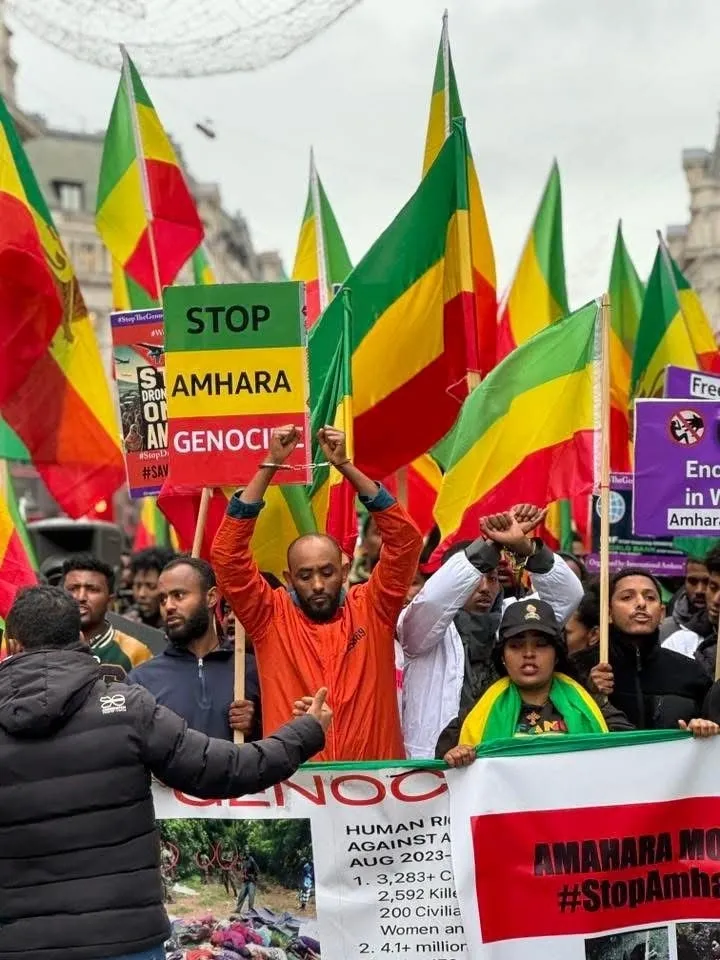
The remarks did not land quietly. Diaspora communities across the United States, Europe, and beyond reacted with immediate fury, pointing to what they called a glaring contradiction, a government that openly relies on billions of dollars in annual remittances from abroad, while simultaneously telling those same people their voices are unwelcome.
Critics have drawn attention to the broader implications of this kind of language. Political analysts warn that framing diaspora Ethiopians as outsiders carries echoes of rhetoric that, in other contexts, has preceded serious social and political ruptures. For a country already navigating deep internal tensions, the dismissal of an engaged and financially vital community abroad is being described as both reckless and shortsighted.
Prominent diaspora voices have been quick to push back. Many have argued that the Ethiopian diaspora is not simply a remittance machine, it is a community of people with deep cultural roots, family ties, and a genuine stake in their homeland’s future. The suggestion that distance disqualifies them from having a voice, critics say, fundamentally misunderstands what it means to be Ethiopian.
The backlash has also taken a practical turn, with some diaspora networks beginning to redirect remittance flows away from official banking channels as a form of quiet protest, while others are stepping up lobbying efforts with Western governments over Ethiopia’s human rights record.
Independent Ethiopian media outlet Addis Standard, which first documented the growing rift between the Abiy Ahmed administration and diaspora communities, noted that this exclusionary posture is not entirely new. Observers have long pointed out that the current government has shown little appetite for engaging critically with Ethiopians abroad, preferring applause over accountability during diaspora outreach events.
What makes the current moment different, analysts say, is the sheer boldness of the rhetoric. Where past administrations may have quietly sidelined diaspora criticism, the open declaration that Ethiopia belongs only to those who stayed has struck a nerve that shows no signs of healing soon.
For a Prime Minister who built much of his early international image on promises of unity and reconciliation, allowing a senior advisor to publicly draw a line between “real Ethiopians” and those in the diaspora may prove to be a deeply damaging miscalculation, one that risks turning a vital constituency from an asset into an opposition.
Source: Addis Standard, March 23, 2026