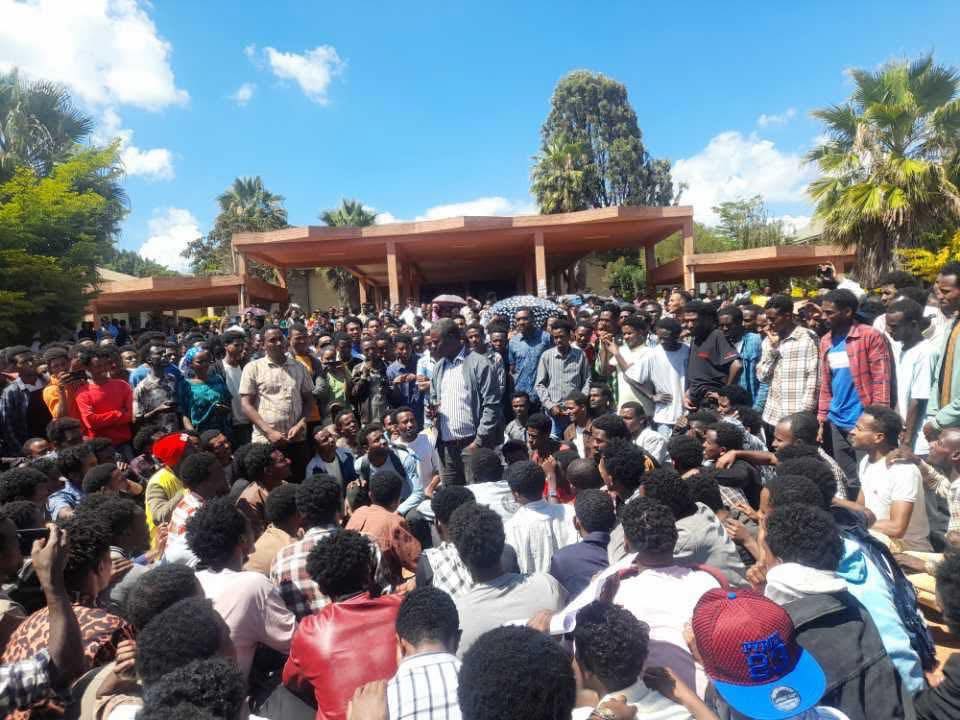

Residents of northern Ethiopia’s ancient city of Axum are gripped by anxiety as military forces mobilize along the borders with Eritrea and around the Tigray region, the same areas devastated by a brutal conflict between 2020 and 2022.
The mounting tensions have sparked an exodus from Tigray’s major cities. Flights from Mekelle are fully booked, bus stations are overcrowded, and some residents are fleeing on foot to neighboring regions. The humanitarian situation is deteriorating rapidly, with widespread shortages of water, electricity, fuel, and food.
Lingering Trauma of Past Violence
For many residents, the prospect of renewed fighting reopens deep wounds. Abeba Desalegn, 59, whose brother was executed during the 2020 massacre, expressed the fear gripping her community: “Our wounds have yet to heal. The people of Tigray have yet to get any justice from the last war. To launch another conflict would be the end of us.”
The previous conflict claimed an estimated 600,000 lives through violence, famine, and disease. Atrocities in cities like Axum, once a UNESCO World Heritage Site, left communities devastated and searching for accountability that has not materialized.
Political Tensions and Military Buildups
Ethiopia’s leadership is demanding access to a Red Sea port, raising concerns about potential military incursion into Eritrea. Meanwhile, all sides are accusing each other of preparing for war. Prime Minister Abiy Ahmed has warned of Tigrayan weapons purchases and conflict incitement, while Eritrean officials counter that the government has a “war agenda.”
International analysts are sounding alarms. The Critical Threats Project predicted in late February that military action could occur within weeks. The International Crisis Group warns that numerous flashpoints and unresolved grievances create significant escalation risks.
Regional Implications
Experts caution that a new conflict could spread far beyond Tigray. The war could become entangled with Sudan’s ongoing crisis and potentially draw in Egypt and Gulf states. Additionally, insurgencies in other Ethiopian regions could exploit the instability, destabilizing the entire nation.
The United States and other international actors are urging restraint, with Secretary of State Marco Rubio recently engaging with Prime Minister Abiy about regional stability. However, observers remain deeply concerned about the trajectory of events in the Horn of Africa.
Source: The Globe and Mail, March 2026