Arsi’s Blood and the Ballot Box: Massacres of Orthodox Christians Shadow Ethiopia’s 2026 “Election”

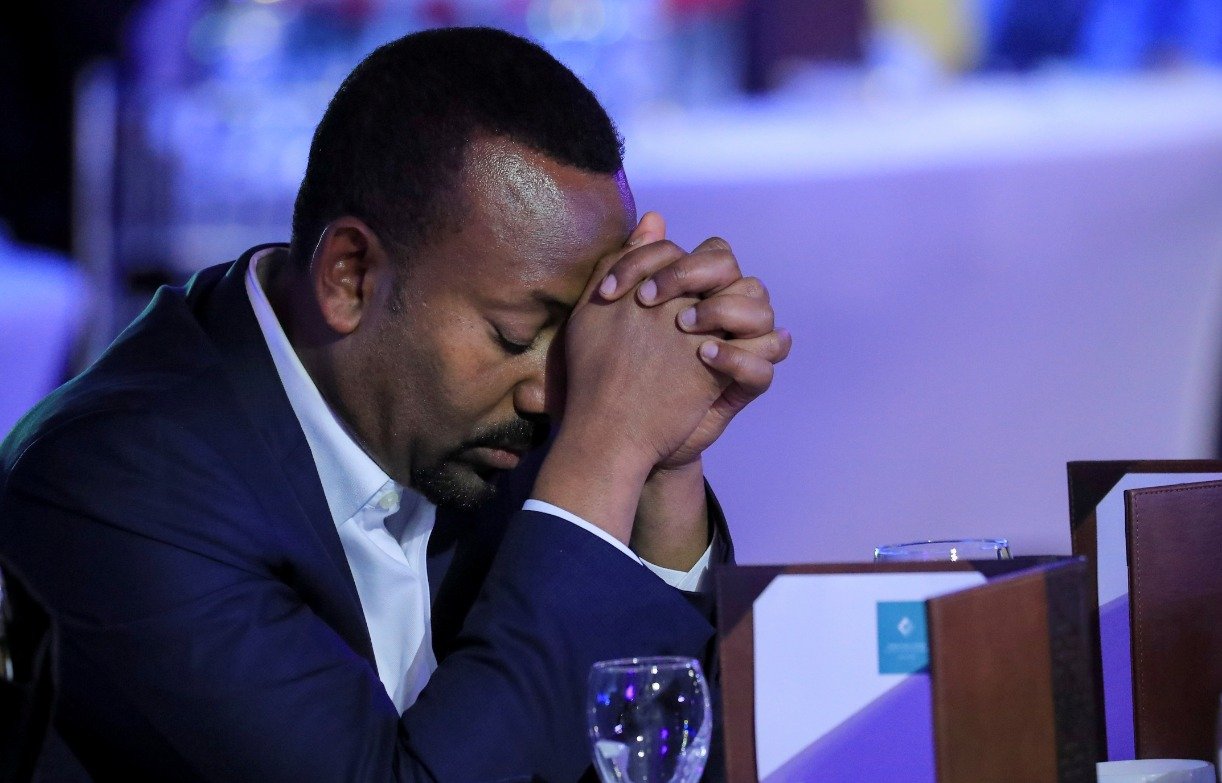
A wave of deadly violence against Orthodox Christian communities in the Arsi Zone of Ethiopia’s Oromia Region has intensified in the weeks leading up to the country’s general election, scheduled for June 1, 2026, raising urgent questions about whether Prime Minister Abiy Ahmed’s government is capable of, or willing to, protect its own citizens while staging what critics describe as a deeply flawed democratic exercise.

Arsi: A Crisis Ignored

According to a detailed analysis published by Borkena, one of Ethiopia’s leading independent news outlets, targeted killings of Amhara Orthodox Christians in districts including Shirka, Merti, Guna, and Holonto have been ongoing for more than six months without adequate government intervention. The report, authored by Prof. Girma Berhanu of the University of Gothenburg, draws a stark moral comparison to the Holocaust, describing the systematic nature of the violence as a warning that history’s darkest lessons are going unheeded.

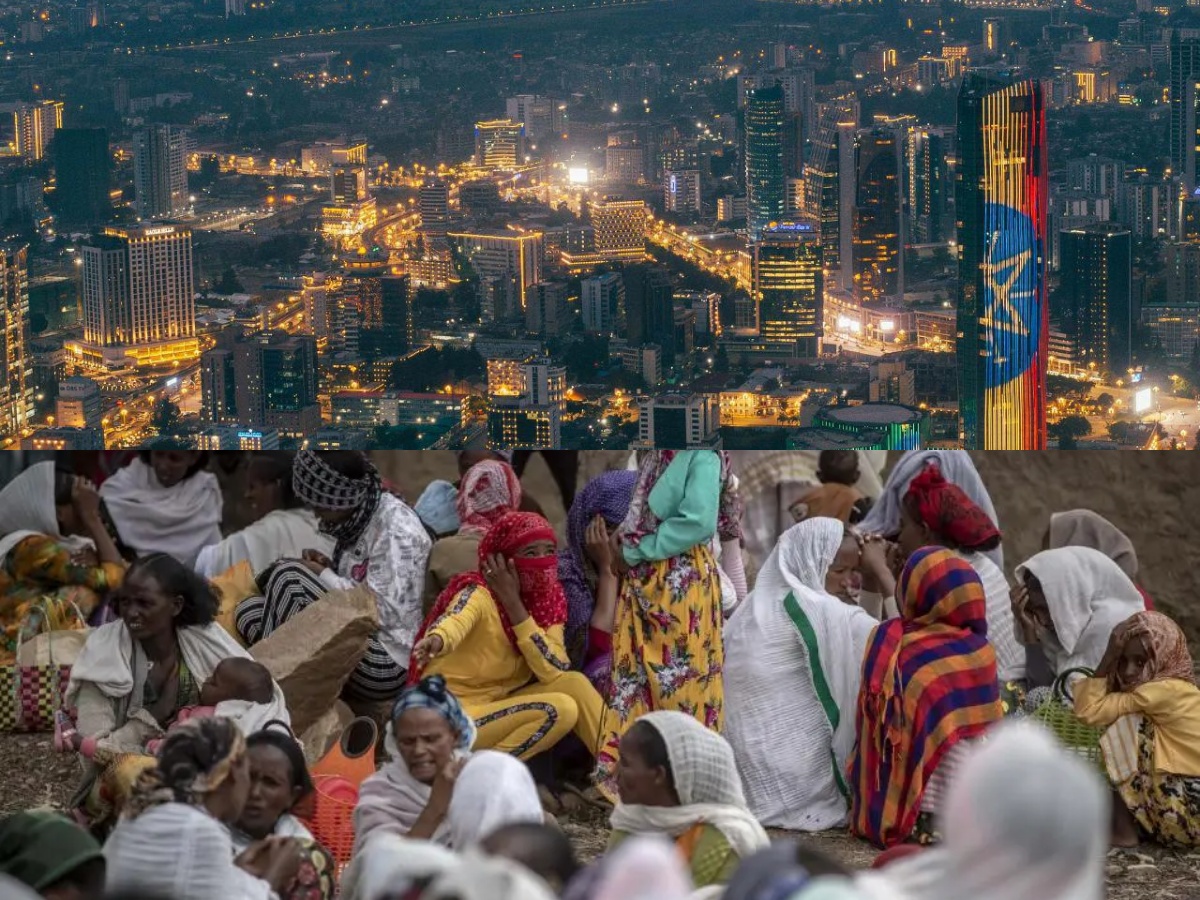
The scale of the violence is staggering. According to ImpACT International, more than 40 civilians were killed following coordinated attacks beginning February 26, 2026, with assailants reportedly using machetes and firearms in what analysts describe as a pattern consistent with organized, professionally trained forces rather than random opportunistic violence. The Ethiopian Human Rights Commission (EHRC), in its March 2026 report, confirmed dozens of deaths across Shirka and Merti districts, alongside abductions, injuries, and mass displacement.

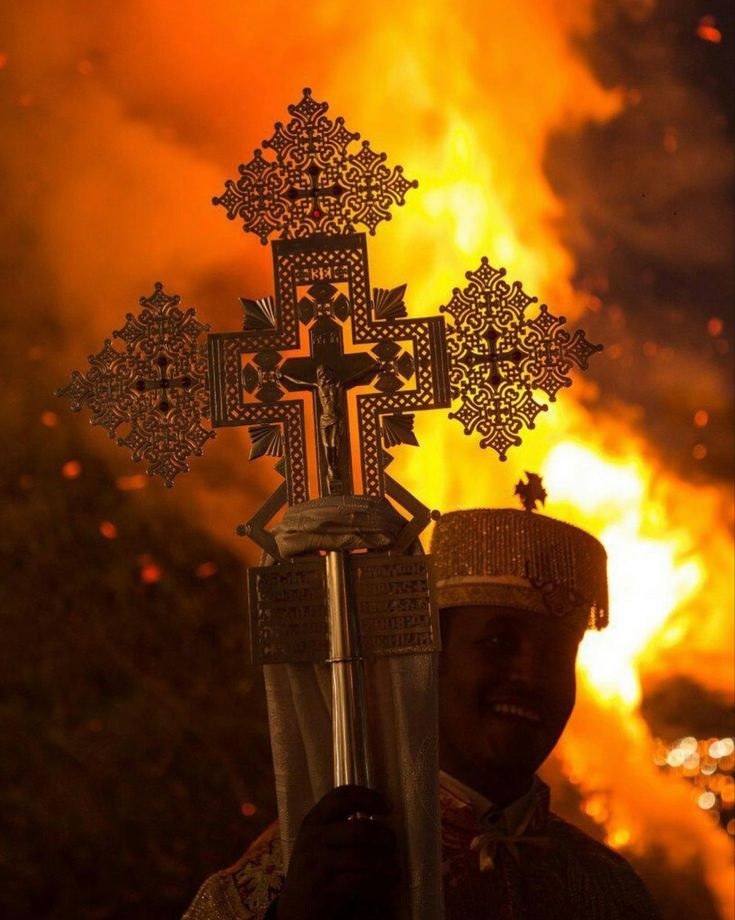
ACI Africa reported that Ethiopia’s Catholic Bishops’ Conference condemned the killings in the strongest possible terms, declaring that the targeting of innocent civilians can never be justified by religion, ethnicity, or political interest, and demanding that authorities identify and prosecute the perpetrators. Three of the country’s most prominent inter-faith bodies, the Ethiopian Orthodox Tewahedo Church, the Inter-Religious Council of Ethiopia, and the Ethiopian Islamic Affairs Supreme Council, all issued joint condemnations, a rare show of unified religious outrage.

According to Borkena, the confirmed death toll in Shirka district alone has now reached 164 over the past several months, with 8 hospitalized survivors, 8 missing persons, and 2 confirmed abductions following the most recent assault. The Amhara Fano National Movement described the killings as a state-sponsored campaign of terror orchestrated by the Prosperity Party regime, while the Oromo Liberation Army, itself blamed by the government for many attacks, claimed that unidentified mercenaries were deliberately targeting Christians to destabilize inter-ethnic and inter-religious relations ahead of the vote.

The European Centre for Law and Justice (ECLJ), which had previously alerted the UN Human Rights Council to the risk of genocide against Amhara communities, documented that attacks in the Arsi Zone have taken more than 190 lives since 2021, and confirmed that similar faith-based violence has spread to Catholic communities in the West Harerge zone.

The 2026 Election: Violence as a Political Tool

The Arsi massacres are unfolding in the shadow of an election that multiple international outlets and analysts say is set to be anything but free or fair. As Africa Practice reported, the June 2026 vote is shaping up as a replay of the deeply flawed 2021 election, but with higher stakes. In 2021, the ruling Prosperity Party swept parliamentary seats largely because competitive voting was physically impossible or politically managed across large swaths of the country. Roughly one-fifth of parliamentary seats are still vacant today as a direct result.

Addis Standard reported that the current media and civil society environment is the most repressive since Abiy Ahmed came to power in 2018. The government has arbitrarily detained journalists, revoked media licenses, and restricted access to conflict zones. More than 54 journalists have fled the country since 2020, while opposition leaders remain either imprisoned or in exile.

Foreign Policy concluded bluntly that the June 2026 elections are poised to consolidate one-party rule for the Prosperity Party, warning that insecurity across Tigray, Amhara, and Oromia may derail voting in several regions, and that the result will likely face widespread accusations of illegitimacy. The Africa Center for Strategic Studies similarly observed that while 23 parties have been formally accredited for the vote, many are viewed by political actors as extensions of the ruling party rather than genuine competition.

The Horn Report described the broader political situation as a convergence of crises: the National Dialogue Commission, intended to build pre-election consensus, is widely seen as an arm of the Prosperity Party rather than a neutral body, while key stakeholders in Oromia and Amhara view any dialogue conducted while their leaders remain imprisoned as performative rather than substantive.

Bloodshed as Distraction, Silence as Complicity

What emerges from the combined picture is deeply troubling: a government preparing to hold an election it promises will be its “best ever,” while communities in Arsi and across Oromia are burying their dead with no accountability in sight. As Addis Standard‘s analysis warned, the government has historically used ongoing conflicts as a pretext to delay elections, suppress dissent, or simply push forward with a ballot that excludes millions of its own citizens.

For the Amhara Orthodox communities of Arsi, the election is an abstraction. Their immediate reality, as documented across multiple credible outlets, is one of recurring massacres, destroyed homes, abducted relatives, and a state that has yet to bring a single perpetrator to justice.

As Prof. Berhanu concluded in his Borkena analysis, the current crisis is the product of a leadership defined not by moral intelligence, but by a willingness to use ethnic and religious division as a tool of political survival. In a country preparing to vote, those two realities — Arsi’s dead and Abiy’s ballot box — cannot be separated.


Sources referenced in this article:

  • Borkena (borkena.com) — primary analysis on Arsi atrocities and moral framing
  • ImpACT International (impactpolicies.org) — detailed casualty and attack documentation
  • ACI Africa (aciafrica.org) — Catholic Bishops’ condemnation
  • Addis Standard (addisstandard.com) — EHRC statement; 2026 election repression analysis
  • Ethiopian Human Rights Commission (EHRC) — March 2026 field report
  • European Centre for Law and Justice / ECLJ (eclj.org) — genocide risk alerts, UN submissions
  • Africa Practice (africapractice.com) — electoral dilemma analysis
  • Africa Center for Strategic Studies (africacenter.org) — 2026 election spotlight
  • Foreign Policy (foreignpolicy.com) — one-party consolidation prediction
  • Horn Report (hornreport.org) — convergence of crises analysis
  • Africanews / TRT Afrika — election date confirmation