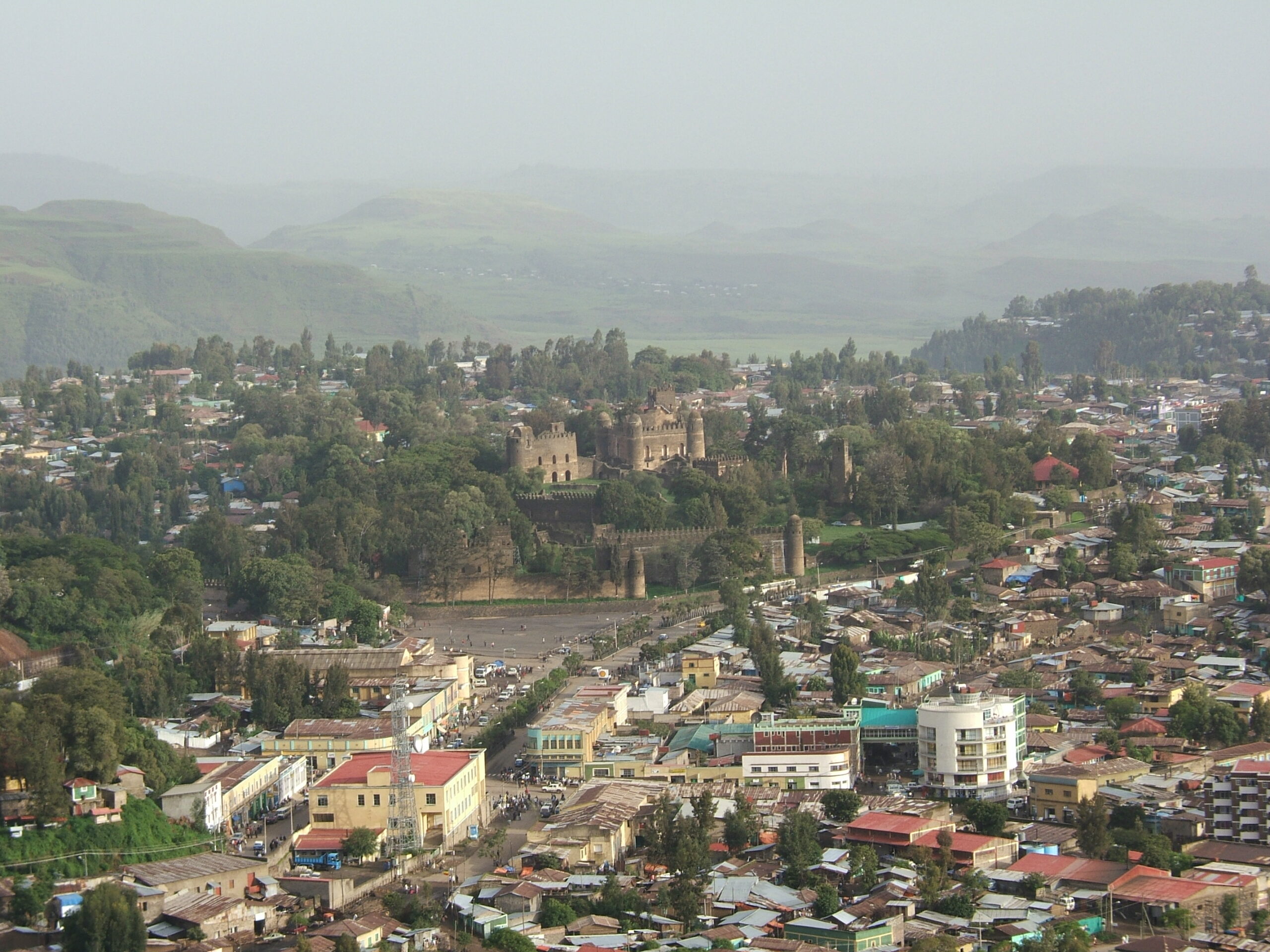
A deadly attack on a small town in South Gondar Zone, Amhara Region, has left seven people dead and a church severely damaged, according to eyewitness accounts gathered from survivors and residents on the ground. The victims included two church deacons, a pastoral teacher, a veterinarian, and three farmers, all residents of the town of Sali, a settlement roughly 25 kilometers from the capital of Lai Gyent district.
What Happened in Sali
According to witnesses, the violence erupted after government forces arrived in the area following a public call encouraging residents to collect their voter registration cards ahead of upcoming elections. Fano forces, an Amhara self-defense movement, were already present and in control of the town. When soldiers arrived for what was reportedly described as an election-related meeting, a confrontation broke out, quickly escalating into an armed clash.
In the midst of the fighting, a group of church servants at the Debre Birhan Sali Bala Ezgi Church were gathered in the churchyard sharing a traditional meal following morning services, a common Christian practice in the region. Witnesses say a large contingent of soldiers then entered the church compound.
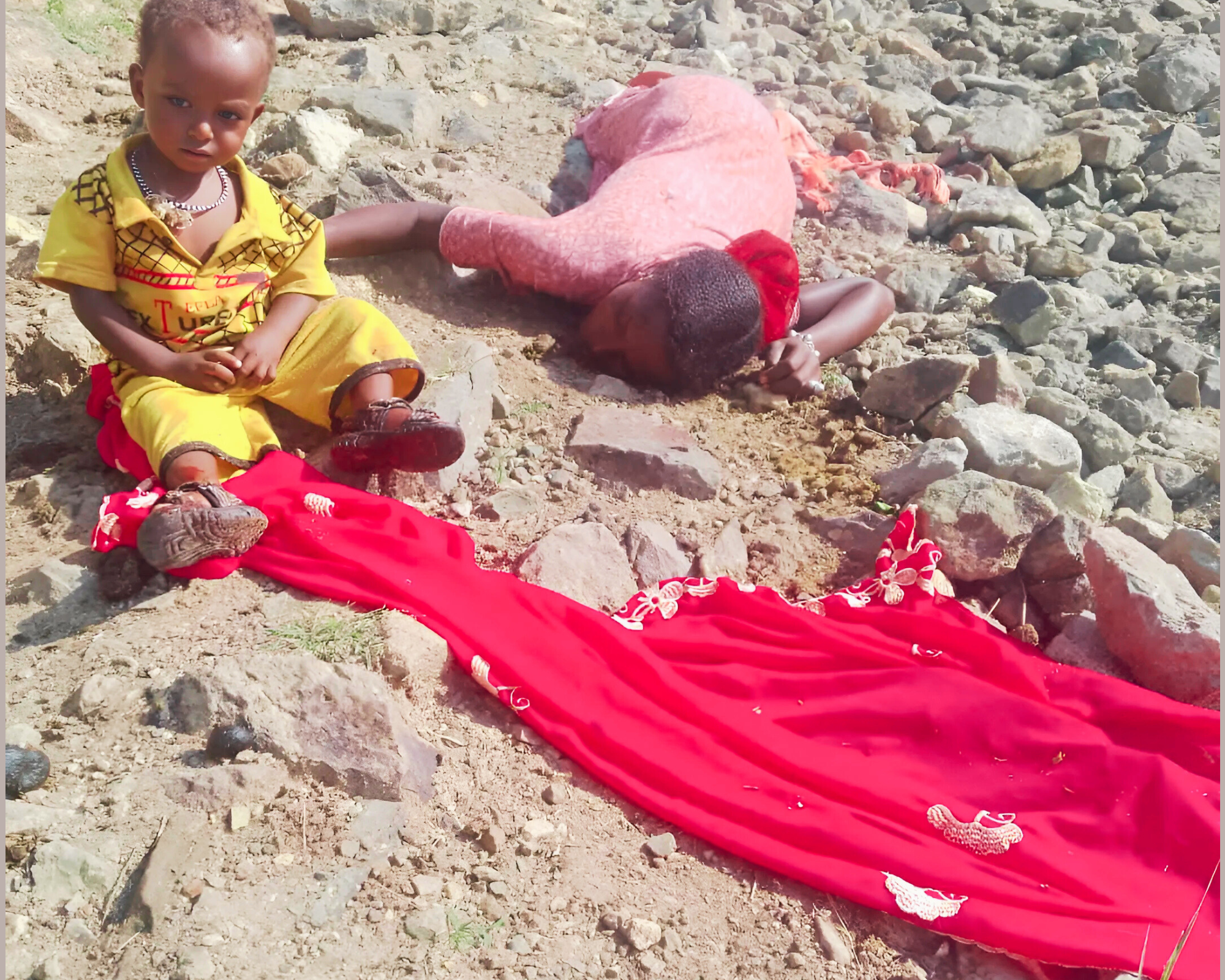
According to survivors, church guards were beaten before soldiers forced the gathered servants to lie face-down on the ground. Several were struck with weapons and batons. Shots were then fired at the group. At least two deacons and a pastoral teacher were killed in the churchyard. Three additional people were killed inside their homes and one individual was shot dead on a public road near a local bank after allegedly being accused of carrying a weapon.
One survivor recounted the horror of the moment, saying those who survived ran instinctively when a commanding officer reportedly ordered the shooting to stop. Another described feeling certain he would not survive.
Grief and Fear Grip the Community
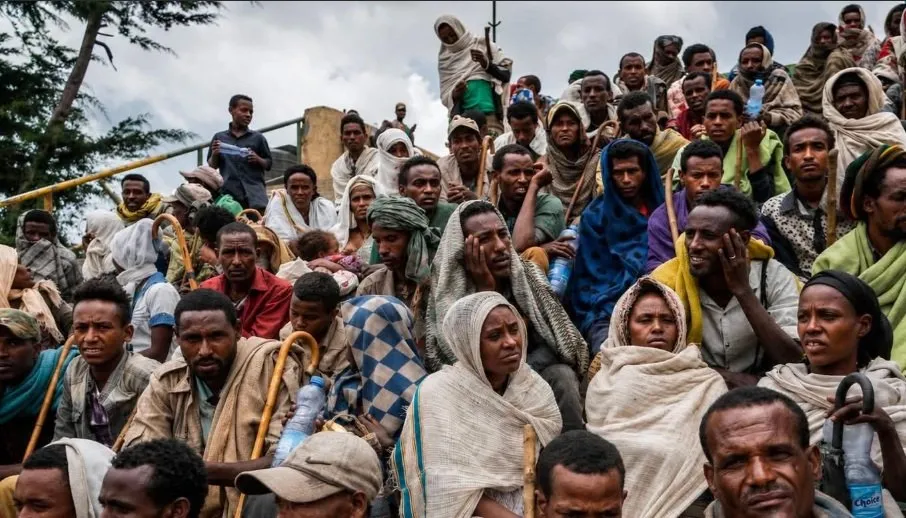
The aftermath of the attack has left the community of Sali in profound shock. Residents described the burial process as chaotic and deeply distressing, carried out at night, in two mass graves, due to the severity of injuries sustained by the victims and ongoing security concerns in the area.
One father, whose 21-year-old son, a deacon, was among those killed, spoke to reporters in visible anguish, saying he arrived at the scene to find his son’s body alongside other victims. He described the loss as unbearable and called the killings brutal and senseless.
The town’s church, a spiritual anchor for the local community, suffered significant structural damage during the attack. The sanctuary roof and walls were struck, leaving the building in a state of partial collapse. Church leaders confirmed that the premises have been closed since the incident, with surviving members of the congregation too frightened to return.
Religious observance in the town has been suspended. The monthly feast day of Saint Michael, normally a significant occasion in the Ethiopian Orthodox calendar, went uncommemorated following the killings. Surviving clergy members said they were unable to conduct proper services, noting that their community remains incomplete in the wake of the loss.
No Response From Authorities
The BBC Amharic Service, which first reported on the incident, reached out to administrators of both Lai Gyent District and South Gondar Zone for comment. Both declined to respond.
A Region Under Strain
The attack in Sali is the latest incident in a prolonged and intensifying conflict between Ethiopian government forces and Fano fighters across the Amhara Region. South Gondar Zone in particular has seen repeated clashes in recent months, with civilians increasingly caught in the crossfire between the two sides. The killings have deepened fears among local populations about safety and the prospect of holding meaningful elections in areas where armed conflict continues to rage.
Human rights organizations and international observers have repeatedly called on all parties to protect civilians and uphold international humanitarian law, but violence on the ground shows few signs of abating.
Source: BBC News Amharic (bbc.com/amharic)