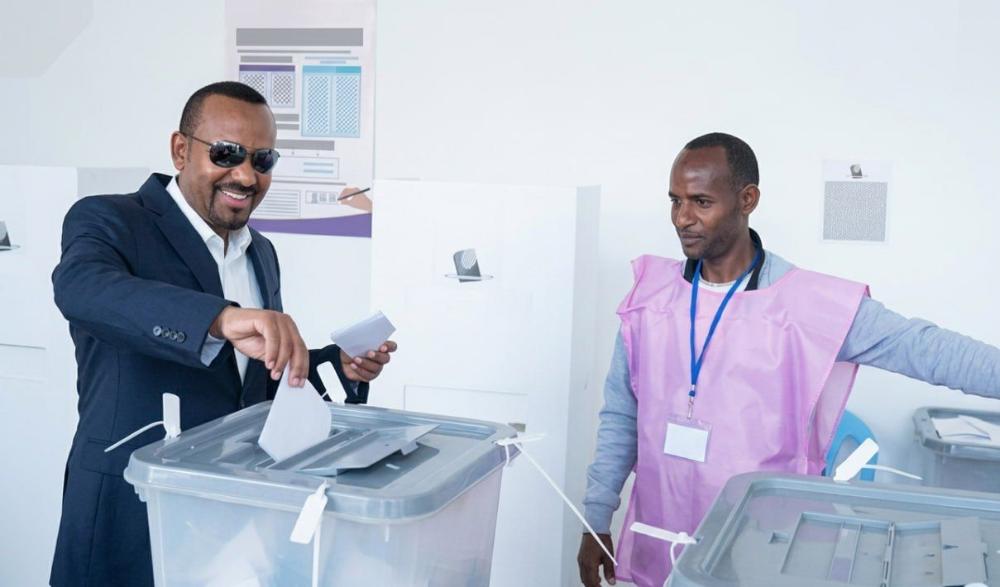
Ethiopia is approaching its June 1 parliamentary elections as one of Africa’s most ethnically diverse and conflict-ridden nations, with fighting across multiple regions casting a long shadow over a vote that was meant to signal a new chapter of stability.
Home to roughly 135 million people, Ethiopia is Africa’s second most populous country. More than 50.5 million voters have registered to cast ballots for all 547 parliamentary seats, with official results expected around June 11. Prime Minister Abiy Ahmed’s Prosperity Party currently dominates the legislature, holding 457 of those seats since coming to power in 2018.
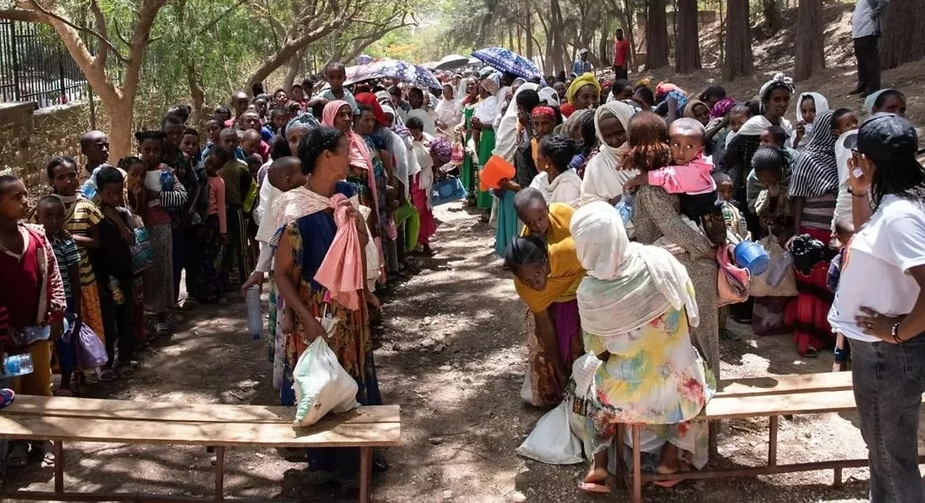
On the economic front, the International Monetary Fund projects Ethiopia’s economy will expand by 9.2 percent in 2026, the highest growth rate on the continent. However, inflation running at nearly 12 percent, persistent foreign exchange shortages, and the enormous cost of post-war reconstruction continue to weigh heavily on ordinary citizens.
A Nation of Diversity and Division
Ethiopia is home to more than 80 distinct ethnic groups, a reality that shapes both its political structure and its conflicts. The Oromo are the largest group, comprising around 35 percent of the population, followed by the Amhara at roughly 24 percent, historically the most politically influential. Smaller but significant communities include the Somali, Tigrayan, and Sidama peoples. The country operates under a federal system introduced in 1992 in which most of its 12 regional states are organized around a dominant ethnic group.
Years of Unrelenting Conflict
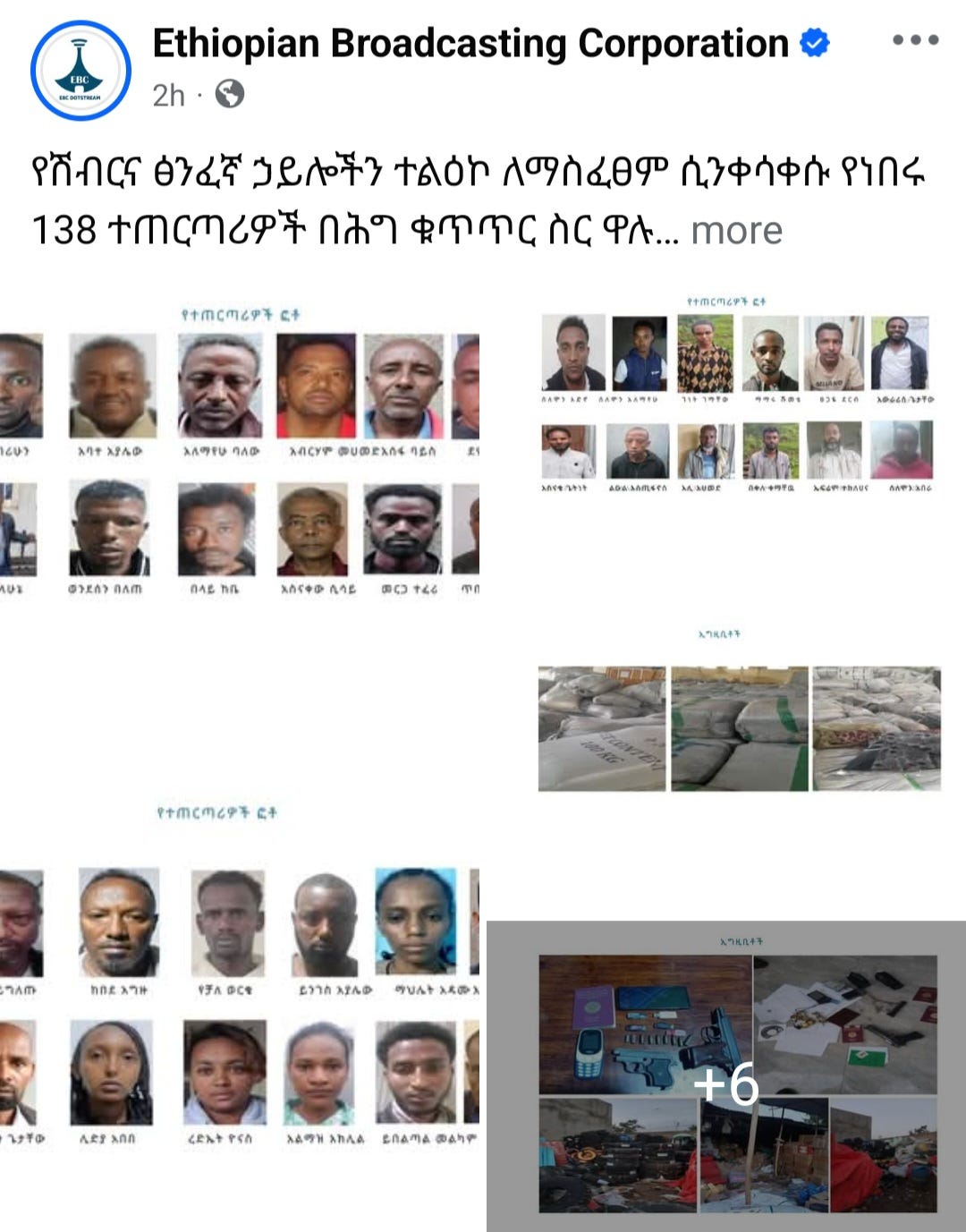
Since 2020, Ethiopia has experienced near-continuous armed conflict across several fronts. The war in Tigray, fought between federal forces and their allies on one side and Tigray’s defense forces on the other, lasted from 2020 to 2022 and ended with a peace agreement. However, renewed clashes broke out again in January 2026, threatening to unravel that fragile settlement.
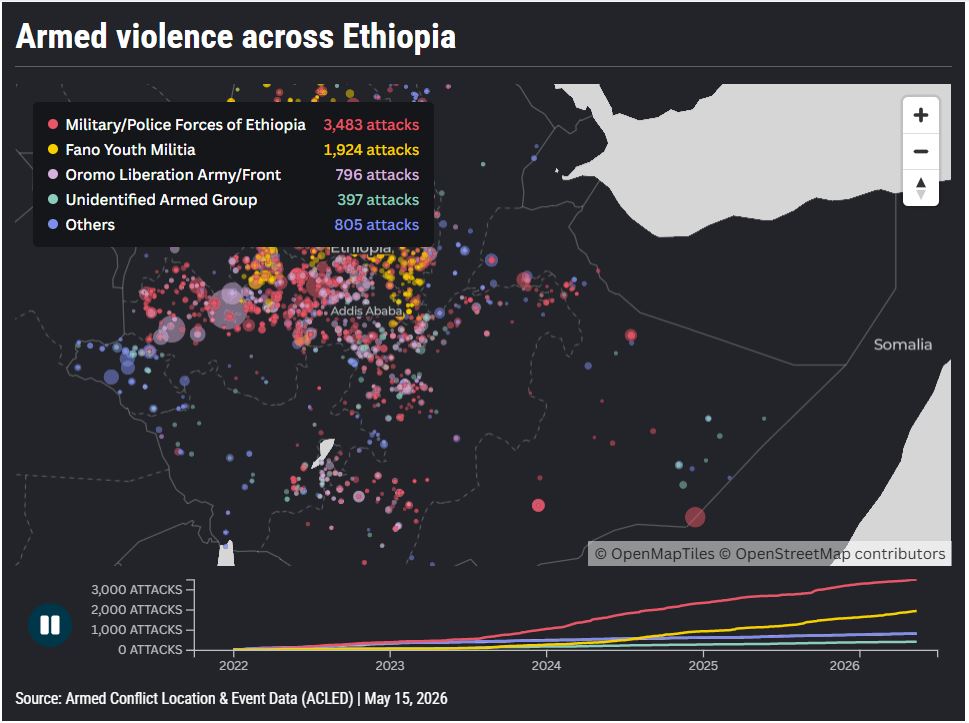
In Oromia, conflict involving the Oromo Liberation Army has persisted since 2019, resulting in thousands of civilian deaths. Despite a peace deal signed in late 2024, reports of enforced disappearances and attacks on civilians have continued. In Amhara, the breakdown of an alliance between regional militias and federal troops has led to sustained fighting between the Fano self-defense force and national forces, with clashes recorded across more than 31 districts.
Independent conflict monitoring data covering January 2022 through mid-May 2026 recorded over 7,400 attacks across the country. The Amhara region accounted for more than half of those incidents, with over 3,700 recorded events, while Oromia logged nearly 2,735. Tigray and the western Gambela region also registered significant instability.
As millions prepare to vote, the combination of deep ethnic divisions, unresolved armed conflicts, and economic hardship presents a formidable challenge to any vision of a unified and peaceful Ethiopia.
Source: Al Jazeera — Reporting by Amr Alkazaz and Mohamed Hussein. Published May 29, 2026.