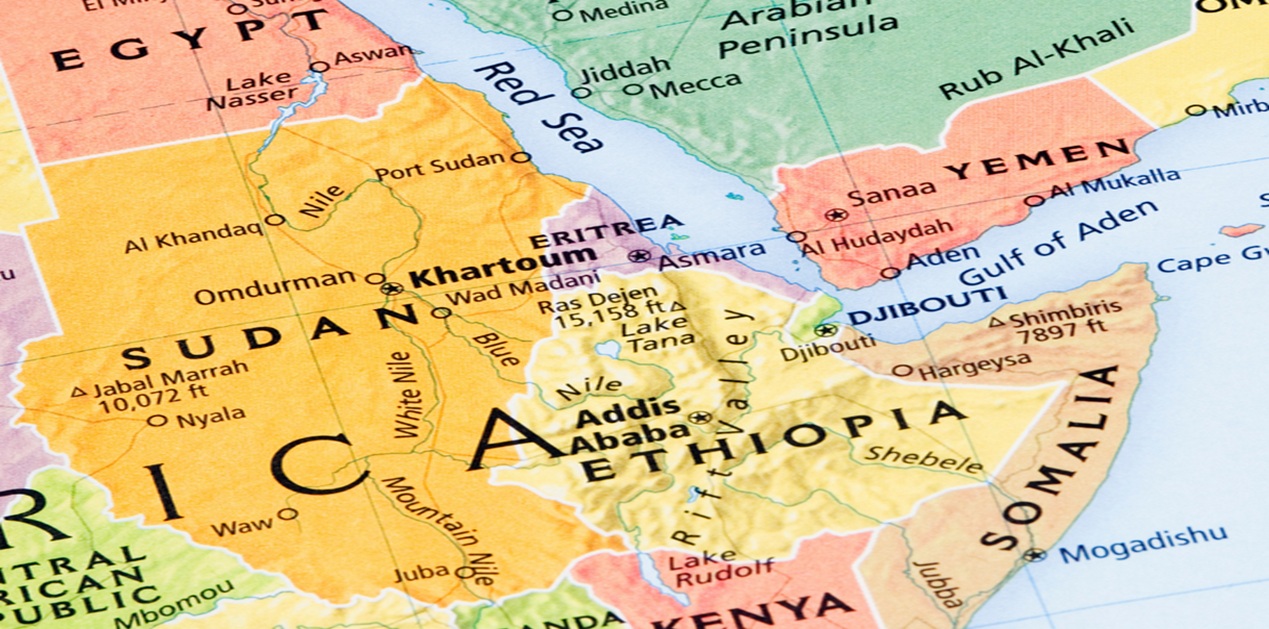
Escalating tensions between Ethiopia and Eritrea could trigger a large-scale conflict drawing in between 10 and 15 countries across three continents, potentially evolving into what analysts are describing as “Africa’s Second World War.”
That stark warning came from Kjetil Tronvoll, a professor of peace and conflict studies at Oslo New University College, who told Anadolu Agency that relations between Addis Abeba and Asmara have reached their most dangerous point since the devastating border war the two nations fought between 1998 and 2000.
A Relationship in Freefall
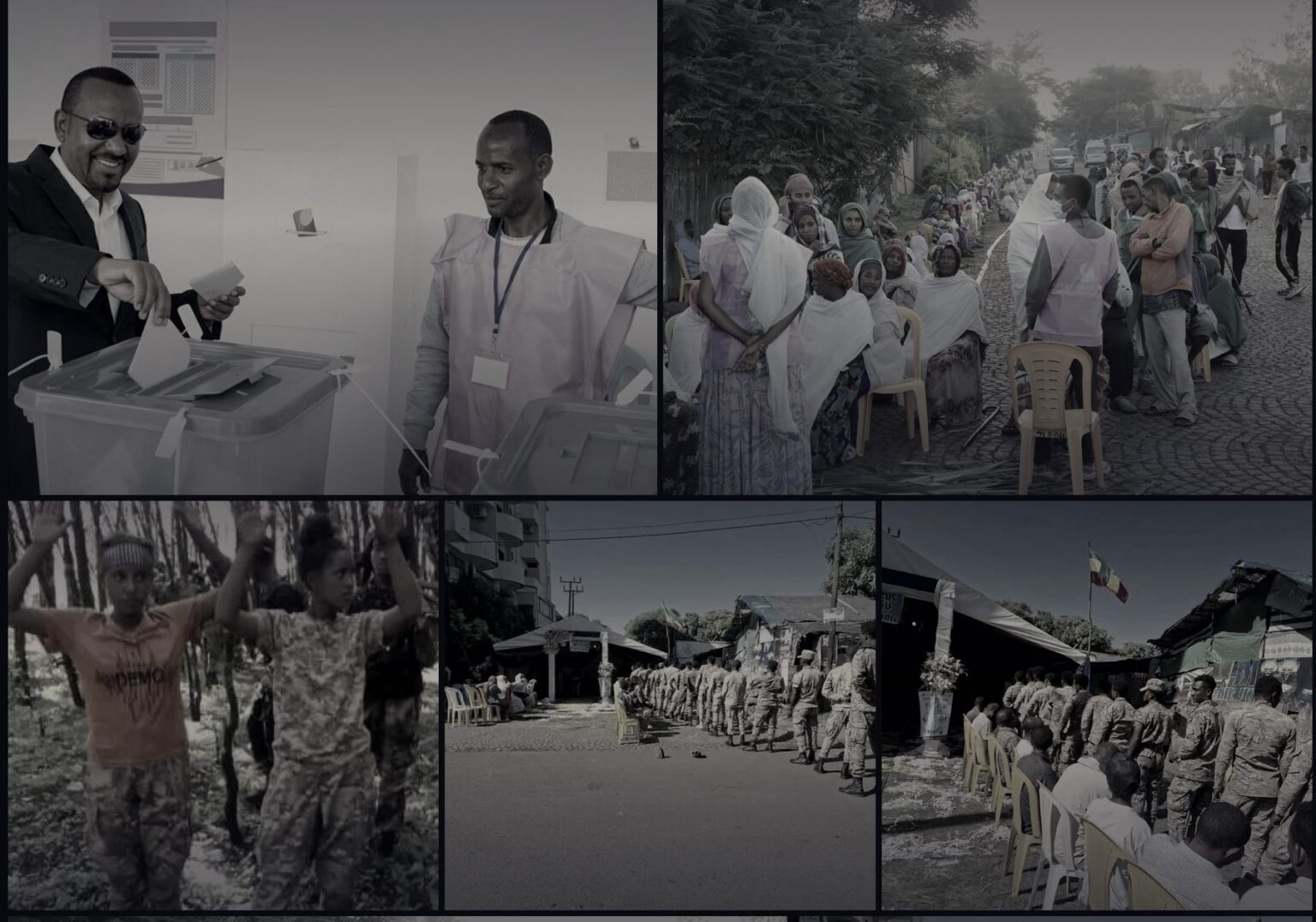
The two Horn of Africa neighbors shared a brief but significant period of rapprochement beginning in 2018, when Ethiopian Prime Minister Abiy Ahmed accepted a long-disputed border ruling and moved to normalize ties with Eritrea, a move that earned him the Nobel Peace Prize. Eritrea subsequently fought alongside Ethiopian federal forces during the 2020–2022 Tigray conflict.
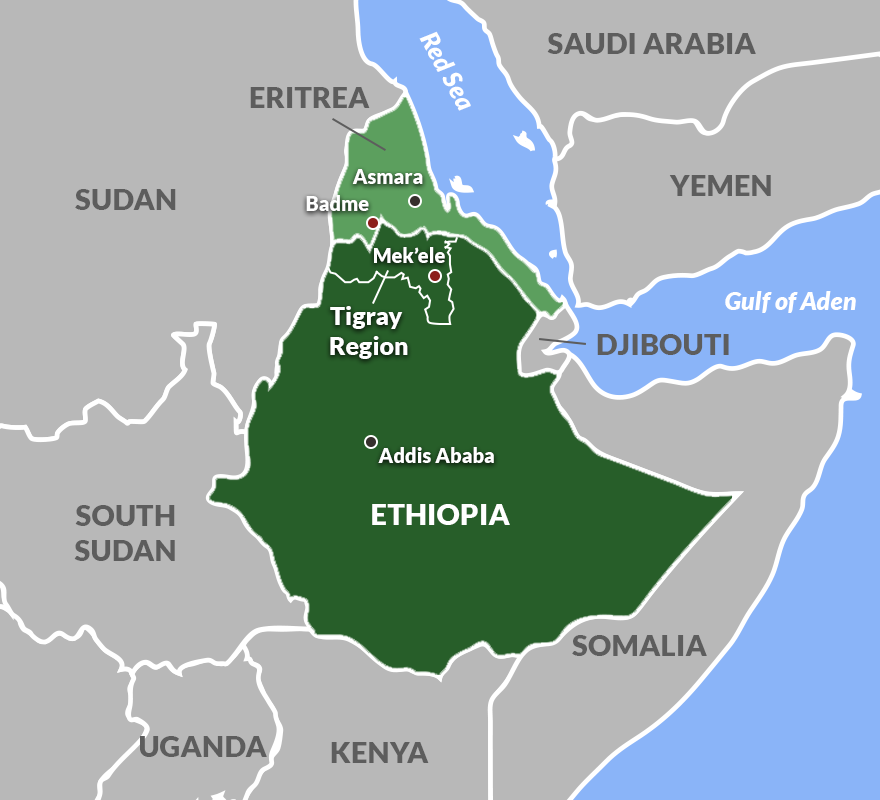
However, relations have steadily unraveled since the signing of the Pretoria Agreement, which formally ended the Tigray war. Eritrea is reported to be dissatisfied with the outcome of that conflict, and tensions have been compounded by Ethiopia’s renewed pursuit of sovereign sea access, including the possibility of utilizing Eritrea’s Red Sea port of Assab, a development that Asmara views as a potential threat to its sovereignty.
Ethiopia has further accused Eritrea of supporting the Amhara Fano insurgency, maintaining unauthorized troop presence inside Ethiopian territory, and coordinating with Tigrayan political actors. These allegations have been formally communicated to the United Nations.
Proxy Networks and Regional Spillover
Professor Tronvoll cautioned that any renewed armed conflict would not remain contained between the two countries. He warned that a network of proxy forces aligned with both sides would almost certainly be drawn into the fighting, dramatically expanding its geographic and humanitarian footprint.
Broader regional dynamics add further complexity to the picture. The ongoing civil war in Sudan, competing alliances involving Egypt, and alleged links between regional actors and Sudan’s Rapid Support Forces all risk deepening the crisis and pulling additional parties into the orbit of any new conflict.
Early Warning Signs Already Emerging
Several major international outlets and research bodies have already flagged the deteriorating situation. The Economist reported in early February that clashes had broken out on January 29 between Ethiopian federal forces and troops loyal to the Tigray People’s Liberation Front (TPLF), prompting a temporary suspension of flights to and from the Tigray region. Drone strikes were subsequently reported deep inside central Tigray. While the immediate flashpoint appeared to ease within days, with flights resuming on February 3, analysts warned the underlying conditions for renewed war remain firmly in place.
Prime Minister Abiy Ahmed, in a parliamentary address on February 3, referred to the TPLF as “traitors” seeking to dismantle Ethiopia, while a TPLF official described the Ethiopian National Defense Force as mobilizing in full force.
The International Crisis Group echoed these concerns in a February analysis, noting that internal divisions within Tigray, particularly the rivalry between factions loyal to Debretsion Gebremichael and those aligned with former interim leader Getachew Reda, have further complicated efforts to stabilize the region. The group acknowledged that economic strain, military fatigue, and internal political divisions may slow the path to immediate escalation, but warned that unresolved territorial disputes and continued proxy alignments could rapidly destabilize the Horn of Africa.
Calls for Diplomatic Intervention
Professor Tronvoll urged regional and international actors to step up diplomatic efforts before the situation deteriorates further. Recommended steps include pressing Eritrea to cease interference in Ethiopia’s internal affairs, facilitating negotiations over the future use of the Assab port, and encouraging both governments to de-escalate military posturing along their shared border.
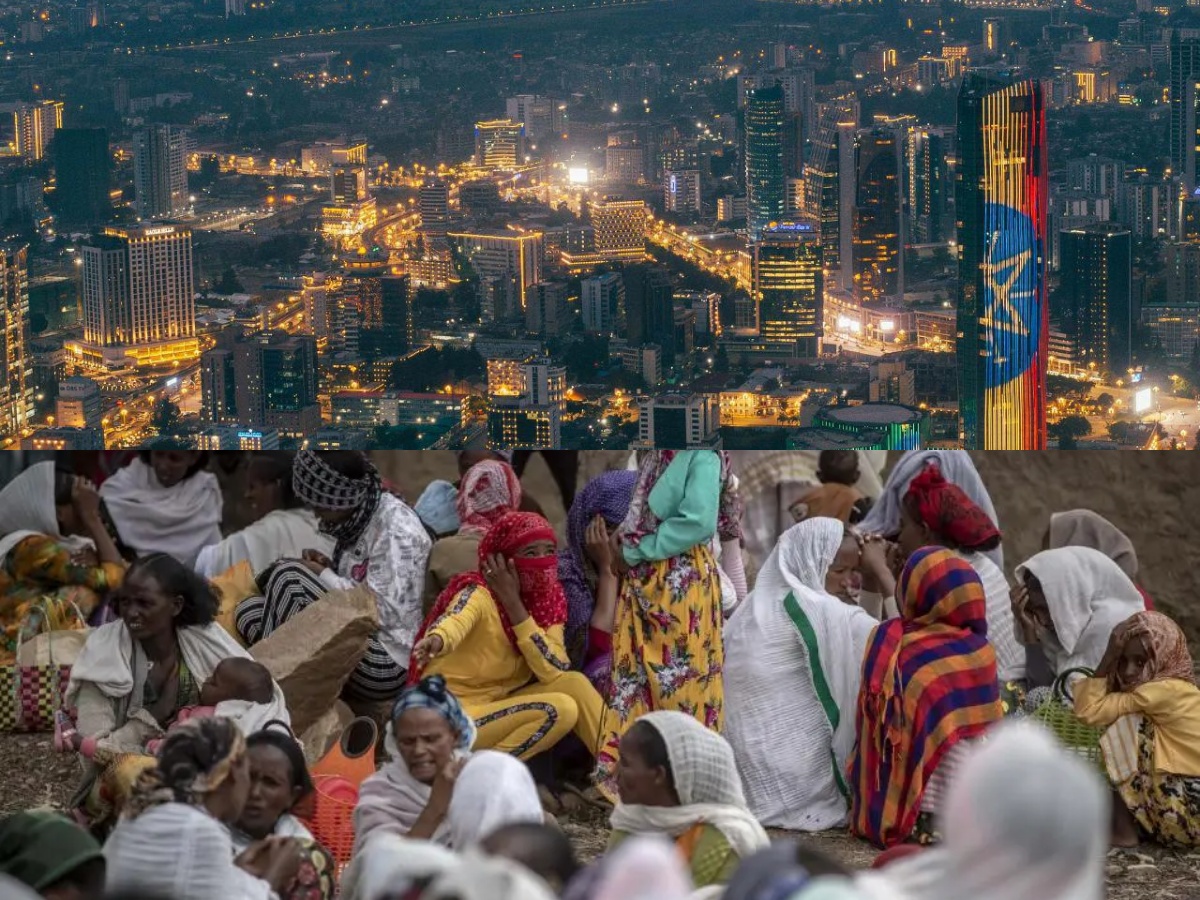
Deutsche Welle also reported in early February that diplomats were calling for restraint amid confirmed reports of troop buildups along the borders with Tigray and Eritrea, with civilians already bearing the weight of political fractures across the region.
This article draws on reporting by Anadolu Agency, The Economist, International Crisis Group, Deutsche Welle, and Addis Standard.