A heartbroken father in Addis Ababa is speaking out after his teenage daughter was dragged from their home by Ethiopian security forces, arrested, he says, simply for playing Teddy Afro’s newly released music with friends. Days later, he turned on the television to find her face broadcast on state media, labeled a terrorism suspect allegedly linked to Al-Shabaab and ISIS.
The father, who chose to remain anonymous out of fear for his daughter’s safety, told Meseret Media that security forces forcibly entered their home and took his daughter and her friends without warning. At the time of the arrest, the group had been gathered in their compound listening to the new music by Teddy Afro, known formally as Tewodros Kassahun, at high volume. When the father demanded an explanation from the officers, he was told they were only being taken in for questioning and would soon return.
That promise did not hold.
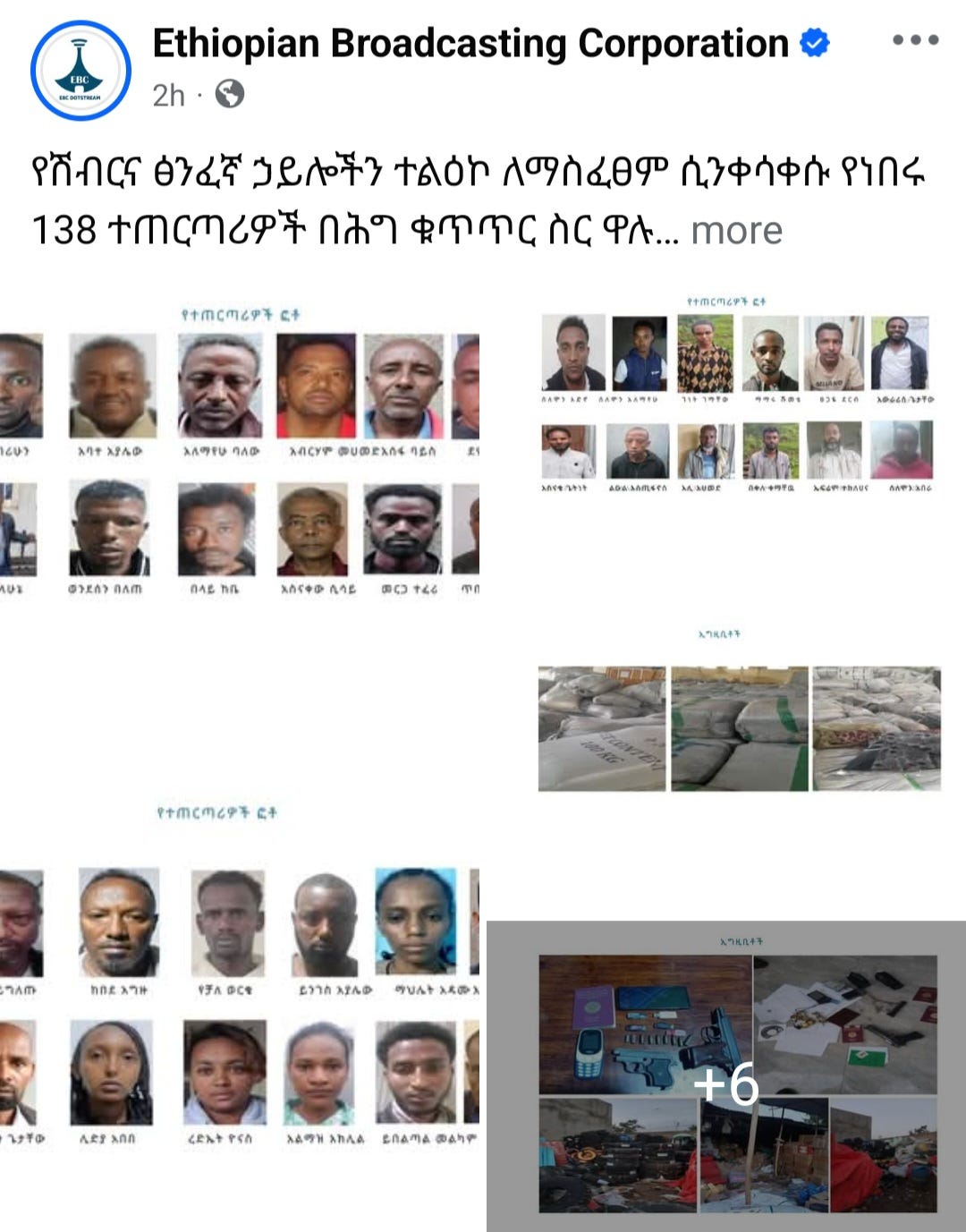
When the father later visited the Federal Police to check on his daughter, she relayed to him the charges being leveled against her: that she had used the music to incite rebellion and disrupt the upcoming national election. Upon returning home, the father was confronted with a deeply disturbing sight — his daughter’s photograph had appeared on state-owned media as part of a list of individuals accused of conspiring with Al-Shabaab and the Islamic State to carry out acts of terror in the capital.
Her friends’ photographs, he added, were displayed alongside images of individuals accused of illegally transporting weapons.
“She Has Never Even Spent a Night Away From Home”
The father’s anguish was palpable as he pushed back against the accusations. His daughter, he explained, is a 12th-grade student who has never stayed out overnight, rarely ventures far from home, and barely knows her own neighbors, let alone any extremist organization.
“If the song is truly banned, then question her about the song,” he said bitterly. “But how can they connect a young teenage girl to terrorism?”
His concern extends well beyond her immediate detention. Even if she is released without charge, he said, her name and photograph have already been broadcast nationally under the label of terrorism suspect. The damage, in his view, may be irreversible. How, he asked, will she be able to return to school and continue her education after this?
Hundreds of Families Left Searching in the Dark
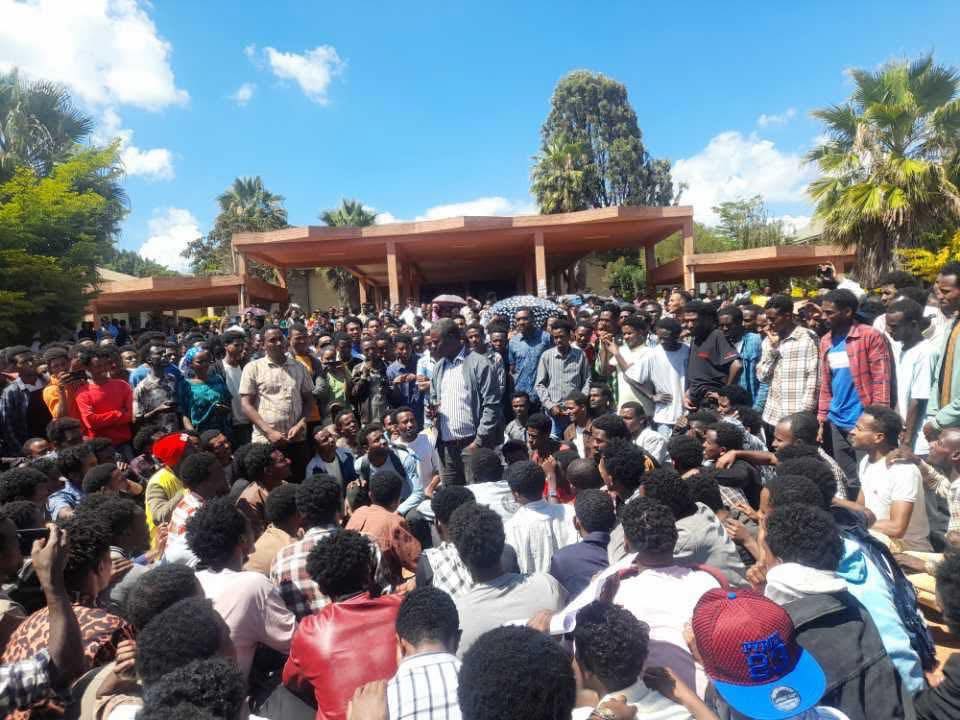
The father’s story is far from isolated. Hundreds of families were seen forming long lines outside the city’s third police division and the Federal Police Criminal Investigation office, desperately seeking information about detained relatives. Many others spent hours moving between police stations across different districts of the city, weeping, with no information about where their loved ones were being held.
Later that evening, security authorities announced they had detained 138 individuals during a single operation conducted on April 17, 2026, framing the arrests as a counter-terrorism sweep. Observers and commentators who spoke to Meseret Media questioned the credibility of this framing, noting that presenting 138 supposed terrorism suspects as having been found gathered in one location at the same time stretches plausibility significantly.
Several analysts added that the official government statement appeared deliberately timed and worded to counter Meseret Media’s earlier reporting that the detainees had been arrested for nothing more than listening to Teddy Afro’s new music.
The broader crackdown has sent shockwaves through Ethiopian society, raising urgent questions about civil liberties, the limits of state power, and what it means when gathering to listen to a song can land a 12th-grade student on a terrorism watch list.
Source: Meseret Media (መሠረት ሚዲያ), April 2026