A new five-year study reveals that global news outlets have narrowed their lens on a much broader crisis.
When violence erupts in a country, billions of people turn to international broadcasters and outlets to make sense of what is happening. Yet a major new study suggests that the picture being painted of Ethiopia’s ongoing turmoil is dangerously incomplete.
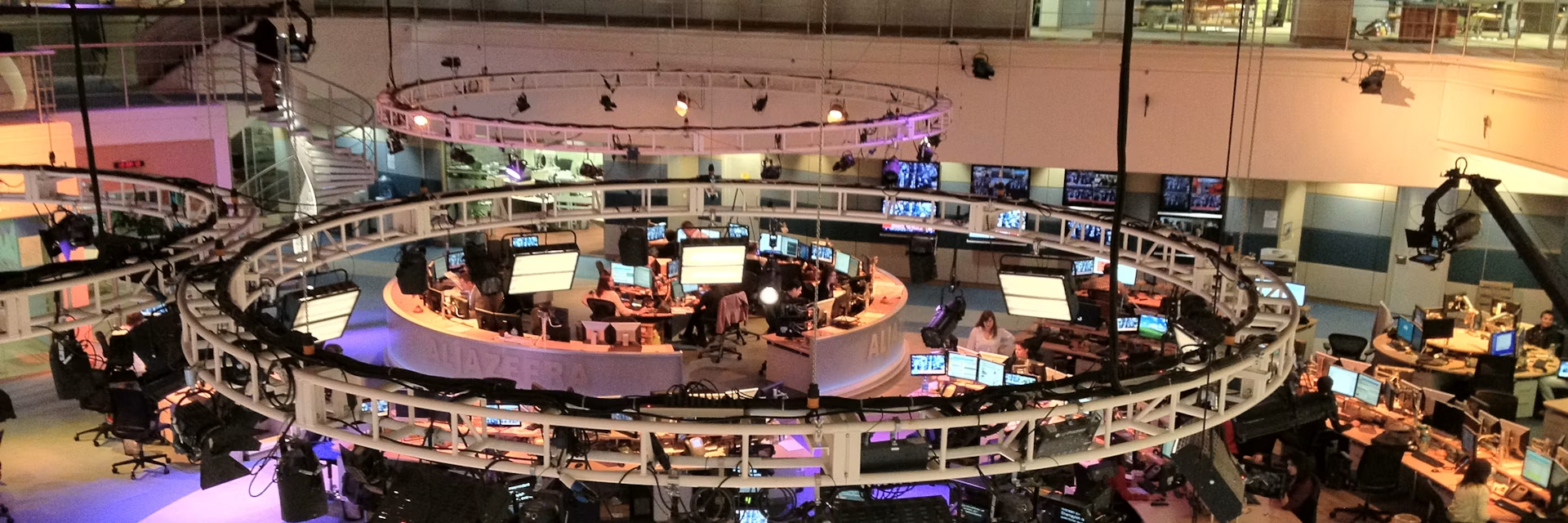
Researchers from a team of media scholars spent five years, from January 2020 to March 2025, examining how four of the world’s most influential news organisations covered conflict in Ethiopia. The outlets studied were the BBC (United Kingdom), CNN (United States), Al Jazeera (Qatar), and CGTN (China). In total, 1,412 stories were collected, with 240 articles selected for detailed analysis.
Their conclusion is striking: international media has overwhelmingly reduced Ethiopia’s layered, multi-front conflicts into a single story.
One War, Many Shadows
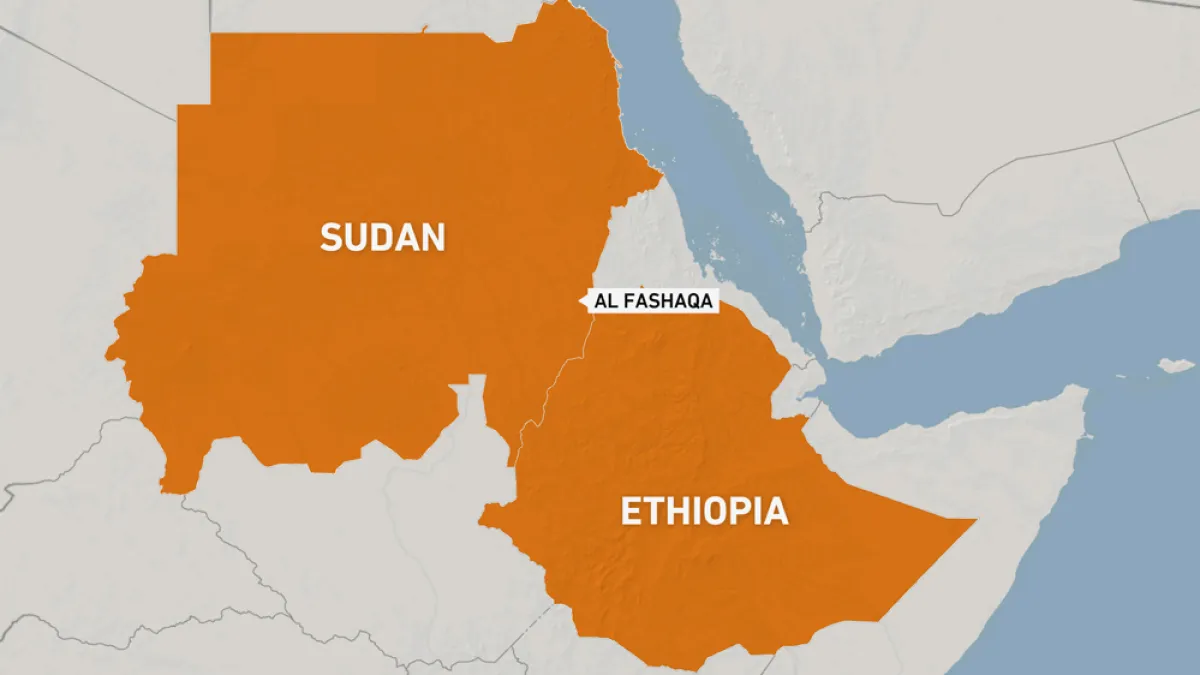
Ethiopia has been gripped by several simultaneous conflicts since 2020. The war between the Ethiopian federal government and the Tigray People’s Liberation Front, which erupted in November of that year, was devastating in scale, marked by mass civilian displacement, famine conditions, and an estimated 800,000 deaths.
But alongside Tigray, serious violence has also unfolded in the Amhara and Oromia regions, with equally grave consequences for civilians and long-term regional stability.
Despite this, the study found that nearly 77% of all analysed stories focused exclusively on the Tigray conflict. Coverage of the Amhara region accounted for just 2.7% of stories, while Oromia registered a mere 0.4%. The suffering in these regions, the researchers note, was not absent on the ground; it simply went largely unreported.
Reporting Without Roots
Beyond the imbalance in geographic focus, the study identified a persistent lack of historical and political context. Roughly two-thirds of the stories reviewed were described as “episodic”, meaning they covered immediate events such as military clashes or political statements without providing the deeper background necessary to understand why the conflicts exist.
Critical issues such as governance disputes, the structure of Ethiopia’s federalist system, ethnic identity, and historical power struggles rarely made it into the coverage in any meaningful way.
Additionally, sourcing was found to be heavily skewed. Voices critical of the Ethiopian government were cited far more frequently than those offering alternative viewpoints, raising questions about whether the full complexity of the situation was being fairly represented.
Why It Matters Beyond Ethiopia
The stakes of incomplete coverage extend well beyond news headlines. International media reporting plays a direct role in shaping the priorities of policymakers, humanitarian agencies, and global institutions. The Tigray conflict alone was raised more than ten times at the United Nations Security Council, a reflection of how media visibility can translate into political and humanitarian action.
Conflicts that fall below the radar of global newsrooms risk being deprioritised when it comes to aid, diplomacy, and international pressure. Ethiopia, as a key regional power in the Horn of Africa, sits at the centre of interconnected security and stability concerns that affect the entire region.
What Should Change
The researchers put forward three key recommendations:
- Broaden the scope of reporting. International outlets should actively work to cover underreported conflicts, not at the expense of major stories, but in addition to them.
- Invest in context. Audiences deserve to understand not just what is happening, but why. Historical and political background should be a standard feature of conflict reporting, not an afterthought.
- Encourage critical news consumption. Readers and viewers should recognise that media coverage is inherently selective. Seeking out multiple sources and perspectives is essential to building a fuller picture of any complex situation.
As one of the most geopolitically significant countries in Africa, Ethiopia’s crises deserve coverage that reflects their true scale and complexity. Until that changes, global understanding and global response will remain partial at best.
Source: “Global media networks simplify Ethiopia’s conflicts: insights from 5 years of data,” published on The Conversation, May 24, 2026.