Ethiopia’s national human rights body has concluded that the Oromo Liberation Army (OLA), designated by the government as “Shene” bears responsibility for a series of violent incidents that erupted in Aseko woreda, East Arsi Zone of the Oromia Region, between May 30 and June 1, 2026. The Ethiopian Human Rights Commission (EHRC) reached its findings after conducting a preliminary inquiry that included site visits and direct interviews with survivors, eyewitnesses, and bereaved family members.
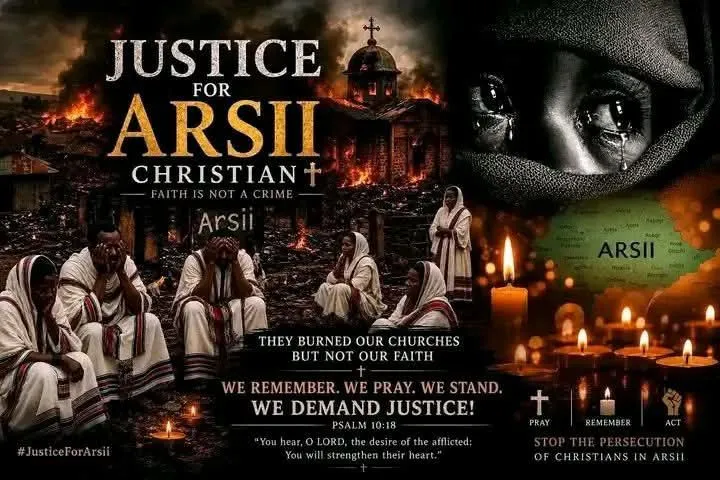
According to the Commission, armed activity was first detected in Deleta Chafa kebele on May 29, prompting local militia and Oromia Anti-Guerrilla Police to mobilize. Subsequent confrontations between security forces and the armed group preceded direct attacks on civilian targets. Three civilians lost their lives in the violence, identified as Haylu Nigussie, Semu Abayneh, and a Muslim man named Bato Sefeno, who was reportedly tending cattle when he was killed. The attacks also resulted in the displacement of more than 2,650 residents, while Teleta St. Gabriel Church was burned to the ground and the perimeter wall of Biyo Butule Sheikh Mustafa Mosque was damaged. The local health center, private homes, and commercial establishments were also ransacked and looted.
The OLA has firmly rejected any connection to the bloodshed. In a public statement dated June 4, the group accused federal and Oromia regional officials of deliberately stirring communal tensions ahead of recent elections, alleging that government actors had “systematically fomented division” and actively fueled unrest. OLA spokesperson Jirenya Ayana reiterated the denial in remarks to BBC Afaan Oromo, asserting that the group played no part in what occurred in Aseko. Despite these denials, the EHRC stated that evidence gathered during its field investigation points to the OLA’s involvement, and that a more thorough report is forthcoming.
The scale of the humanitarian toll appears to exceed what the Commission has so far confirmed. Archbishop Abune Elisas of the Arsi and Somali Region Jijiga Dioceses reported that at least 13 Orthodox Christian civilians had been killed since May 31 across Aseko, Shirka, and Honqolo Wabe woredas. Eyewitnesses told journalists that residents sought help from local police and the woreda administration before the situation worsened, but were informed that security deployment was pending, forces that allegedly never arrived while attacks continued.
The violence has prompted condemnation from the highest levels of the Ethiopian Orthodox Church. Patriarch Abune Mathias I appealed to all tiers of government to stop the recurrent attacks and bring those responsible to account, describing the situation across several East Arsi woredas as a serious affront to both human life and religious freedom. On June 5, a church delegation held discussions with senior federal and regional officials, including Minister of Peace Mohamed Idris, urging stronger protection for affected communities.
EHRC Chief Commissioner Birhanu Adelo extended condolences to the victims’ families and stressed that attacks on civilians constitute grave human rights violations. The Commission called on the government to deploy adequate security personnel, protect residents’ rights to life and property, establish accountability mechanisms, enable humanitarian access, and facilitate conditions for the safe return of displaced people. It also cautioned all parties against making inflammatory statements before a full factual account is established, warning that premature blame could deepen communal divisions.
Source: Addis Standard, June 8, 2026 — addisstandard.com