Ethiopia is preparing for parliamentary elections on June 1, 2026, but widespread conflict, restricted press freedom, and opposition concerns are casting doubt on whether the vote will reflect genuine democratic competition.
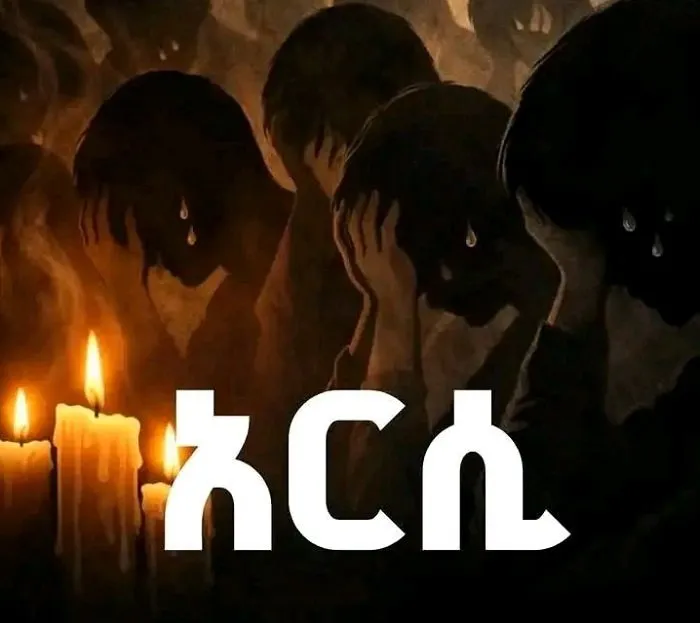
Ethiopia’s electoral authority announced that voting will not proceed in 46 electoral districts across the Amhara and Tigray regions. Eight districts in Amhara have been excluded due to ongoing clashes between militia forces and the national army, while 38 districts in Tigray remain off the ballot amid continued friction between the federal government and the Tigray People’s Liberation Front (TPLF). The conflict in Tigray, which lasted from 2020 to 2022, resulted in an estimated 600,000 deaths. Although a peace agreement was signed in 2022, the political situation has remained deeply unstable. The TPLF was banned as a political party in 2025, yet its leadership has moved to reassert authority by reconvening a regional parliament, a move analysts say could reignite hostilities.
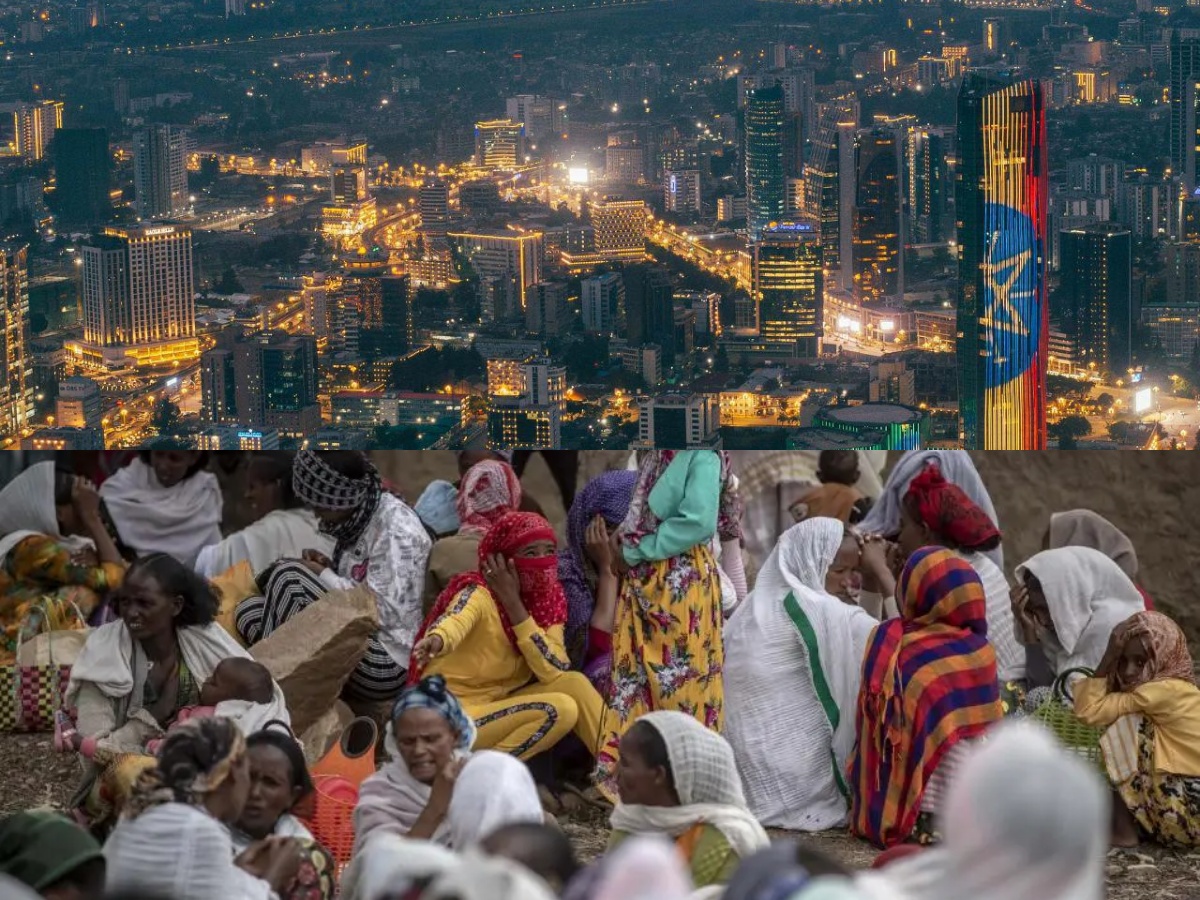
Many Ethiopians heading to the polls say their primary concerns are economic, not political. Inflation, unemployment, and the emigration of young people seeking opportunities abroad are among the most pressing issues for voters in the capital, Addis Ababa. While some citizens express cautious hope that the election will bring stability and improved conditions, others remain skeptical that the outcome will change much in their daily lives.
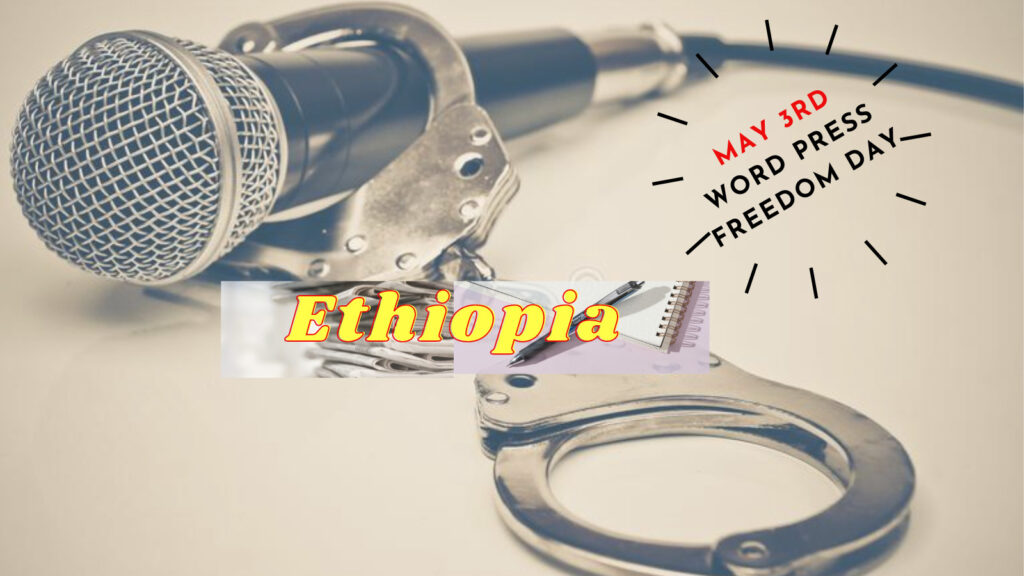
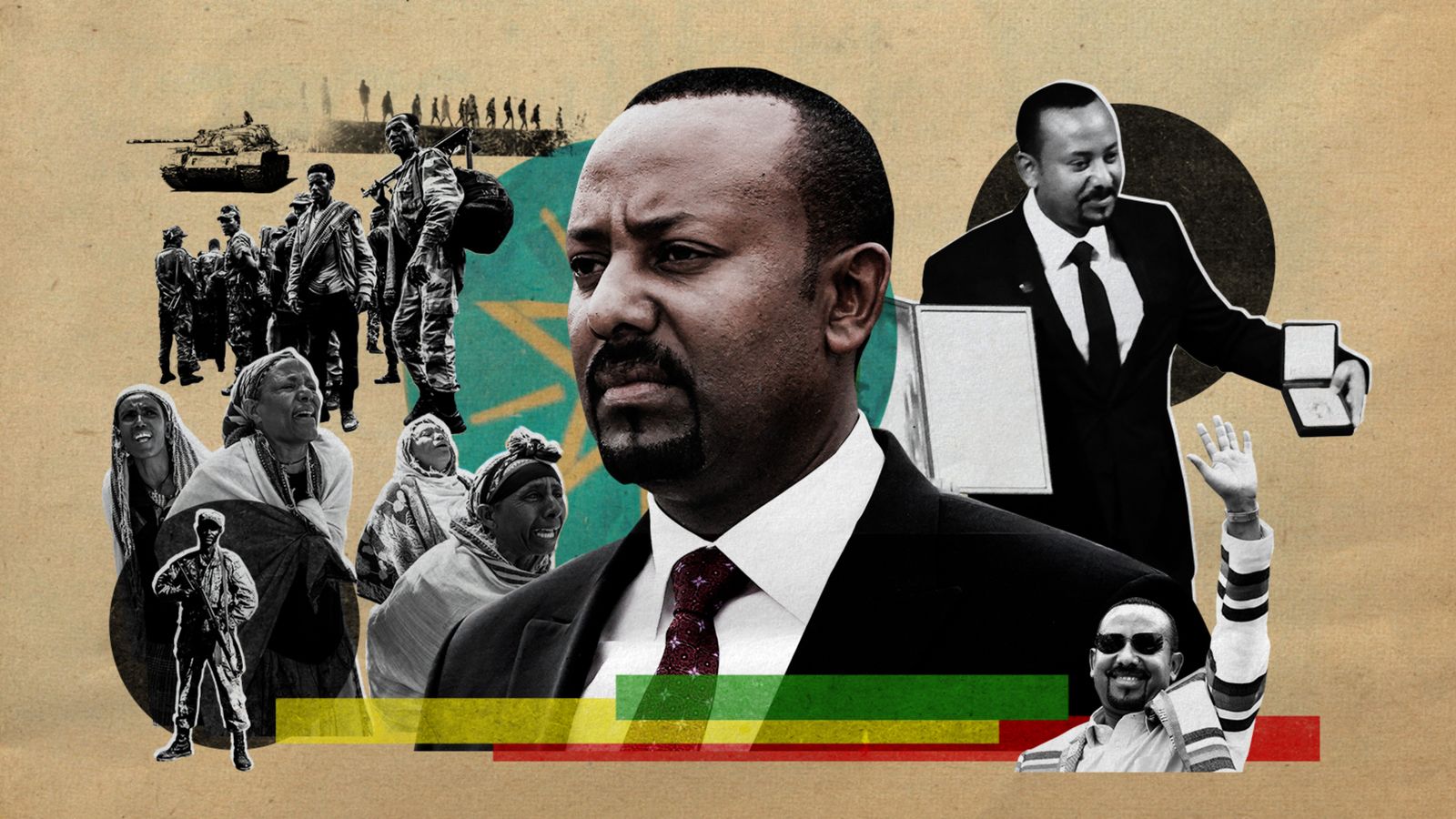
A coalition of opposition parties, the Coalition for the Unity of Ethiopia (CEU), has called for the release of political prisoners, an end to ongoing armed conflicts, and broader political freedoms as preconditions for meaningful participation in the electoral process. International observers and analysts share similar reservations, noting that Prime Minister Abiy Ahmed’s ruling Prosperity Party currently holds approximately 83% of parliamentary seats and is projected to secure a landslide victory once again. Analysts describe the process as one designed to confer electoral legitimacy on the government rather than enable a genuine challenge to power. Concerns about media freedom have also surfaced, with two journalists having their press credentials permanently revoked by authorities ahead of the vote.
What Comes Next
Beyond Ethiopia’s borders, analysts are watching a broader web of tensions. Prime Minister Abiy’s push for access to the Red Sea has increased friction with neighboring Eritrea, while Ethiopia’s close ties with the United Arab Emirates raise concerns given the UAE’s alleged role in arming a paramilitary faction in Sudan’s civil war. Despite the government’s official narrative of stability and progress, independent analysts warn that the post-election environment could be just as volatile. Whether the June 1 vote marks a step toward peace or deepens existing divisions remains an open question.
Source: DW (Deutsche Welle) — Original reporting by Martina Schwikowski, with contributions from Seyoum Getu Hailu (Addis Ababa) and Kathy Short. Published May 28, 2026.